Colombian Fishers Turn Shark Hunters Into Conservationists
Indigenous Wayuu fishers in Colombia are partnering with marine biologists to protect the sharks they once hunted. The community is documenting shark populations and adopting sustainable fishing practices while exploring tourism as an alternative income.
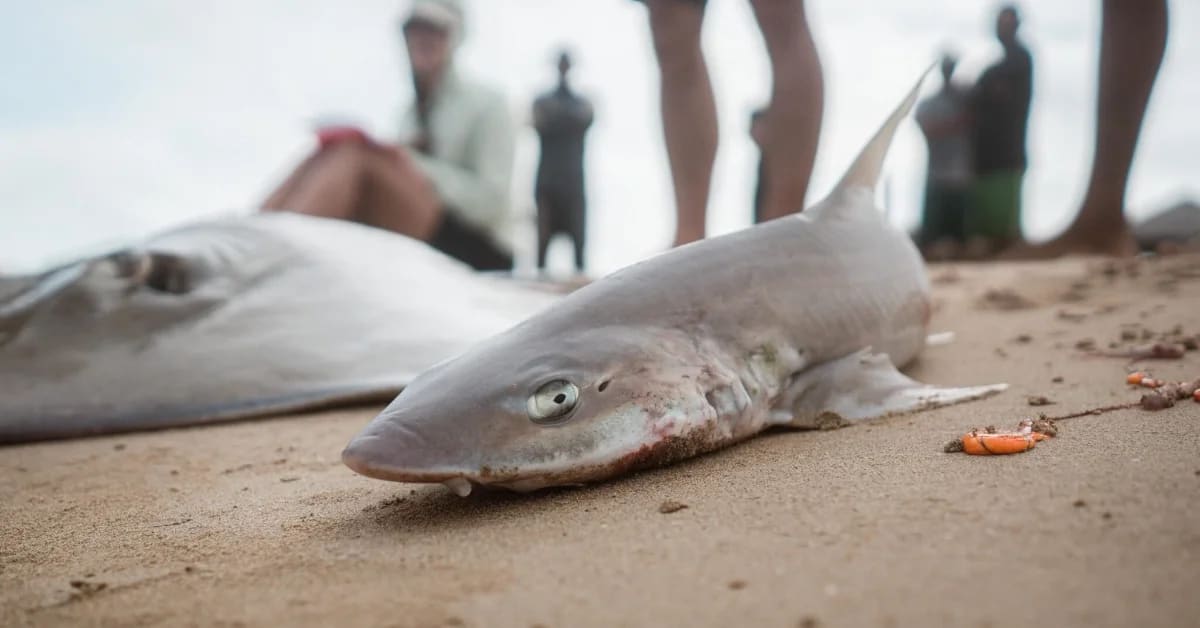
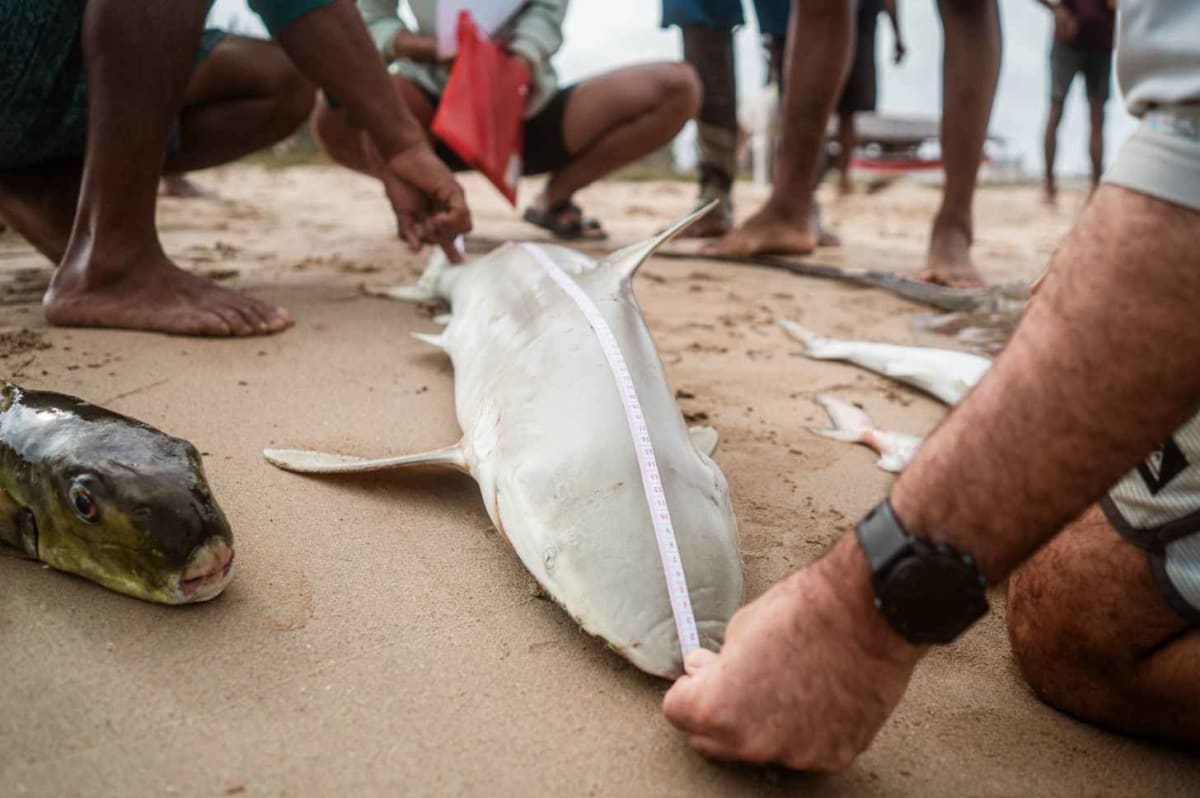
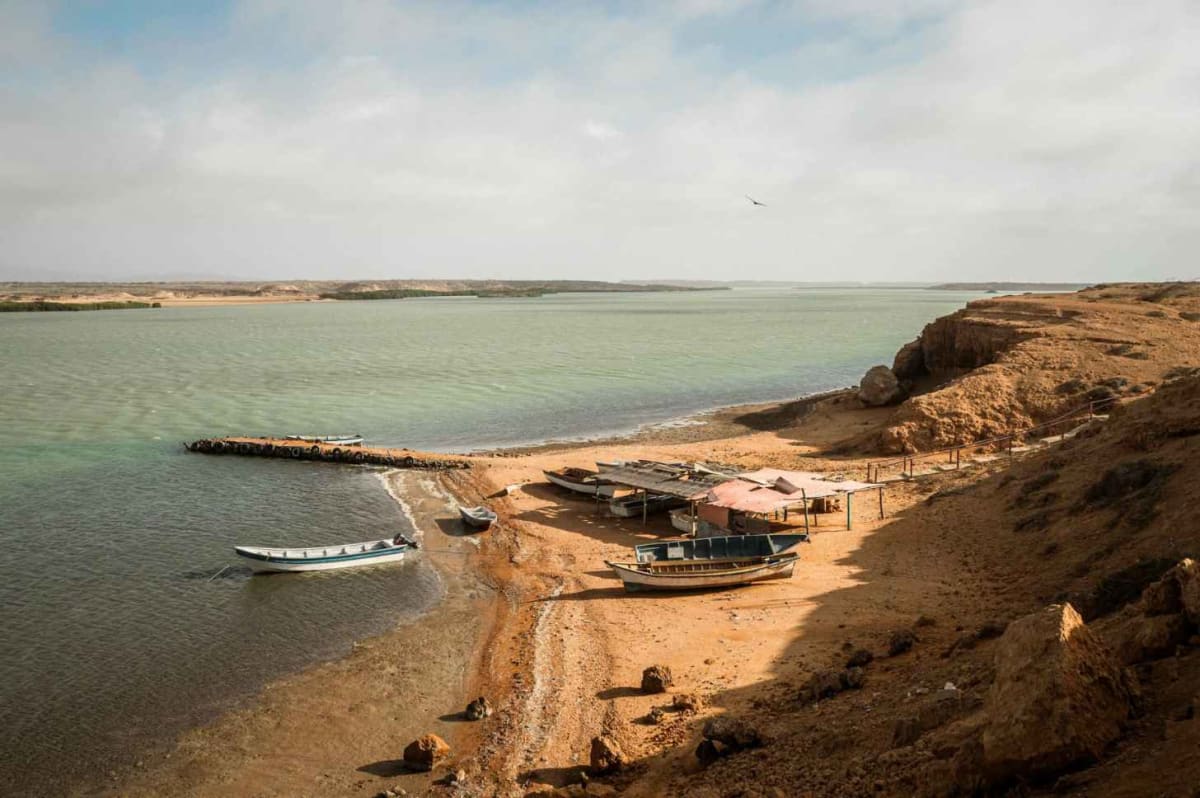
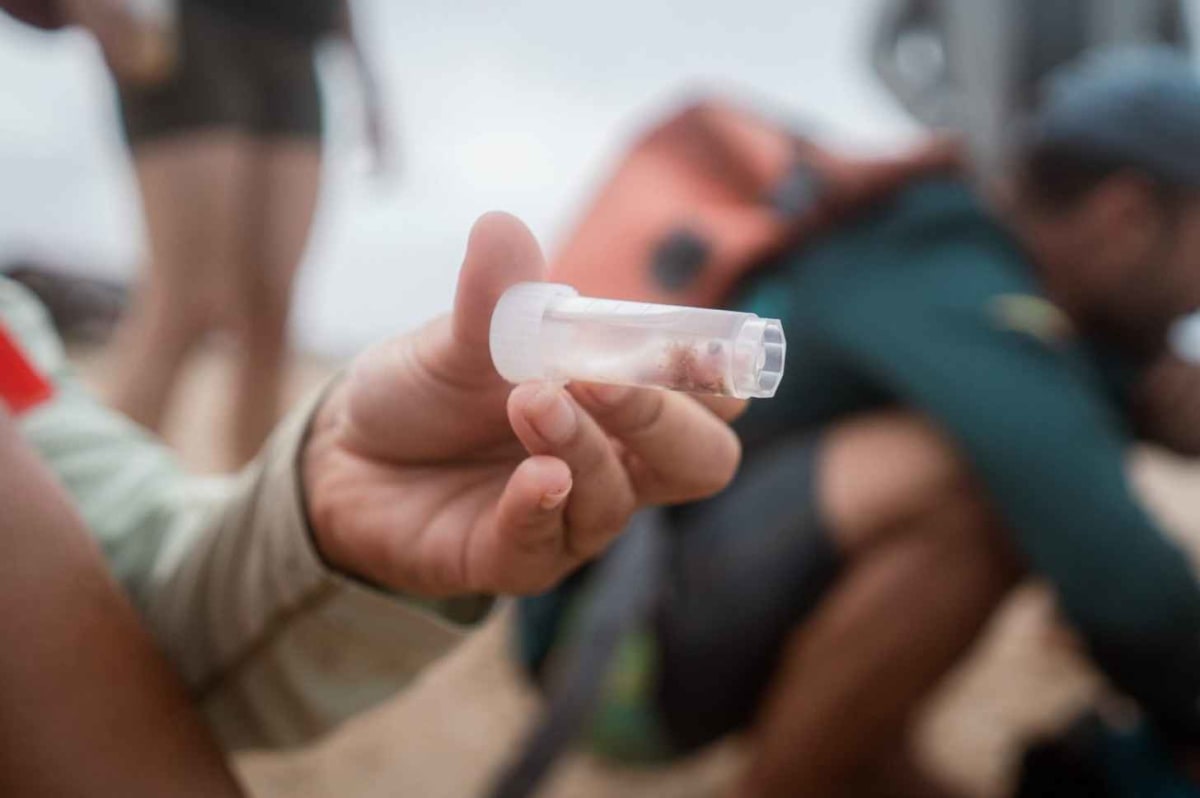
At the northern tip of South America, Indigenous fishers are transforming from shark hunters into their protectors. Wilfrido Arends, a 46-year-old Wayuu fisher in Colombia's remote La Guajira region, now carefully collects fin samples and measurements from caught sharks, helping scientists understand species that have rarely been studied.
Arends grew up fishing sharks alongside his grandparents, participating in a once-thriving trade that supplied meat and fins to buyers. Today, he leads research efforts with Proyecto Puyuii, a Colombian shark conservation initiative that's documenting shark diversity in these largely unstudied waters.
"If we wipe out our sharks, I think that further down the line we will miss them," says Arends, known locally as "Caracas." His transformation reflects a broader shift in Punta Gallinas, where about 50 Wayuu families live in one of Colombia's most food-insecure regions.
Colombia banned shark and ray fishing in 2021, but shark meat remains a vital protein source for remote coastal communities. Marine biologist Diego Cardeñosa from Florida International University has been training Wayuu fishers to record the shark species they catch, filling a critical knowledge gap.
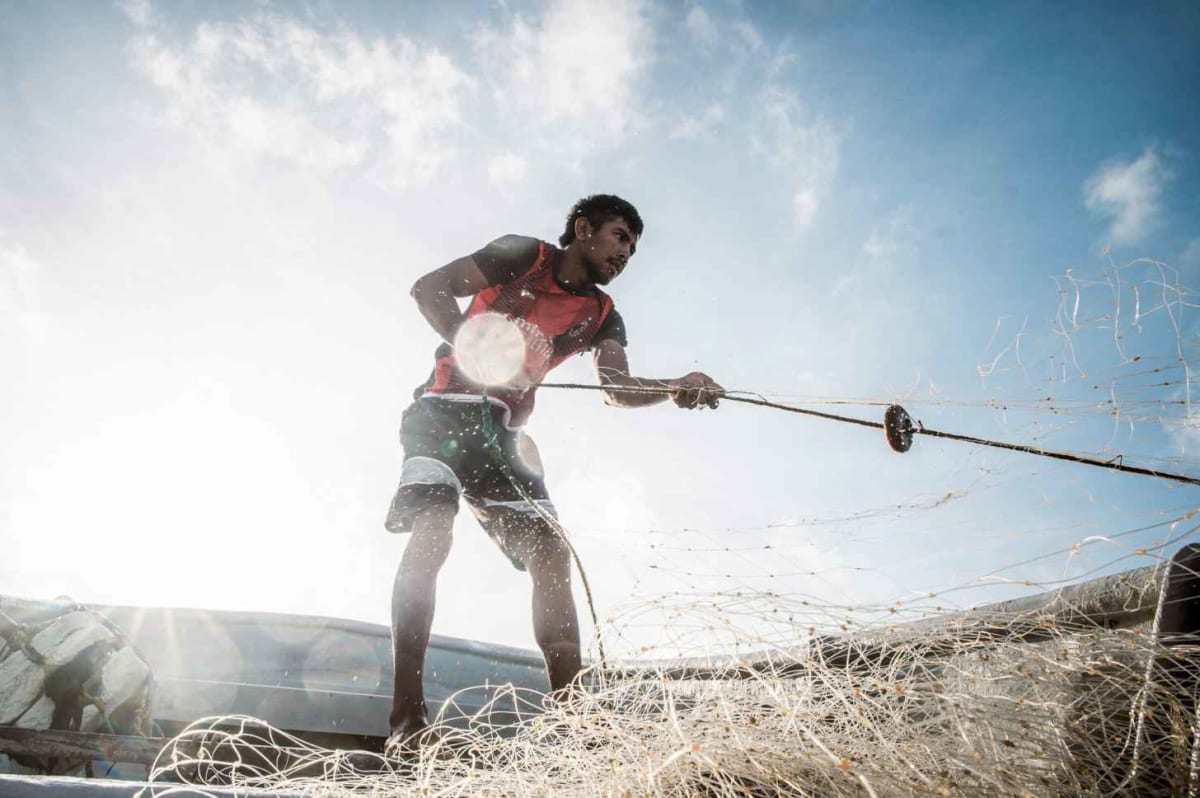
The project doesn't demand that fishers stop eating sharks entirely. Instead, it encourages sustainable practices like using larger-mesh nets, safely releasing juvenile sharks, and avoiding longlines that target sharks in deeper waters.
The Ripple Effect
The initiative represents a new model where traditional communities become scientific partners rather than being excluded from conservation efforts. By involving local fishers as researchers, the project gains invaluable knowledge about shark populations while respecting cultural practices that have sustained communities for generations.
Co-founder Felipe González envisions sustainable tourism as an economic alternative. "If the fisher earns more showing it than killing it, there's the solution," he says. The question becomes: how do you make sharks worth more alive than dead?
Arends has already changed his methods. He's abandoned the specialized longlines he once used for shark hunting and now fishes primarily with nets that reduce shark bycatch. His 22-year-old son, nicknamed "Little Caracas," is learning these new sustainable techniques.
The transformation isn't easy in a region where food security remains precarious. Many fishers acknowledge they'll need compensation before they can afford to stop catching sharks entirely. But the seeds of change are taking root.
Where shark fins once flowed freely to Venezuelan buyers, Punta Gallinas fishers now limit consumption to what feeds their families and supplies local restaurants. The commercial trade that Arends remembers from his youth has disappeared from the community.
This partnership between Indigenous knowledge and scientific research offers hope for both sharks and the people who depend on them.
More Images
Based on reporting by Good Good Good
This story was written by BrightWire based on verified news reports.
Spread the positivity!
Share this good news with someone who needs it