Colorado College Saves $15M With Geothermal Network
A Colorado university cut its heating and cooling costs in half using underground pipes that tap Earth's constant temperature. The savings have funded lower tuition and more scholarships for students.
Colorado Mesa University has saved over $15 million since 2008 by tapping into the earth's natural warmth, and students are reaping the benefits through lower tuition costs and increased scholarship funding.
The Grand Junction campus drilled hundreds of boreholes 500 feet beneath athletic fields and parking lots to access underground temperatures that stay around 60 degrees year-round. Water circulates through these underground pipes, getting warmed or cooled by the surrounding rock depending on the season.
The system is so efficient that when the university doubled in size, its energy bills barely changed. An account manager at Xcel Energy actually called to express confusion about why energy usage hadn't increased along with the growing campus.
The secret lies in how buildings share energy with each other. Dormitories that need extra heating pull warmth from classroom buildings that need extra cooling. This balancing act means campus buildings use about half as much energy as similar buildings elsewhere.
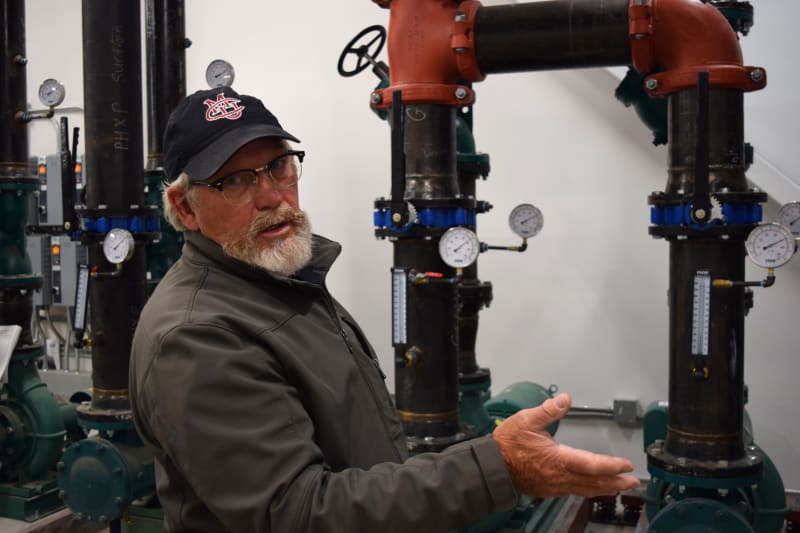
Kent Marsh, vice president of campus operations, said the project started small in 2007 when the university needed to heat and cool just one academic building. Consultant Cary Smith, who spent decades in oil and gas before switching to geothermal, suggested connecting three buildings into a thermal network.
The idea was unconventional at the time, but university leaders decided to take the risk. "We're not sure 100 percent, but yeah, it sounds like it works, it's not mad science, let's do it," Marsh recalled.
The Ripple Effect
Colorado Mesa now operates one of the largest geothermal networks in the nation. The system offers a blueprint for other communities looking to cut fossil fuel dependence without relying solely on wind or solar power.
The university's success caught the attention of its utility provider, which conducted an independent analysis confirming the dramatic energy savings. What started as an experiment to meet state funding requirements has become a model for sustainable campus operations.
Communities across the country are taking notice of Colorado Mesa's approach. As energy costs rise and climate concerns grow, tapping the earth's constant underground temperature offers a reliable way to heat and cool buildings efficiently.
The best part? The university has kept this success story quiet for years, with Marsh admitting they "never really done a good job of tooting our horn." Now other schools and communities can follow their lead and share in the savings.
Based on reporting by Inside Climate News
This story was written by BrightWire based on verified news reports.
Spread the positivity!
Share this good news with someone who needs it