
Colorado Makes Automakers Handle EV Battery Recycling
Colorado just solved a growing problem: what to do with thousands of heavy, valuable EV batteries once they're done powering cars. A new law puts automakers in charge of collecting and recycling them, with strict targets for recovering critical minerals.
Electric vehicles keep rolling onto America's roads, but there's been a huge question mark about what happens when their massive batteries die.
Colorado just answered it with a law that could change how the entire country handles EV battery recycling. Signed in June, the new legislation makes automakers responsible for collecting and processing old EV batteries, and it bans landfills from accepting them starting in July 2029.
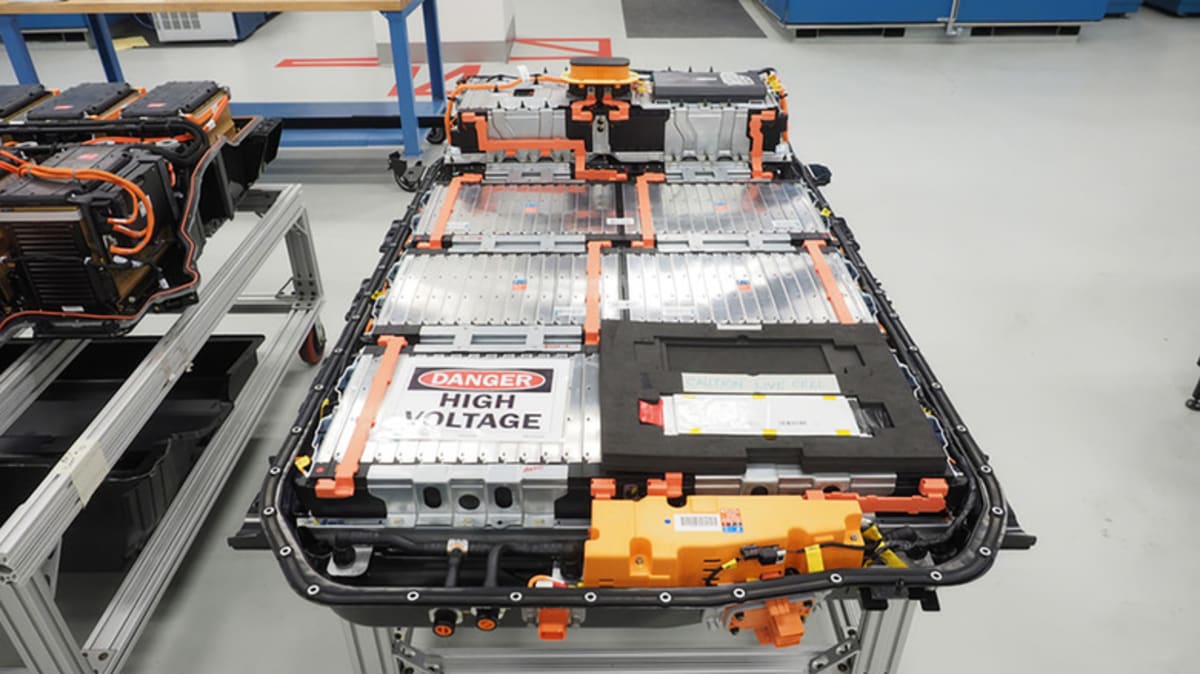
The problem is bigger than most people realize. Used EV batteries can weigh over 1,000 pounds and contain valuable minerals like lithium, nickel and cobalt. But small salvage yards often can't afford the thousands of dollars it costs to ship them to recyclers, leaving the batteries in storage limbo.
"You have got to do something with these batteries," says Norman Wright, who owns Stadium Auto Parts in Commerce City. "If they can't be reused or remanufactured, it ends up here. And what do we do with it?"
Colorado is a natural testing ground for the solution. More than 200,000 EVs already drive the state's roads, and that number keeps climbing despite cheaper gas cars being available.
Under the new law, if an unwanted EV battery ends up at a scrapyard or business, the manufacturer has to make sure it gets properly handled. The approach won bipartisan support from environmental groups, auto recyclers and even the automakers themselves.
But Colorado didn't stop there. The state set specific recycling targets that go further than any other state. By 2031, recyclers must recover at least 90 percent of the cobalt and nickel in EV batteries, plus 50 percent of the lithium. By 2035, that lithium target jumps to 80 percent.
The Ripple Effect
Those recovery rates matter for the planet. Battery production creates the biggest carbon footprint in an electric vehicle's lifetime, requiring enormous amounts of energy, water and mining. Keeping those materials in circulation means less new mining and cleaner supply chains overall.
The International Energy Agency estimates that battery recycling could provide up to 30 percent of the required lithium, nickel and cobalt by 2050. That's millions of tons of materials that won't need to be pulled from the earth.
"Producer responsibility just means that the people making the trash have to take responsibility for recycling it," says Colorado state Senator Lisa Cutter, who co-sponsored the bill. "There's not a magic trash fairy. We have to plan for these things."
The law creates a safety net that didn't exist before: if an EV battery has nowhere else to go, the manufacturer has to deal with it. Other states including New Jersey have passed similar laws, but Colorado's mineral recovery targets set a new standard that could become the blueprint nationwide.
As electric vehicles become America's future, Colorado just made sure their batteries have a future too.
More Images



Based on reporting by Engadget
This story was written by BrightWire based on verified news reports.
Spread the positivity!
Share this good news with someone who needs it


