Colorado Restores 265,000 Acres After Historic Wildfire
After one of Colorado's worst wildfire seasons burned over 265,000 acres, wildlife officials are now spreading 300,000 pounds of seed across scorched land to bring back forests and save animal habitats. The massive recovery effort shows how fast action after disaster can help nature bounce back stronger.
When wildfires tore through Western Colorado last summer, they left behind a moonscape of ash and destruction. Now, an ambitious restoration project is bringing those blackened hills back to life.
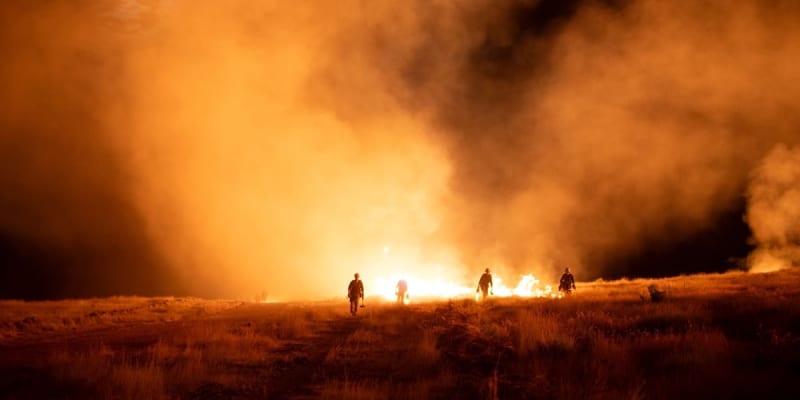
Colorado Parks and Wildlife is leading a massive recovery effort across the 265,000 acres damaged in the 2025 wildfire season. The Lee Fire alone scorched 137,758 acres, making it the fourth-largest wildfire in state history.
This month, crews will spread 300,000 pounds of native seed by helicopter across 24,000 acres of burned land. The effort targets critical winter range for mule deer and habitat for the Greater Sage-Grouse, a vulnerable species that depends on these grasslands for survival.
At Oak Ridge State Wildlife Area, workers have already completed restoration on 860 acres. They improved soil health and planted native species to create diverse plant communities that wildlife needs to thrive. Another 200 acres will get seeded this spring.
The timing matters. Quick action prevents invasive weeds from taking over and stops erosion from washing away topsoil. Getting native plants back in the ground gives the land its best shot at full recovery.
CPW's Habitat Partnership Program is also helping private landowners whose property burned. The program is seeding 1,280 acres of private land through aerial and ground-based methods.
The Ripple Effect
This restoration work reaches far beyond replacing lost vegetation. When native plants return, they create shelter and food for deer, elk, sage grouse, and countless smaller species. Healthy plant communities hold soil in place during rainstorms, protecting downstream water quality for communities that depend on these watersheds.
The recovery also prevents a dangerous cycle. Without quick intervention, invasive weeds colonize burned areas and become fuel for future fires. Native plants break that pattern by creating more fire-resistant landscapes.
Tanya Banulis, a habitat coordinator at the Escalante State Wildlife Area Seed Warehouse, explained the strategy. "We can't restore every acre impacted by wildfire, but having seed on hand and the ability to move quickly helps put thousands of acres on a better trajectory for long-term ecological recovery."
The seed warehouse allows Colorado to respond immediately when disaster strikes. Instead of waiting months to order and receive seeds, restoration teams can start work within weeks of containment.
Officials say restoration efforts will continue for years as they work to reestablish healthy ecosystems across all fire-impacted areas. The scale is enormous, but the commitment matches it.
Based on reporting by Google News - Wildlife Recovery
This story was written by BrightWire based on verified news reports.
Spread the positivity!
Share this good news with someone who needs it