Bengaluru's Lalbagh: 2,150 Species & 250-Year-Old Trees
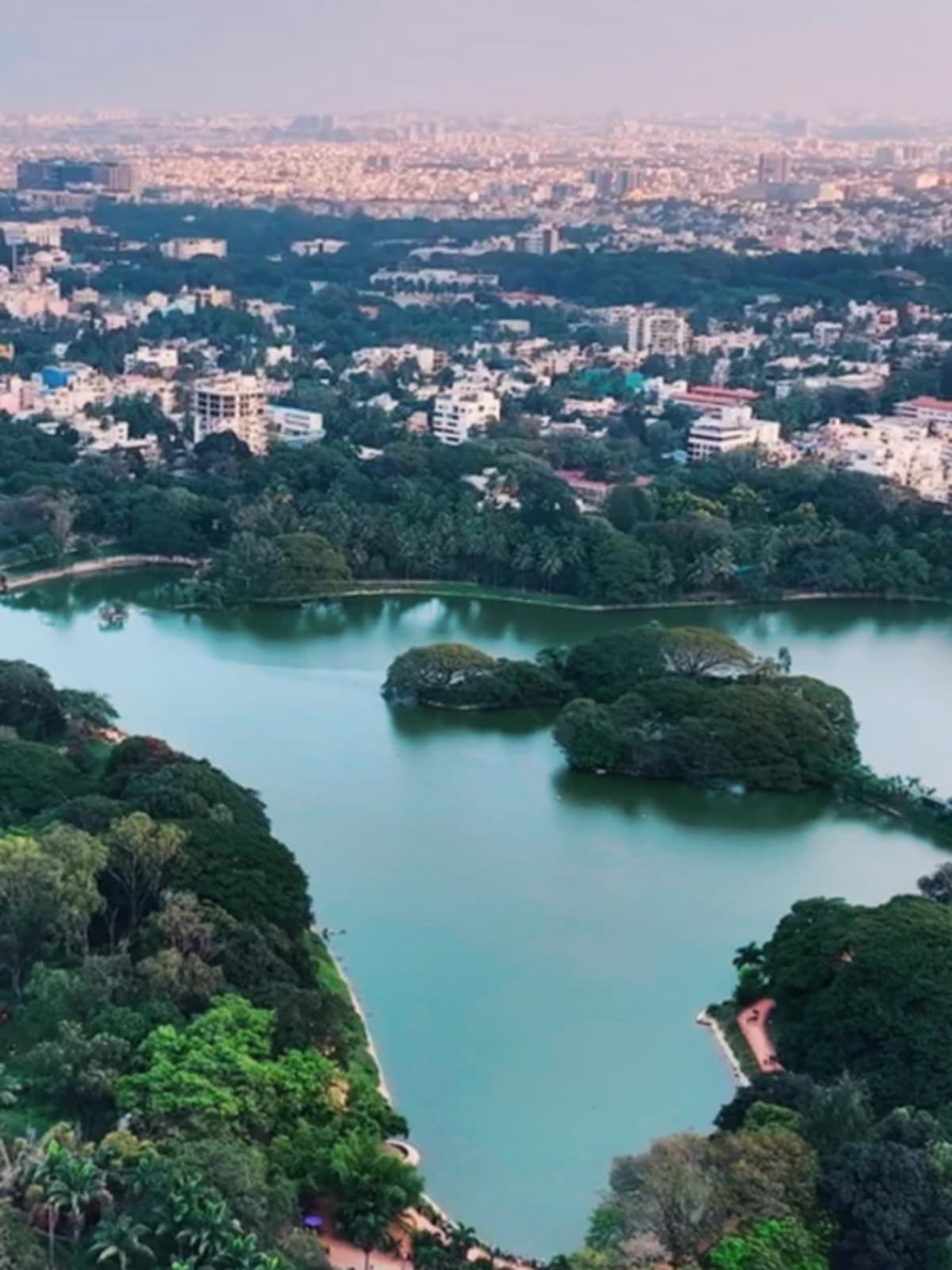
Citizens are fighting to protect Lalbagh, a 240-acre urban oasis in Bengaluru that houses 2,150 plant species, centuries-old trees, and 3-billion-year-old rocks. A proposed tunnel project has sparked debate about preserving irreplaceable green spaces in India's fast-growing cities.
In the heart of Bengaluru, a 240-acre botanical garden holds treasures that took millions of years to create and centuries to grow.
Citizens gathered at Lalbagh on August 30 to voice concerns about a recent law change that allows up to 5% of protected parkland to be used for infrastructure projects. The protest centers on a proposed 17-kilometer tunnel road whose planned route cuts through this historic green space.
The stakes are higher than most people realize. Lalbagh isn't just a pretty park; it's an ecological powerhouse housing 2,150 documented plant species across 140 families, including 63 species found nowhere else and 100 rare or endangered trees.
Some of Lalbagh's residents have witnessed history firsthand. Three mango trees near the Fernery are believed to be around 250 years old, possibly planted during the reign of Hyder Ali and Tipu Sultan in the 1700s.
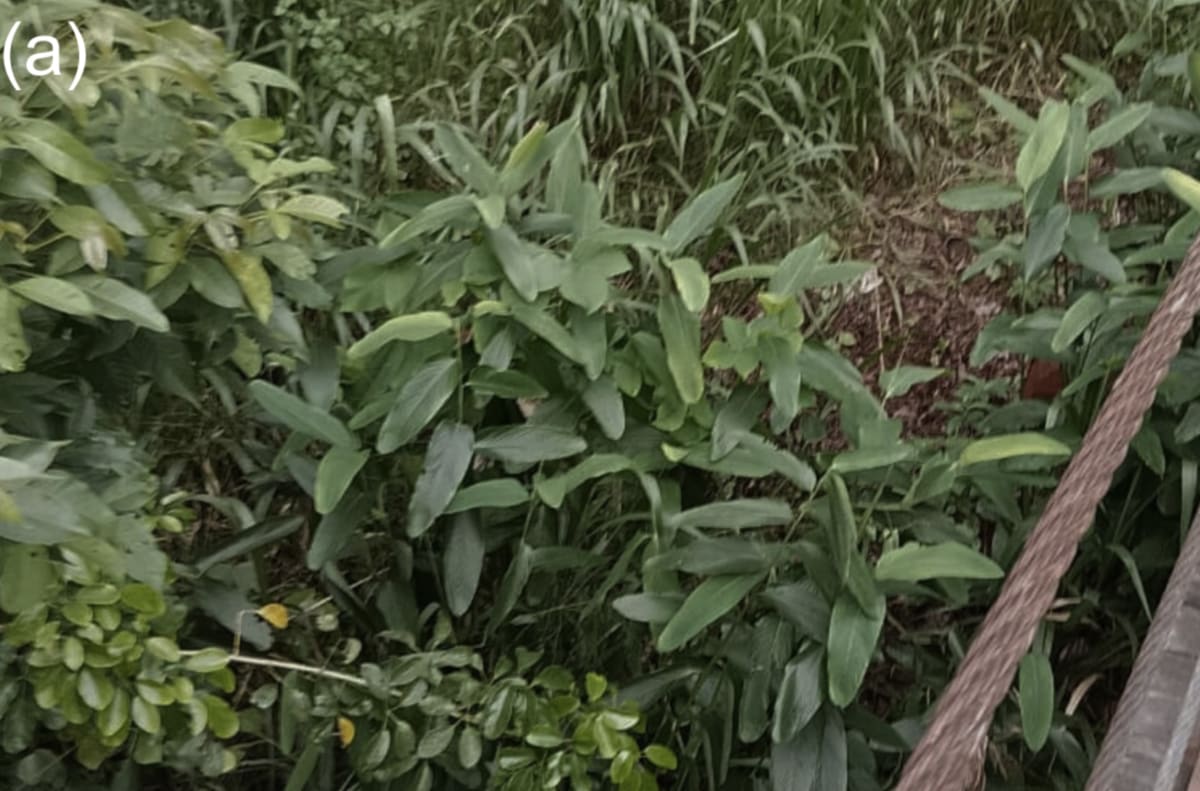
The garden shelters African baobabs, towering rain trees, Java plum, Indian laburnum, and sprawling banyans that create cooling canopies across the landscape. These mature trees perform functions that newly planted saplings can't replicate for decades: established root systems, extensive shade, and complex ecological relationships.
Below ground, the story goes even deeper. Lalbagh Rock is part of the Peninsular Gneiss formation, with stones dating back 2.5 to 3.4 billion years, long before any life walked on Earth.
The garden's water bodies, permeable soil, and vegetation work together as a natural cooling and drainage system for the surrounding city. This matters more each year as Bengaluru faces rising temperatures and unpredictable rainfall patterns.
Birds like rose-ringed parakeets, Asian koels, black kites, and kingfishers find refuge here. Bees, butterflies, and countless insects move between Lalbagh's flowering plants and the wider urban ecosystem, pollinating gardens and green spaces across the city.
Underground, an invisible network of fungi, bacteria, earthworms, and roots cycles nutrients and maintains soil health that supports everything above. This living soil can't be scooped up and moved; it develops over decades through countless interactions between organisms.
The Ripple Effect
Lalbagh's influence extends far beyond its boundaries. The garden moderates temperatures in surrounding neighborhoods, absorbs stormwater that might otherwise flood streets, and provides cleaner air for millions of residents.
The mature tree canopy alone represents decades of carbon sequestration and oxygen production that cannot be quickly replaced elsewhere. Urban planners worldwide increasingly recognize that older green spaces provide ecosystem services worth millions in infrastructure costs.
As Indian cities race to build new roads and tunnels, the conversation at Lalbagh raises a crucial question: what are we really trading away when we pave over irreplaceable nature?
The citizens standing up for Lalbagh are reminding everyone to count the true cost before breaking ground.
Based on reporting by The Better India
This story was written by BrightWire based on verified news reports.
Spread the positivity!
Share this good news with someone who needs it