Colorado River Otters Make a Comeback After 50 Years
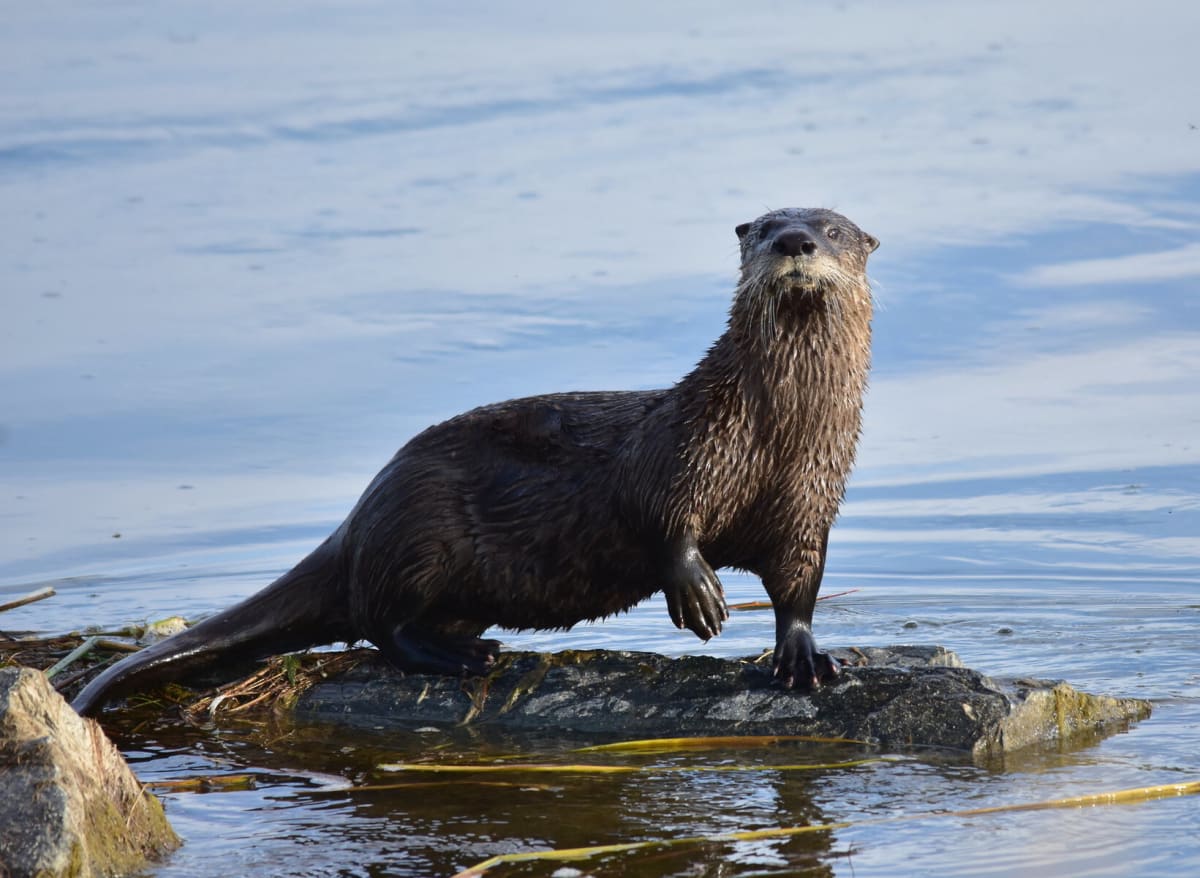
Once wiped out by pollution and trapping, river otters are splashing back into Colorado's waterways. Now the state needs your help tracking these playful creatures.
Imagine a Colorado river in the early 1900s, bustling with sleek, playful otters diving for fish and sliding down muddy banks. Then imagine them gone, wiped out completely by unregulated trapping and dirty water.
That nightmare became reality, but now there's a beautiful twist. This year marks 50 years since Colorado Parks and Wildlife began bringing otters back home, and the effort is finally paying off.
The playful mammals are showing up more frequently across the state's rivers and streams. But because otters are naturally elusive, wildlife officials need everyday Coloradans to become citizen scientists and report sightings through an app called iNaturalist.
The platform has already proven itself as a powerful conservation tool. Users have discovered new species, tracked invasive plants and animals, and made breakthrough observations that help scientists understand our changing ecosystems.
Colorado's otter story shows what's possible when we refuse to accept loss as permanent. Early conservationists could have shrugged at empty rivers and moved on, but instead they chose hope and action.
The Ripple Effect
When otters return to a river, they don't come alone. Their presence signals that water quality has improved enough to support the fish they eat, which means the entire ecosystem is healing.
Healthier rivers benefit everyone. Cleaner water flows to communities downstream, recreational opportunities expand, and the web of life grows stronger with every otter spotted.
The citizen science movement behind this recovery represents something even bigger than conservation. Regular people with smartphones are becoming environmental guardians, proving that protecting nature doesn't require a PhD or special equipment.
Every otter sighting uploaded to iNaturalist helps researchers map population growth, identify habitat preferences, and plan future conservation efforts. Your morning walk along a stream could contribute data that shapes wildlife policy for decades.
Colorado's rivers are coming back to life, one playful otter at a time, and you're invited to be part of the story.
More Images

Based on reporting by Reasons to be Cheerful
This story was written by BrightWire based on verified news reports.
Spread the positivity!
Share this good news with someone who needs it