Columbia River Dams Boost Power 3.3% by Working Together
Seven hydropower dams in Washington just proved teamwork pays off. New research shows coordinated operation could increase revenue by up to 4.3% while producing more clean energy for the grid.
📺 Watch the full story above
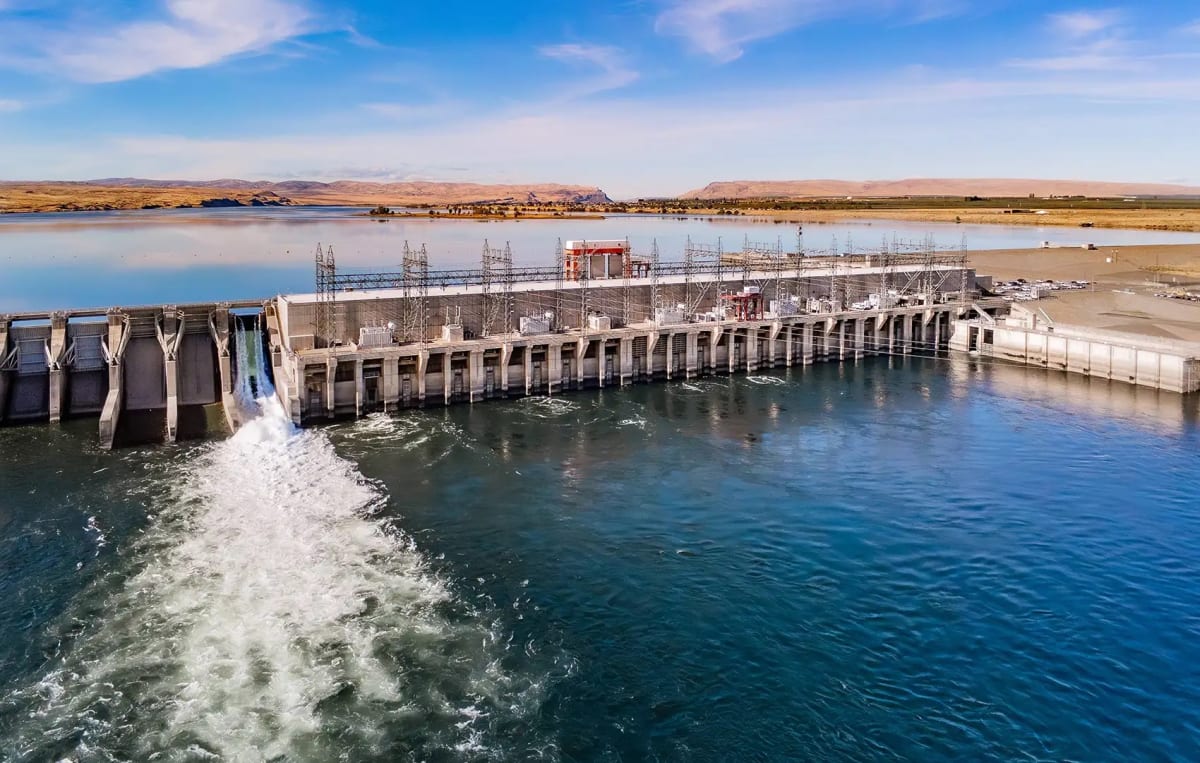
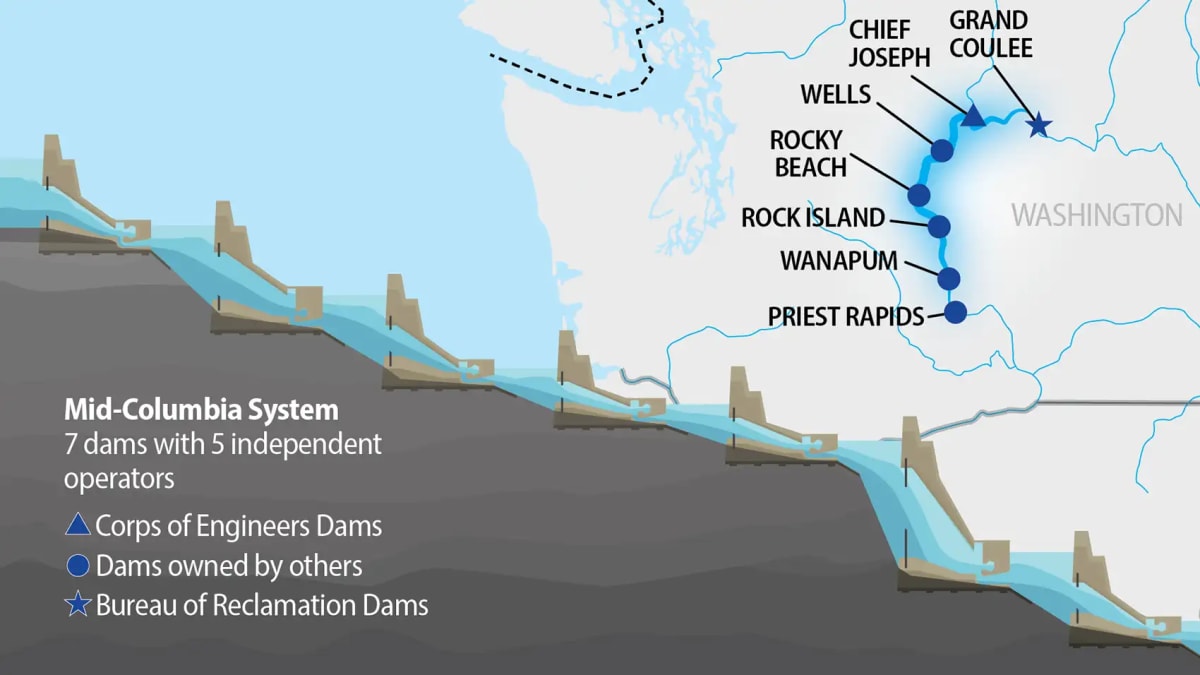
When seven hydropower dams on Washington's Columbia River started working together in a groundbreaking study, something remarkable happened. They produced more energy, earned more revenue, and wasted less water.
Grant Public Utility District manages the last two dams in the Mid-Columbia cascade. Unlike a single operator controlling all seven dams, this system involves multiple owners including federal agencies and nonprofit municipal corporations, each running their facilities independently.
That independence came with a cost. When upstream dams released water without considering downstream needs, the entire system left money and energy on the table.
Grant PUD partnered with the National Laboratory of the Rockies to find out if coordination could change that. Researchers built an advanced model combining river flow patterns with energy production costs across the entire Western power grid.
The results exceeded expectations. Every single dam saw increased annual generation when operated as a coordinated system instead of independent units.
Revenue jumped 3.3% across all seven facilities, with individual dams seeing gains between 2.8% and 4.3%. The coordinated approach optimized when to store water and when to release it, matching energy production to peak demand hours when electricity prices climbed highest.
The difference came down to timing. In the old system, upstream dams might hold back water while downstream facilities sat idle during high-price hours. With coordination, upstream releases could be timed so water arrived downstream exactly when the grid needed it most.
The Ripple Effect
This breakthrough matters beyond one river system. The Mid-Columbia dams represent the exact challenges facing hydropower nationwide: multiple owners, competing priorities, and complex environmental requirements.
Grant PUD faces unique pressures as the last operator in line. Below their Priest Rapids dam lies the longest free-flowing stretch of the Columbia River, a critical salmon spawning ground that adds environmental constraints to their mission.
The study proved these constraints and coordination can coexist. Better timing meant less water got spilled unused, benefiting both energy production and river health.
The research, funded by the U.S. Department of Energy, provides a roadmap other cascaded hydropower systems can follow. As renewable energy demands grow, squeezing more capacity from existing infrastructure without building new dams becomes increasingly valuable.
Lead researcher Wesley Cole explained the natural advantage single owners enjoy: "When all the units in the system are run by the same owner-operator, there is a natural incentive to coordinate operations." This study shows multiple owners can capture those same benefits through collaboration.
The model now exists for utilities nationwide to explore whether their own coordination efforts would justify the investment required.
More Images


Based on reporting by CleanTechnica
This story was written by BrightWire based on verified news reports.
Spread the positivity!
Share this good news with someone who needs it