Columbia Scientists Speed Up Lithium Extraction by Years
Researchers just cracked one of clean energy's biggest problems: getting lithium out of the ground without destroying the environment. Their new method could make EV batteries cheaper and faster to produce while using far less water and land.
The batteries powering the electric vehicle revolution depend on lithium, but getting that lithium out of the ground has been one of clean energy's dirtiest secrets.
Now scientists at Columbia Engineering have developed a breakthrough technique that extracts lithium in days instead of years, without the massive evaporation ponds that drain water from already parched desert regions. Their method works even on low-quality lithium sources that current technologies can't touch.
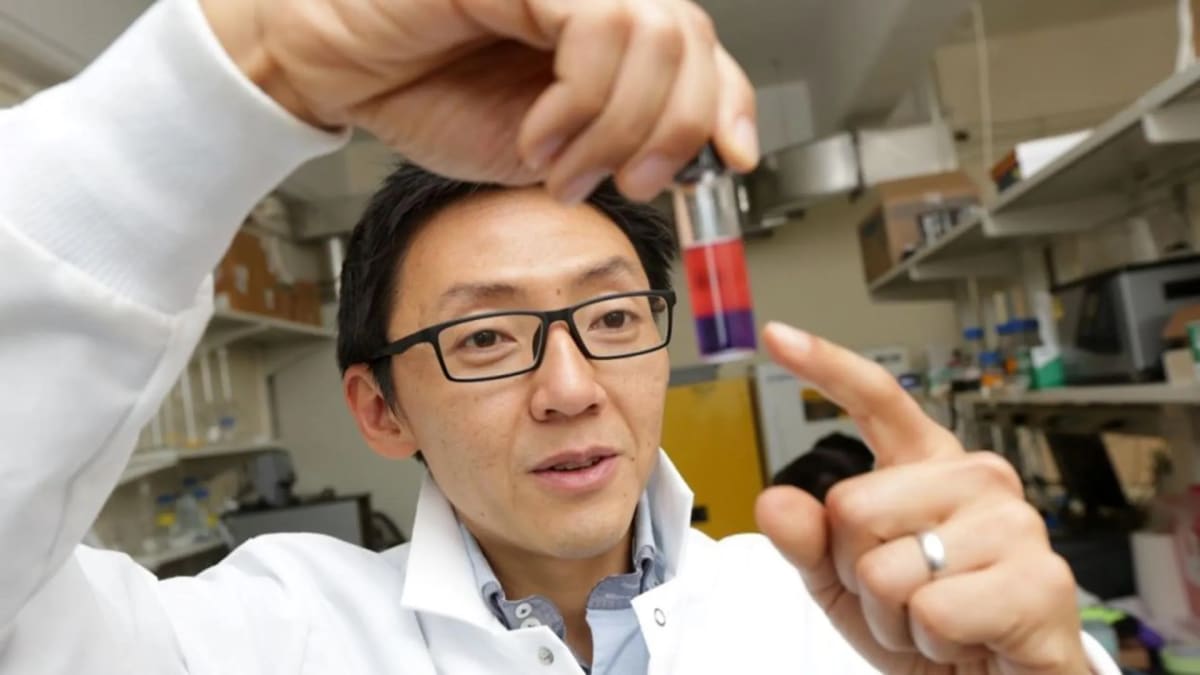
The process, called switchable solvent selective extraction (S3E), uses a temperature-sensitive solvent to pull lithium directly from salty underground brines. At room temperature, the solvent absorbs lithium and water from the brine. When heated, it releases purified lithium and regenerates itself for reuse.
"There's no way solar evaporation alone can match future demand," said Ngai Yin Yip, associate professor at Columbia University. "And there are promising lithium-rich brines, like those in California's Salton Sea, where this method simply can't be used at all."
About 40% of the world's lithium currently comes from desert brine deposits. Most producers pump this salty water into enormous outdoor ponds and wait months or even years for the sun to evaporate enough water to leave lithium behind. The process requires vast stretches of land and consumes huge amounts of water in regions that can't spare it.
The new technique showed impressive results during testing. It extracted lithium at rates up to 10 times higher than sodium and 12 times higher than potassium, while also removing magnesium, one of the most troublesome contaminants in lithium brines.
The Ripple Effect
The researchers tested their system using synthetic brines designed to match conditions at California's Salton Sea, a geothermal region believed to contain enough lithium to supply batteries for more than 375 million electric vehicles. After four extraction cycles using the same solvent batch, they recovered nearly 40% of the lithium.
The technology can run on low-grade heat from waste sources or solar collectors, making it even more sustainable. Unlike many current direct lithium extraction systems, S3E doesn't depend on specialized binding chemicals or large amounts of post-processing.
As demand for batteries continues rising worldwide, cleaner extraction technologies could reshape the entire clean energy supply chain. "We talk about green energy all the time," said Yip. "But we rarely talk about how dirty some of the supply chains are."
The research team emphasized their project is still at the proof of concept stage and hasn't been fully optimized yet. Even so, they believe S3E could become a viable alternative to evaporation ponds and hard rock mining, which currently dominate global lithium production despite their environmental costs.
One breakthrough at a time, scientists are making the clean energy transition actually clean.
Based on reporting by Science Daily
This story was written by BrightWire based on verified news reports.
Spread the positivity!
Share this good news with someone who needs it