Comedian's Viral Video Sparks Roadside Safety Reform
After a frightening roadside breakdown, comedian Laura Johnston turned fear into action and convinced Australia's largest auto club to implement ID verification for all contractors. Three major companies have now committed to the change.
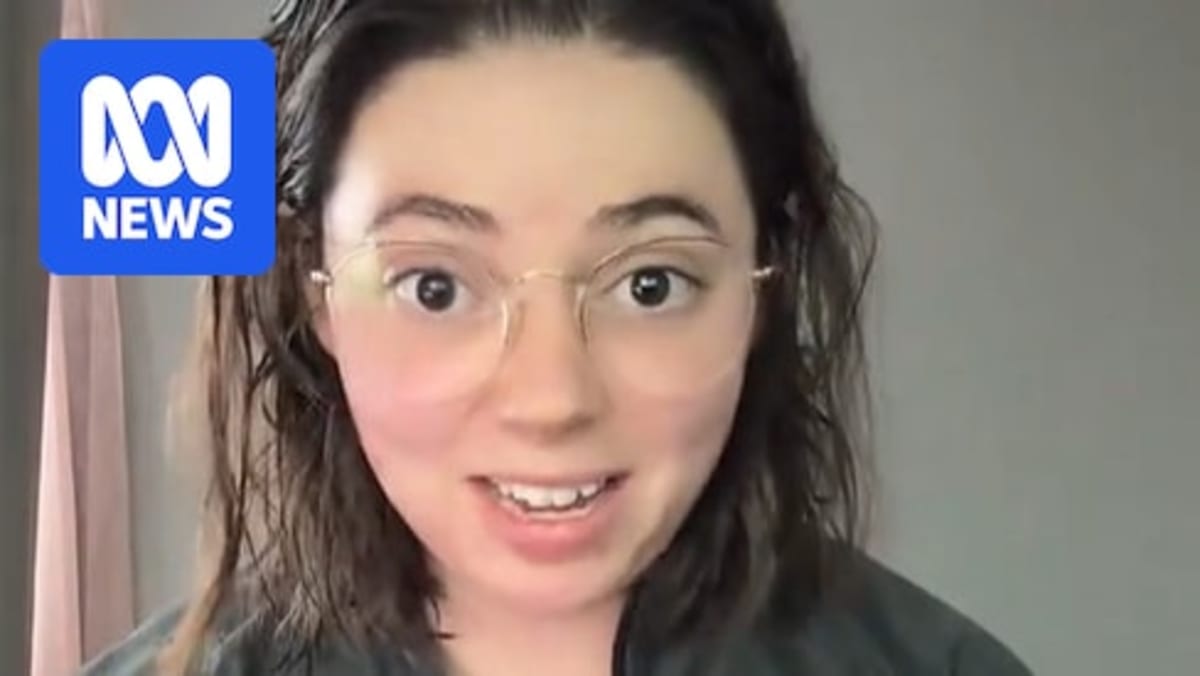
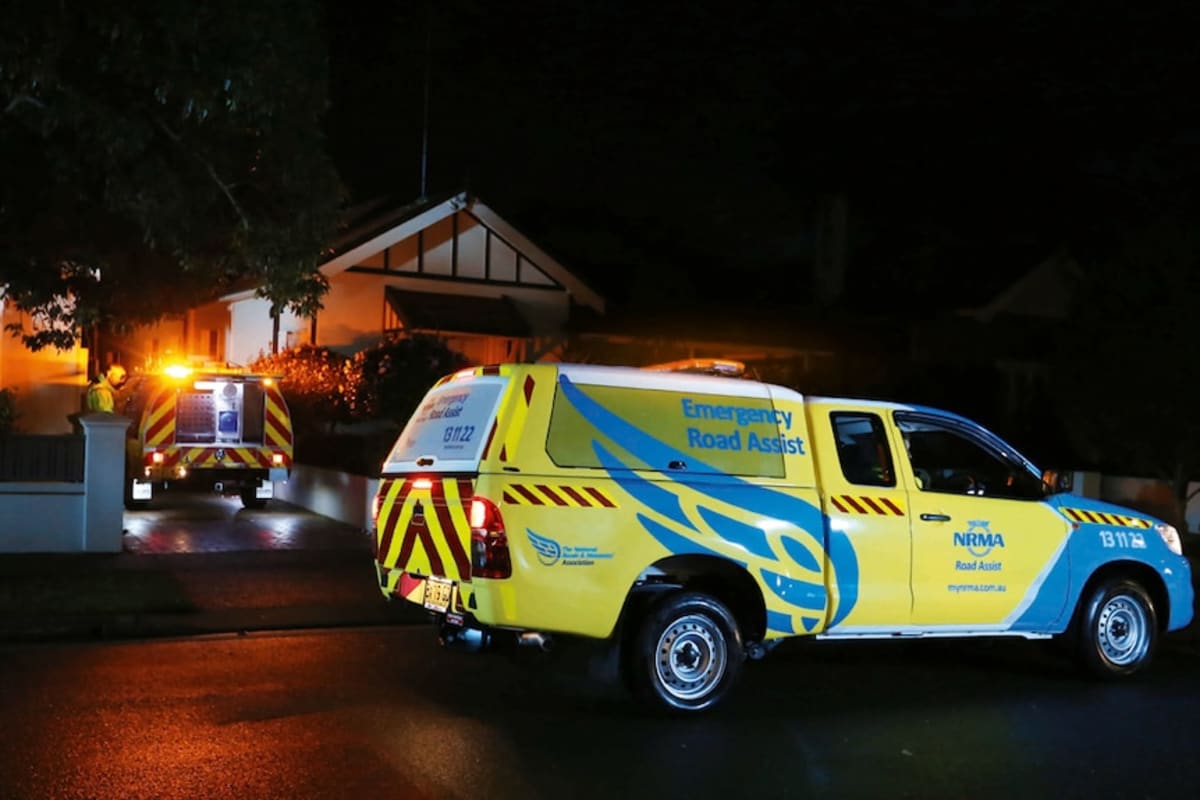
When a stranger in an unmarked car with a broken window showed up claiming to be her roadside assistance, Laura Johnston asked for ID and everything went wrong.
The man swore at her, acted aggressively, and drove away, leaving her stranded on a dark road outside Canberra late at night. What could have been just another scary story became a movement for change.
Johnston posted about her terrifying experience with NRMA roadside assistance on social media. Her video exploded across TikTok and Instagram, gathering over a million views and resonating with thousands who realized they'd had no way to verify if help was really help.
The comedian launched a petition calling for roadside assistance companies to introduce verification systems. More than 27,000 people signed, sharing their own stories of feeling vulnerable and unsafe.
NRMA's chief executive Carolyn Darke took notice and sat down with Johnston. The meeting resulted in a concrete commitment: NRMA will roll out an ID code system in the coming weeks, with technical work already underway behind the scenes.
The verification system will use codes customers already have, like membership numbers or license plates, to confirm identities on both sides. Contractors and customers will be able to verify each other before any interaction begins.
The Ripple Effect
The change isn't stopping with NRMA. Two other major companies have jumped on board, and Johnston is in talks with more this week to make it an Australia-wide standard.
RACQ, Queensland's peak motoring body, has already enhanced its identification process. All patrols and contractors now make mandatory phone calls to members, providing vehicle details including license plate, make, model, and color before arrival.
Johnston even met with staff from the federal government's Office for Women to discuss the broader safety implications. The response has come from everyone, not just women. As Johnston noted, even tall men reached out to say they would have been terrified too.
Currently, no Australian laws require roadside assistance companies to have staff or contractors display branding or provide identification. Johnston's campaign is filling that gap through voluntary industry change, proving that one voice sharing a scary moment can protect countless others from similar experiences.
More Images
Based on reporting by ABC Australia
This story was written by BrightWire based on verified news reports.
Spread the positivity!
Share this good news with someone who needs it