Commonwealth Games Stops 625,000 Plastics From Oceans
The Commonwealth Games is turning its ceremonial relay into an environmental rescue mission, with communities collecting more than 625,000 pieces of plastic from waterways before Glasgow 2026. Five-time Paralympic gold medalist Ellie Simmonds says sport's global reach can create a ripple effect for ocean conservation.
Athletes and volunteers are racing to save the ocean, one plastic bottle at a time.
For the first time ever, the Commonwealth Games has linked its famous King's Baton Relay to a cleanup campaign targeting one million pieces of plastic before the Glasgow 2026 Games begin in July. The campaign has already cleared more than 625,000 items from Commonwealth waters, proving that sporting events can leave behind something better than just memories.
The partnership between Commonwealth Sport and the Royal Commonwealth Society is using the relay route as a practical map for environmental action. As the ceremonial baton travels through 56 nations, local communities are organizing beach and river cleanups alongside the celebration.
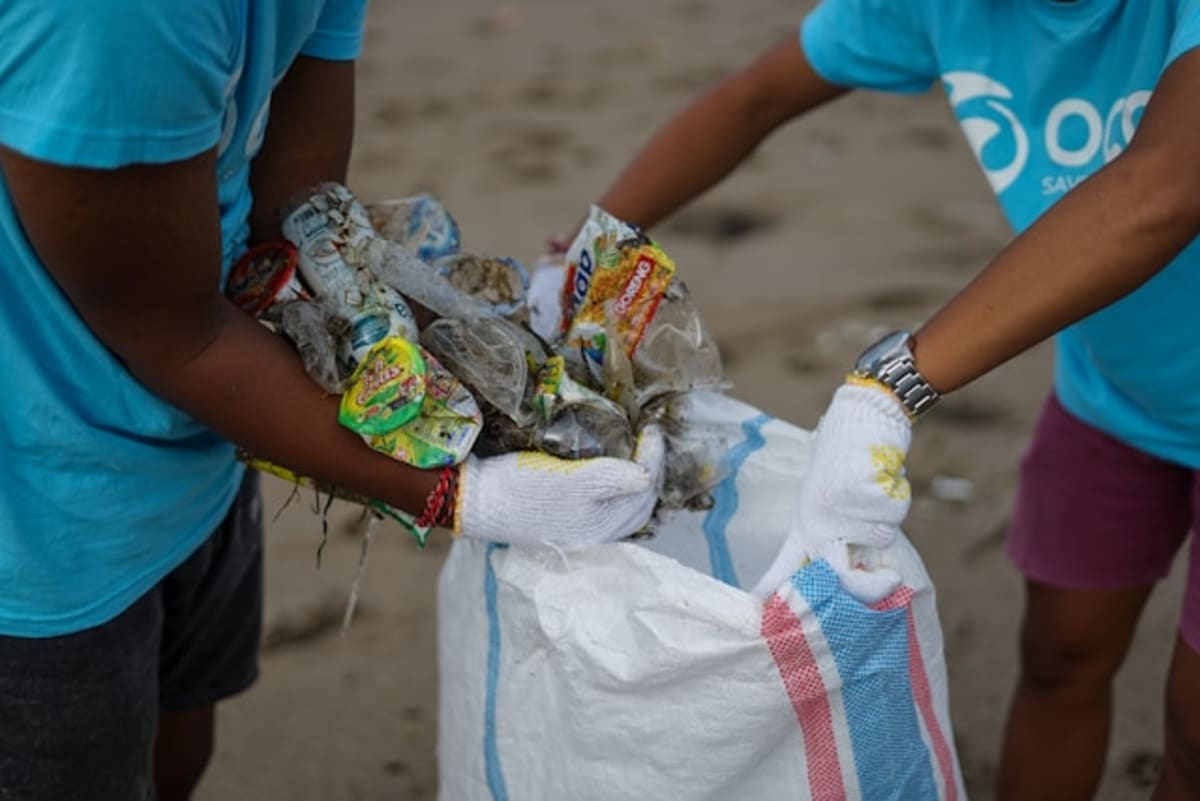
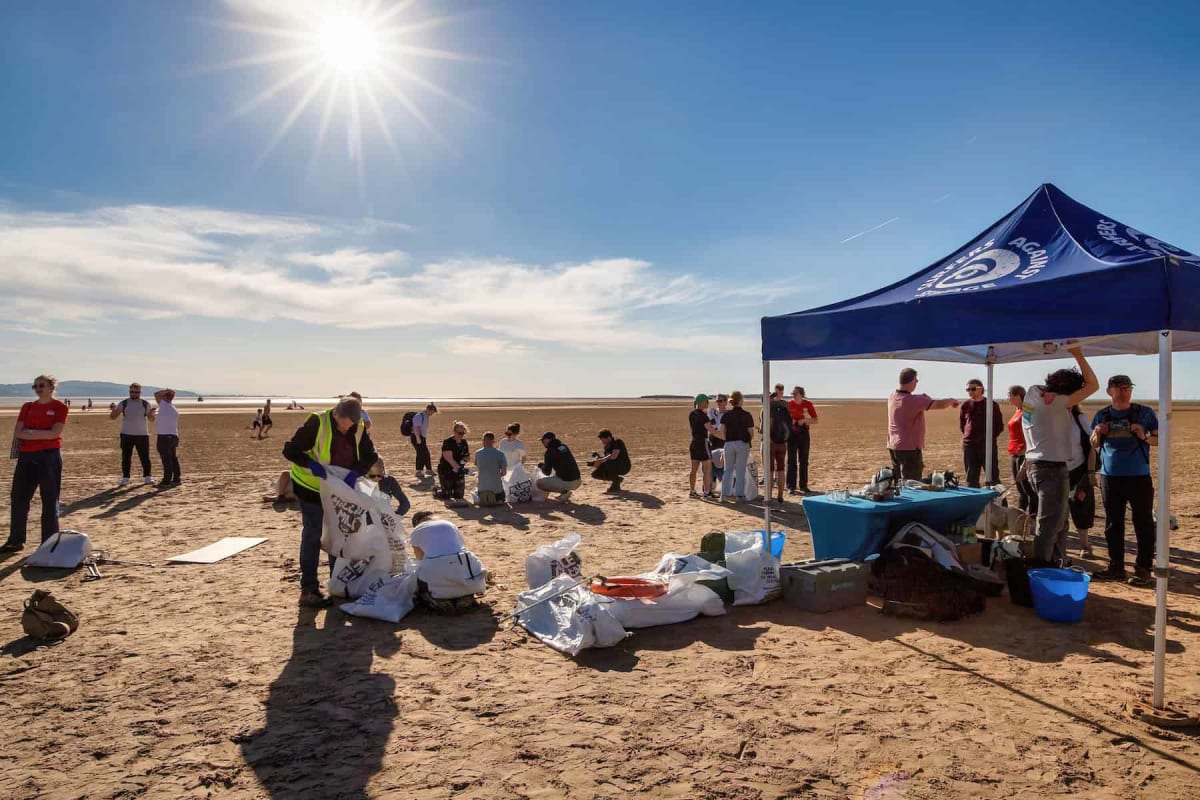
At West Kirby beach in Merseyside, 25 volunteers collected 21 kilograms of waste in a single cleanup, including 552 plastic items. Among them were 111 branded pieces from 56 different companies, showing exactly how packaging travels from stores to shorelines.
Ellie Simmonds, who won five Paralympic gold medals in swimming, joined the cleanup crew. Her passion for water now extends beyond the pool to ocean conservation.
"Sport is so powerful, it can facilitate change," Simmonds told reporters. "Sport is watched by many millions of people across the world, and if sport can do that one thing to create change, then it can create that ripple effect."
The Ripple Effect
The Commonwealth represents about a third of the world's ocean waters. Nearly half of Commonwealth countries are small island nations facing the double threat of rising seas and plastic pollution washing in from distant shores.
The campaign gives these vulnerable communities a voice and a tool. Beach cleanups remove waste before it breaks into microplastics, create evidence of the worst polluting brands, and give locals leverage to demand less plastic enters the system.
Glasgow 2026 organizers are asking whether a global sporting event can leave behind measurable environmental repair alongside medals and television ratings. Schools, conservation groups, and local volunteers across the Commonwealth are answering that question with their hands in the sand and their eyes on the one million piece goal.
The Games begin July 23, giving communities two more months to turn a ceremonial tradition into an ocean rescue mission that outlasts the closing ceremony.
Based on reporting by Positive News
This story was written by BrightWire based on verified news reports.
Spread the positivity!
Share this good news with someone who needs it