Community College Students Solve Real Problems on Capitol Hill
Twelve teams of community college students pitched creative innovations to fight microplastics, food deserts, and scams at the nation's capital. Their STEM solutions prove that real-world problems get solved when students chase their personal passions.
Community college students are taking classroom learning straight to Congress with innovations that could change how we clean our water, prevent scams, and even save lives.
Twelve teams from across the United States gathered on Capitol Hill this week for the Community College Innovation Challenge, showcasing solutions to problems they've witnessed firsthand in their own communities. The annual competition, led by the American Association of Community Colleges and the National Science Foundation, turns student passion into real-world problem solving.
The projects weren't just assignments. They were personal missions born from lived experience.
Students from Henry Ford College in Michigan created SuClara, a smart water testing and filtration system inspired by the ongoing Flint water crisis just an hour from campus. A decade after that crisis began, they're working to ensure clean drinking water becomes accessible everywhere while reducing plastic bottle waste.
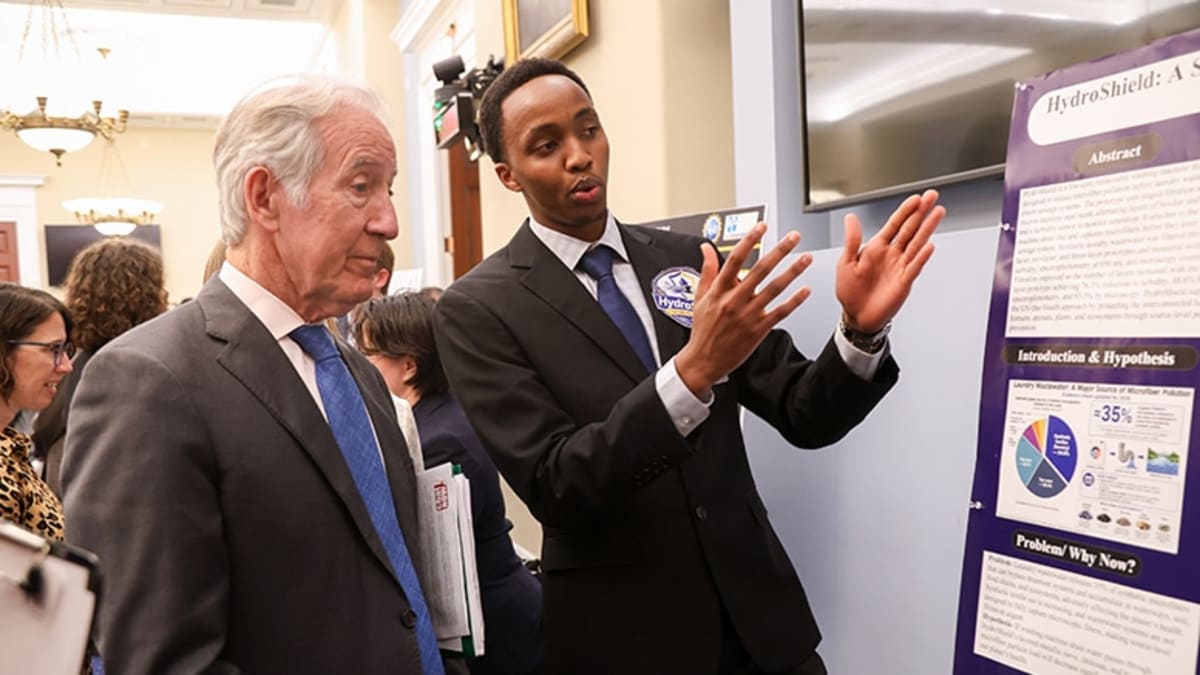
At Springfield Technical Community College in Massachusetts, students designed HydroShield, a replaceable washing machine filter that catches microplastic fibers before they reach waterways. Their innovation earned second place and addresses a pollution problem most people don't even know exists every time they do laundry.
Robert Edwards from Shawnee Community College in Illinois brought 25 years of retail management experience back to the classroom. He's seen grocery stores close and watched communities lose access to fresh food, so his team built a data system to predict where food deserts might emerge before they happen.
The San Jacinto College team in Texas created TrustLine after a team member's mother-in-law got scammed. Their phone app proactively blocks scam calls, texts, and emails instead of just reacting after someone's already been hurt.
Josiah Chun's father lives with Parkinson's disease, which sent Chun on what he calls "a quest for knowledge" about neuroscience. His Pasadena City College team created Cortexa, an interactive learning tool that processes brainwave signals and triggers LED lights to make neuroscience education exciting and accessible for students everywhere.
The Ripple Effect
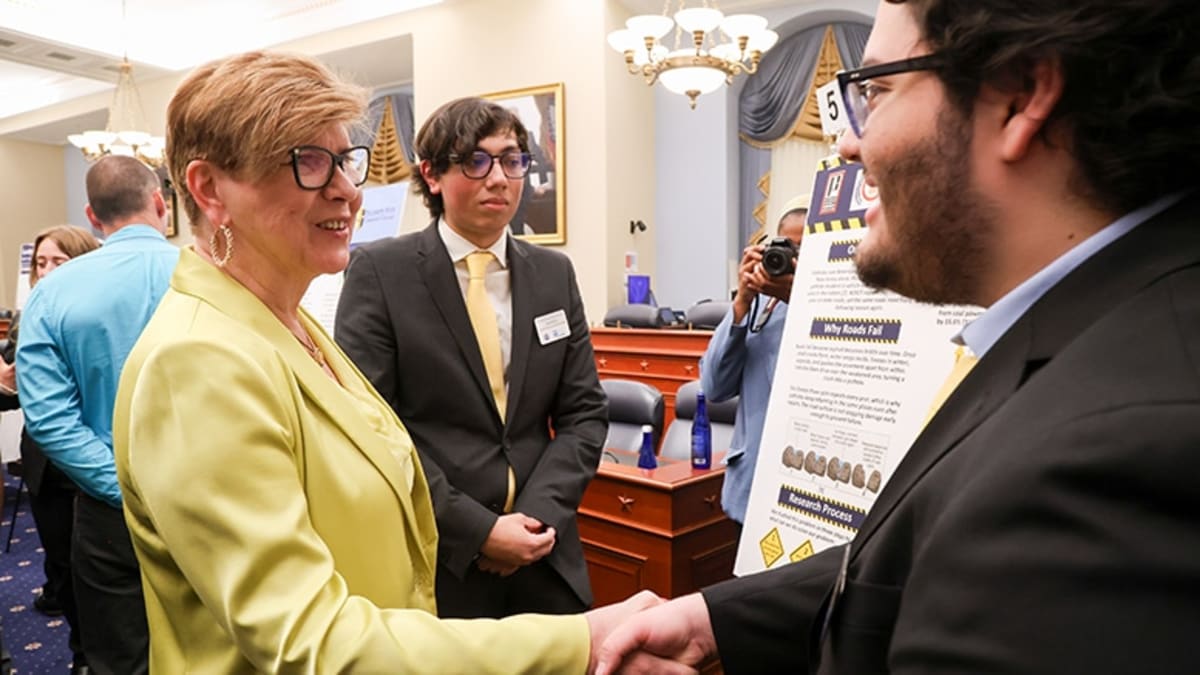
These innovations extend far beyond individual student achievement. Teams from Hudson County Community College designed water-saving cooling systems for AI data centers, while Passaic County Community College reimagined road materials using fly ash. SUNY Broome created affordable quantum optics education kits with open-source guides, and Pellissippi State developed 3D-printed models with Braille labels to make STEM accessible for visually impaired students.
SUNY Broome's quantum education project took first place, proving that making complex science accessible to everyone resonates with judges and communities alike. De Anza College's Micro-Buoy rescue device claimed third place.
"You have distinguished yourself as creative thinkers and problem solvers," AACC President DeRionne Pollard told the students during the showcase. James Moore III from the National Science Foundation added a simple message: "We get to the top with creativity and innovation."
These students found their "why" in personal experiences and turned it into solutions that serve everyone.
More Images
Based on reporting by Google News - School Innovation
This story was written by BrightWire based on verified news reports.
Spread the positivity!
Share this good news with someone who needs it