Companies Discover Autistic Workers Resist Bias Better
New research shows autistic employees may be less vulnerable to groupthink, overconfidence, and ethical blind spots that cost organizations billions. Father-son scientists are proving neurodiversity isn't just nice to have—it's a competitive advantage.
A behavioral scientist and his autistic son, a neuroscientist, just revealed something companies desperately need to hear: the workers they're screening out might be the ones who can save them from costly mistakes.
Their research tackles a painful contradiction. Organizations claim they want independent thinkers who challenge assumptions, yet their hiring processes systematically filter out autistic candidates who think differently from the ground up.
The reason matters more than ever. Modern companies lose billions to groupthink, confirmation bias, and ethical failures. Entire industries have collapsed because people ignored warning signs, deferred to consensus, or rationalized bad decisions.
Here's where it gets interesting. Multiple studies show autistic individuals demonstrate lower susceptibility to these exact problems. They're more likely to speak up when something seems wrong, even when others stay silent. They show reduced moral disengagement, making them less likely to rationalize unethical behavior. They're also less vulnerable to the Dunning-Kruger effect, where people with limited knowledge wildly overestimate their abilities.
The neuroscience helps explain why. Brain imaging studies suggest autistic individuals may prioritize external evidence over social cues when the two conflict. In group settings, they appear less influenced by peer pressure, status hierarchies, or the need for consensus.
This isn't about calling autism a superpower or romanticizing neurodiversity. The research team is clear that autistic people have diverse experiences and challenges. But the pattern reveals something organizations desperately need: cognitive styles that favor accuracy over impression management and substance over social performance.
The Ripple Effect
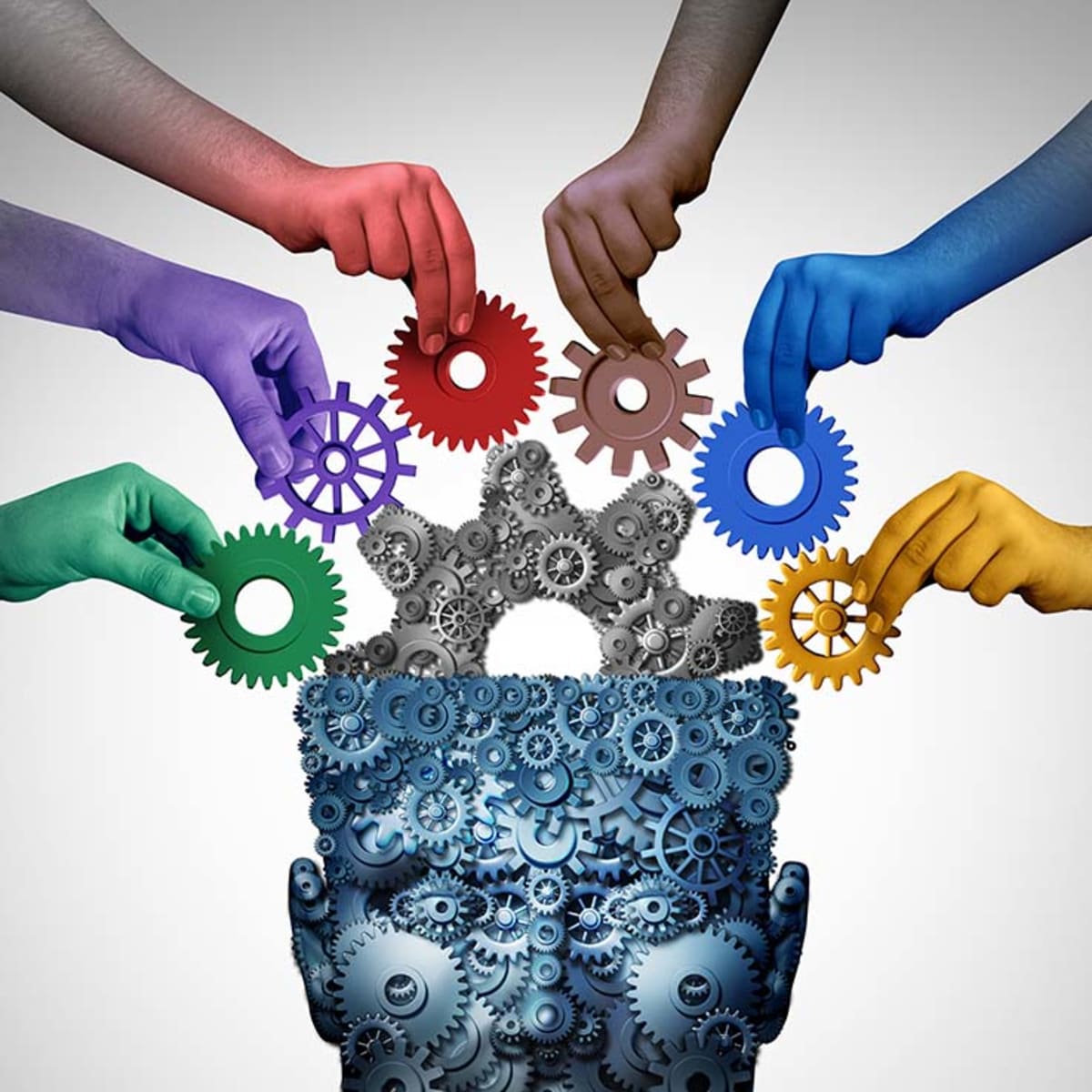
The impact extends beyond individual companies. When organizations redesign hiring to test actual competence instead of social fluency, they don't just gain better decision-makers. They create workplaces where evidence matters more than charisma, where speaking uncomfortable truths becomes valued, and where diverse thinking styles genuinely thrive.
Some companies are already shifting. They're replacing unstructured interviews that reward quick social responses with structured assessments of actual skills. They're separating professionalism from arbitrary markers like constant eye contact or conversational improvisation.
The father-son research team's collaboration changed how they understand human potential in organizations. Their work suggests the traits companies spend millions trying to cultivate through training programs already exist in candidates they routinely reject.
The organizations that figure this out first won't just be more inclusive—they'll make better decisions, avoid costly groupthink failures, and build cultures where truth-telling trumps social consensus.
More Images


Based on reporting by Stanford Social Innovation
This story was written by BrightWire based on verified news reports.
Spread the positivity!
Share this good news with someone who needs it