MIT Finds Brain Circuit That Judges Present vs Past
Scientists at MIT have discovered how your brain compares what's happening right now to what just happened, helping you make better decisions. This breakthrough could transform how we understand and treat autism.
Your brain isn't starting from scratch every time you make a decision. MIT neuroscientists just figured out exactly how it remembers what happened a moment ago to help judge what's happening now.
Researchers at The Picower Institute for Learning and Memory identified a specific brain circuit connecting two regions that work together like a comparison engine. One area makes sensory decisions while the other whispers advice about what just changed in the world around you.
"The brain does not evaluate each new event from scratch," says lead author Ning Leow. Instead, it constantly checks: Is this new or familiar? Should I update my decision or stick with what I know?
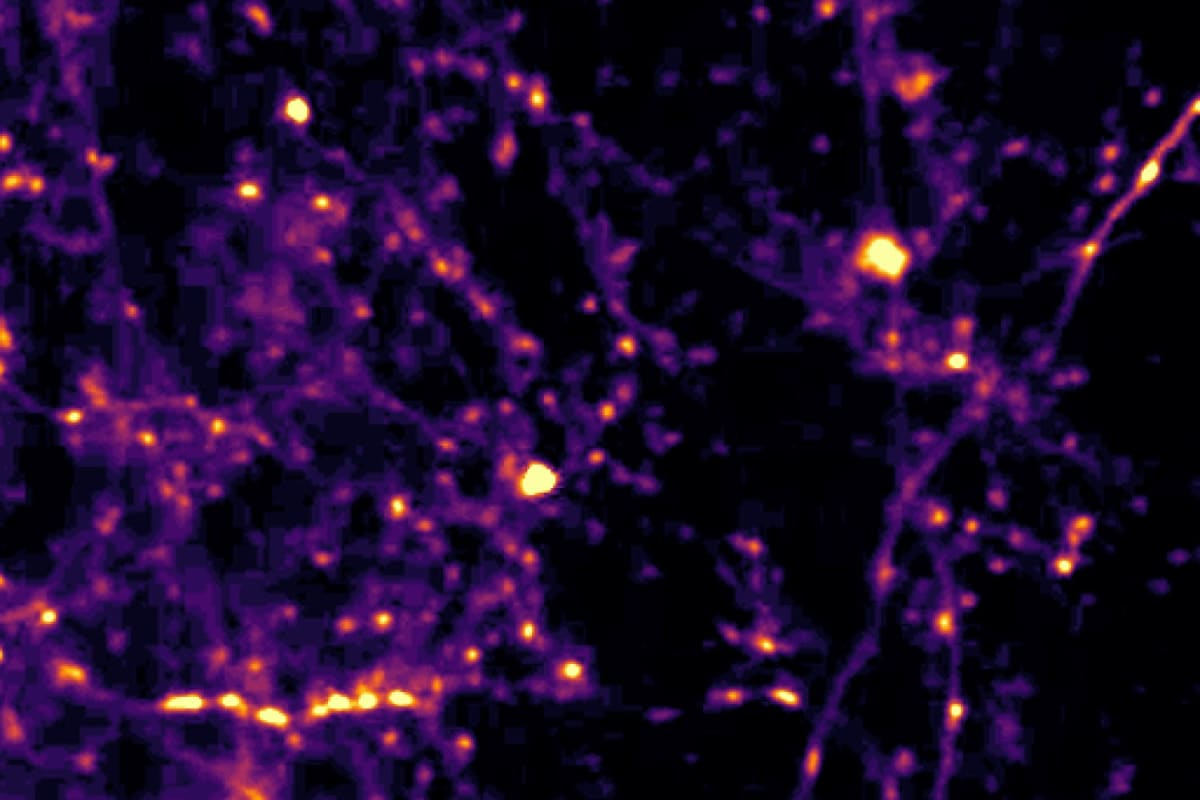
The team trained mice to play a video game where dots drifted across a screen, with some moving together in the same direction. The mice had to guess which way the group was moving. Scientists watched their brains light up in real time using advanced imaging.
The mice didn't just react to what they saw. They factored in what they'd seen moments before, adjusting their guesses based on whether the new pattern looked similar or different from the last one.
When researchers gently disrupted this circuit using light, the mice lost their ability to use recent memory effectively. They could still see the dots and make guesses, but they struggled to weigh new information against what just happened.
The discovery centers on two brain regions working in concert. The pulvinar (called the lateral posterior thalamus in mice) tracks immediate history and highlights meaningful changes. It then advises the anterior cingulate cortex, which makes the final call on what to do.
Why This Inspires
This isn't just fascinating science. It could help millions of people with autism who experience the world differently.
Many autistic individuals struggle to filter recurring stimuli that others tune out as familiar background noise. Senior author Mriganka Sur notes this research directly relates to how people with autism make predictions about their sensory world.
Understanding this comparison circuit could lead to new therapeutic approaches. If scientists know exactly which brain pathway struggles to distinguish new from familiar, they can develop targeted treatments.
The findings also reveal something profound about human experience. Every decision you make carries an invisible thread to the moment before. Your brain is constantly running a comparison, asking "What changed?" to help you navigate a fast-moving world.
This circuit helps you recognize when your friend cuts their hair, when traffic patterns shift on your commute, or when someone's tone changes mid-conversation. It's the neurological foundation of staying present while learning from the immediate past.
The research appears in the journal Science, building on the team's 2022 mapping of brain connections. What started as a study about attention revealed something deeper about how we perceive reality itself.
For people navigating autism or those who love them, this discovery offers genuine hope that science is closing in on the specific mechanisms that shape sensory experience.
Based on reporting by MIT News
This story was written by BrightWire based on verified news reports.
Spread the positivity!
Share this good news with someone who needs it