Congo Ebola Testing Saves Lives as Cases Drop by 82%
In eastern Congo, a surge in rapid Ebola testing and community trust-building has helped 19 patients recover from a deadly outbreak. New mobile labs are cutting diagnosis times from 24 hours to just two hours in remote villages.
When Ebola struck eastern Congo this spring, health workers knew speed would save lives. Now their bet on rapid testing and community partnerships is paying off with 19 recovered patients and falling death rates.
The outbreak in the Democratic Republic of Congo has confirmed 550 cases and 101 deaths as of June 8. But those numbers tell a story of success, not failure.
Dr. Abdirahman Mahamud, speaking from the heart of the outbreak zone in Bunia, explained that the rise in confirmed cases actually reflects something positive. "The scale-up of testing" means health workers are catching infections earlier than ever before.
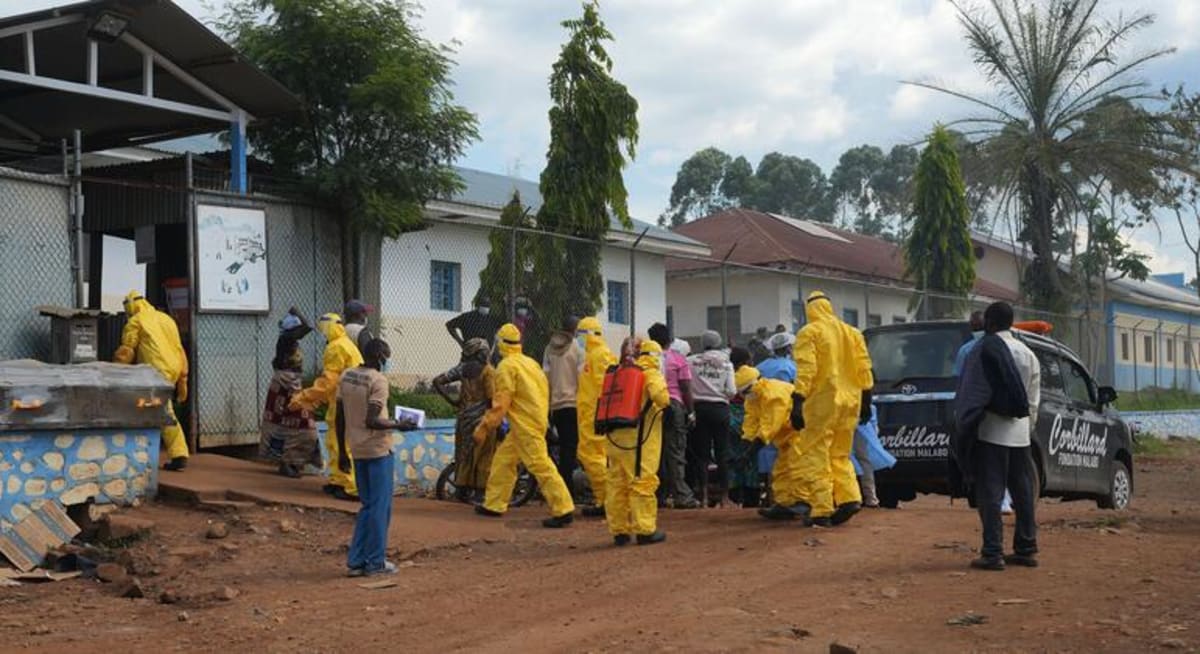
The World Health Organization has opened new mobile labs across an area the size of France. In Bunia, patients now get results in one or two hours instead of waiting a full day. Remote villages that once sent samples on eight-hour journeys now have testing facilities opening in their own communities.
This Friday, the remote town of Aru near the Uganda border will open its own lab. Samples that previously traveled 10 hours by road for analysis will now be processed locally, giving patients faster access to life-saving treatment.
The outbreak involves the rare Bundibugyo species of Ebola, which has spread into neighboring Uganda with 19 confirmed cases. Uganda has reported two deaths but no community transmission so far.
Contact tracing teams have identified over 5,000 people who may have been exposed across three provinces. They've reached 62 percent of these contacts, with plans to hit the gold standard of 90 to 95 percent in coming weeks.
The Bright Side
The real breakthrough isn't just technology. It's trust. Dr. Mahamud described "slow and steady progress" built on working alongside communities rather than imposing solutions from outside.
Local healthcare workers now form the frontline, identifying cases early and connecting patients to treatment centers. The system links surveillance, contact tracing, treatment facilities, and labs into one coordinated network with efficient data sharing.
WHO has deployed over 100 personnel to support Congo's government-led response. They've delivered 40 tonnes of equipment and medical supplies and helped establish treatment centers across five affected areas.
The effort shows what's possible when rapid science meets community partnership in fighting deadly disease.
Based on reporting by UN News
This story was written by BrightWire based on verified news reports.
Spread the positivity!
Share this good news with someone who needs it