Nigeria Bans Small Alcohol Packets to Protect Youth
Nigeria's health agency is removing tiny alcohol sachets and bottles from stores nationwide to keep them away from children and teens. The bold crackdown targets products that made drinking too easy and cheap for young people.
Nigeria is taking a major stand against underage drinking by raiding stores, markets, and bars across the country to remove mini alcohol packets that made booze dangerously accessible to kids.
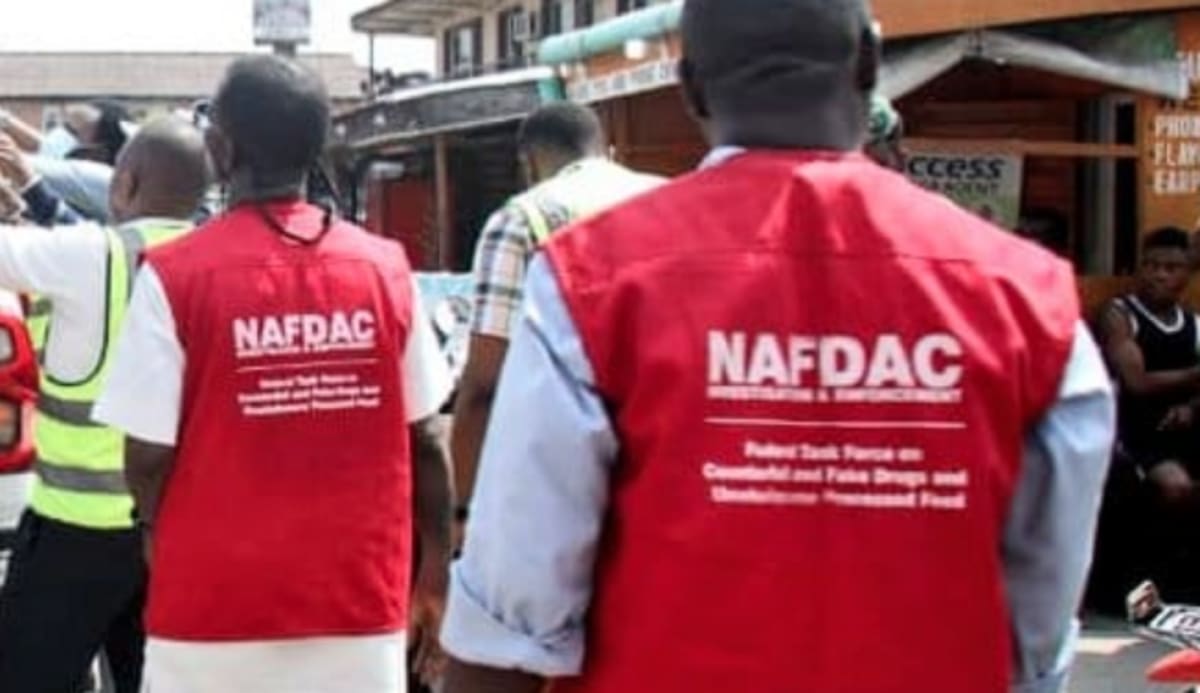
The National Agency for Food and Drug Administration and Control launched enforcement operations yesterday in all six regions of Nigeria. Teams are seizing all alcoholic drinks sold in sachets or small plastic bottles under 200 milliliters.
The agency shut down factories that kept making the banned products and warned sellers they'll face prosecution if caught with remaining stock. Director-General Prof Christianah Adeyeye said manufacturers, distributors, and even street hawkers must surrender leftover inventory immediately.
The crackdown targets a real problem. These tiny, cheap alcohol packets became wildly popular because they cost next to nothing and fit in a pocket. That made it simple for children and teenagers to buy and hide alcohol from parents and teachers.
Motor parks, retail shops, bars, and supermarkets are all under scrutiny. NAFDAC made clear this isn't a one-time sweep but an ongoing campaign to keep harmful products out of Nigerian communities.
The Ripple Effect
This aggressive action could reshape how millions of young Nigerians grow up. By removing the cheapest and easiest alcohol options from circulation, the government is building a barrier between kids and their first drink.
The ban protects not just individual children but entire communities struggling with substance abuse. When alcohol becomes harder for teens to access, schools see better attendance, families experience less conflict, and young people have better chances at healthy futures.
NAFDAC is asking everyday Nigerians to join the fight by reporting anyone still making or selling the banned products. Public support turns enforcement into community care, with neighbors looking out for each other's children.
Manufacturers who followed the rules and stuck to approved bottle sizes can continue business as usual. The enforcement focuses only on products proven to pose serious public health risks.
Nigeria is showing that protecting young people from alcohol doesn't require complicated solutions, just determined action and a government willing to prioritize health over profits.
Based on reporting by Vanguard Nigeria
This story was written by BrightWire based on verified news reports.
Spread the positivity!
Share this good news with someone who needs it