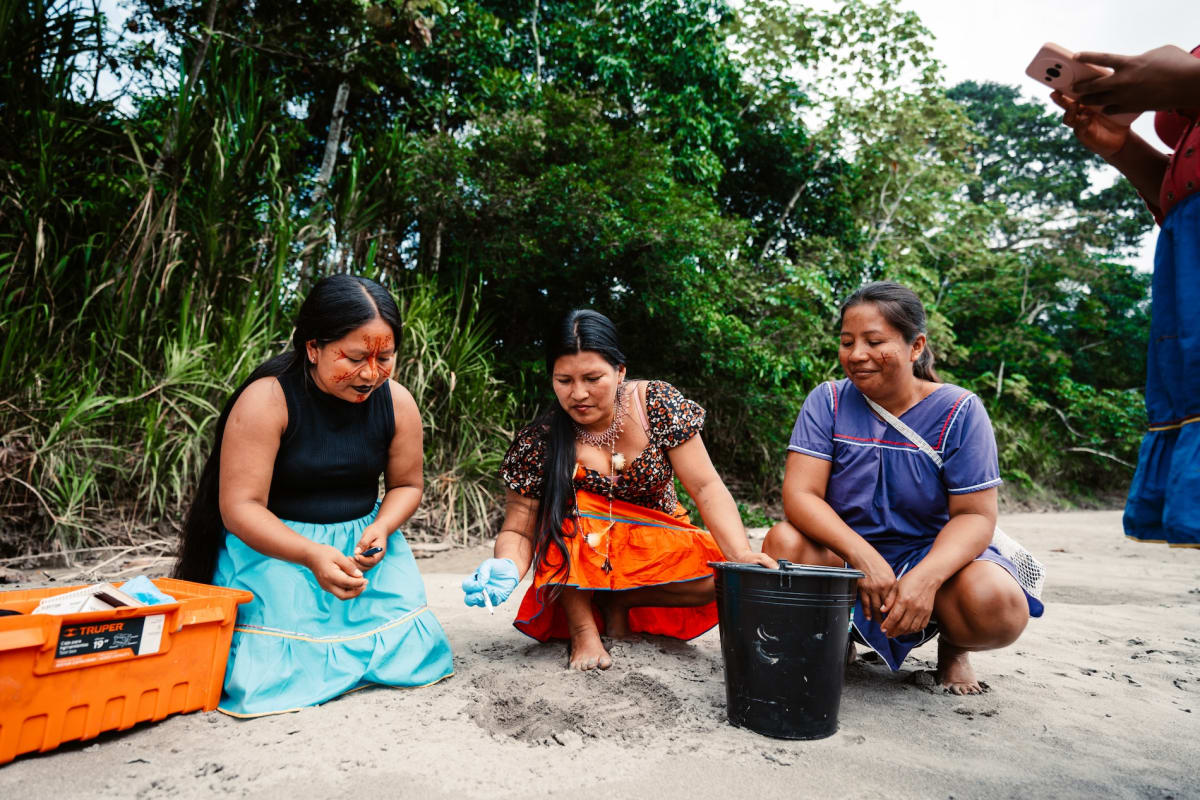
Congo Forest Loss Drops 87% Under Community-Led Conservation
Descendants of families forced from their forest homeland now lead the effort protecting it, slashing deforestation by 87% in one year. Their success proves conservation works best when local communities take the lead.
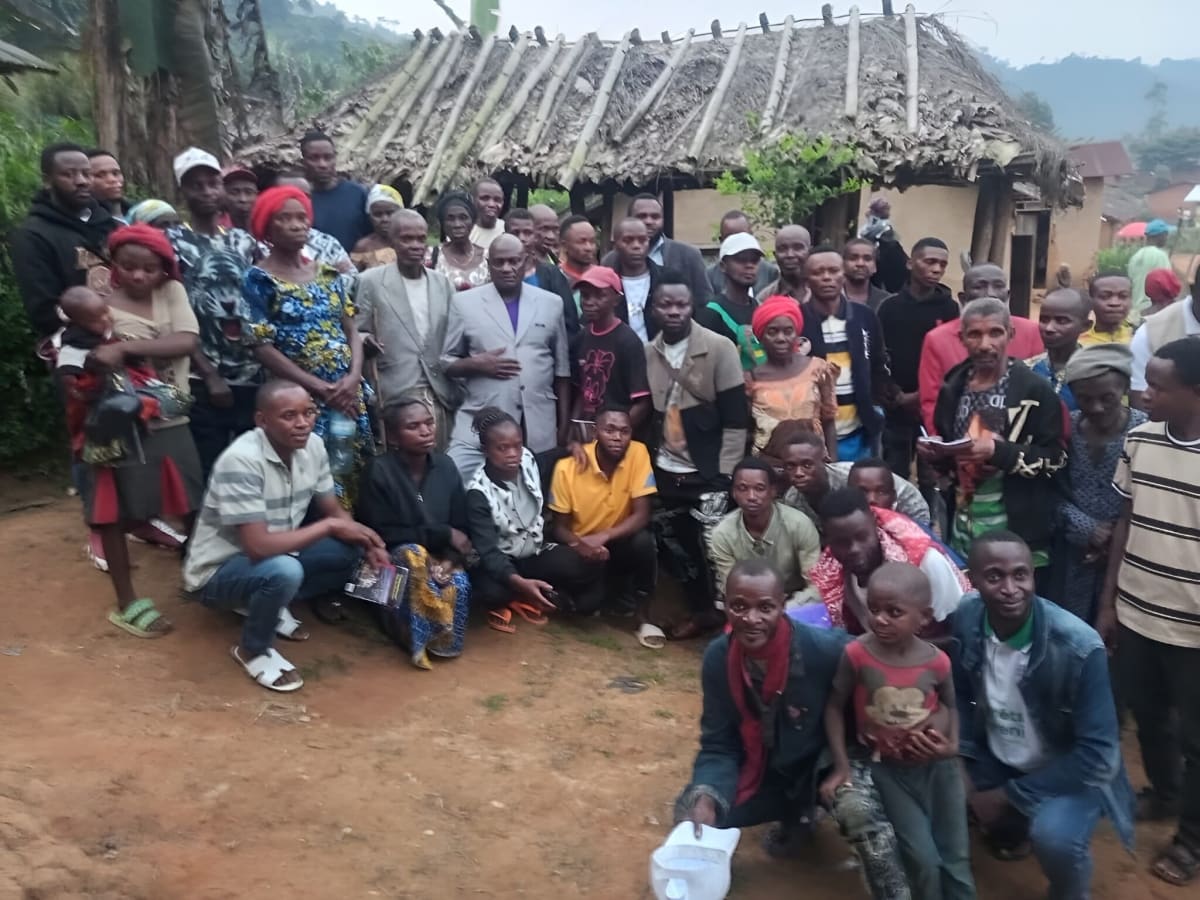
In the lush forests of North Kivu, Congo, Gangala Yafali Mangusa Jr. walks the same land his family was forced to leave decades ago. But this time, he's protecting it on his own terms.
Mangusa's family was displaced in the 1970s when park rangers created Maiko National Park and banned local communities from entering the forest their ancestors had lived in for generations. The Indigenous Batwa, Bapiri and other communities who had survived on hunting and gathering for centuries suddenly faced eviction from their homes.
Growing up, Mangusa watched tensions turn to violence as communities clashed with conservation authorities. He also saw forests depleted by unsustainable extraction and communities fighting over dwindling resources.
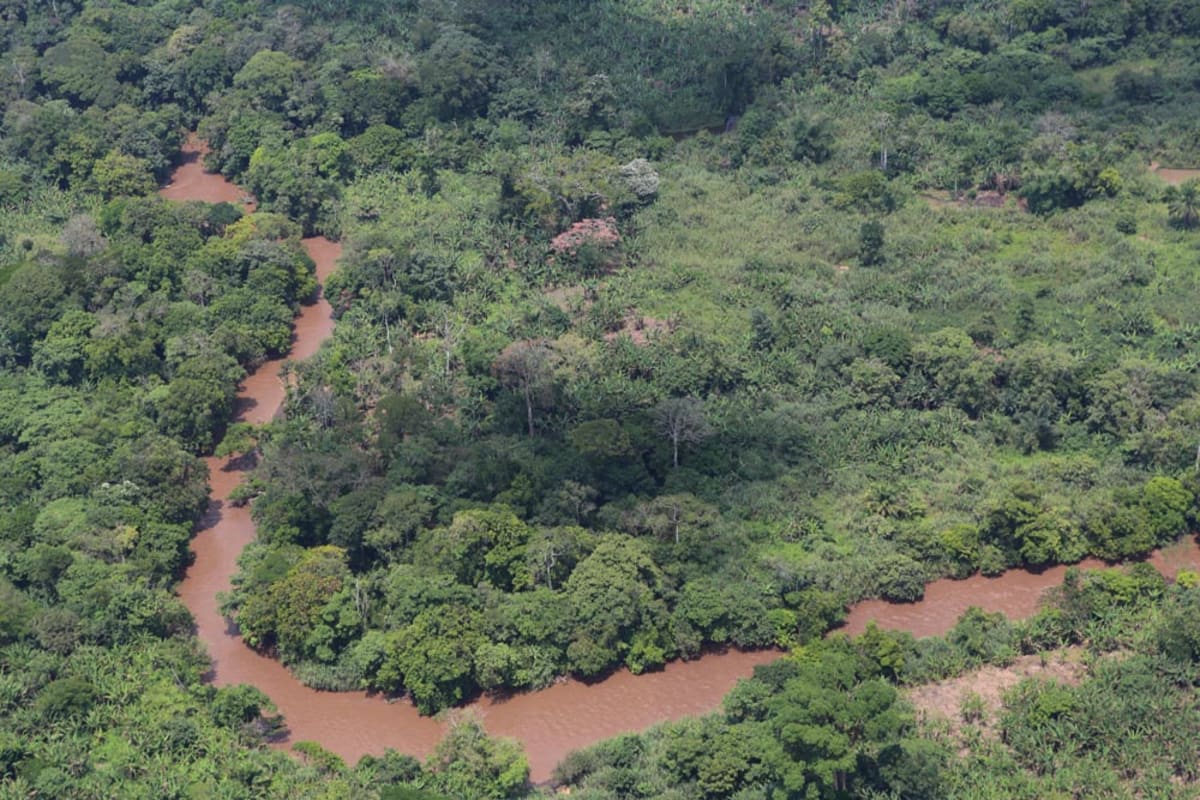
But in 2018, something changed. Communities decided to try a different approach, creating the Bamasobha Local Community Forest Concession and granting 29,000 hectares to collective management. Mangusa now leads the management committee, conducting monthly patrols with community members to monitor illegal hunting, logging and mining.
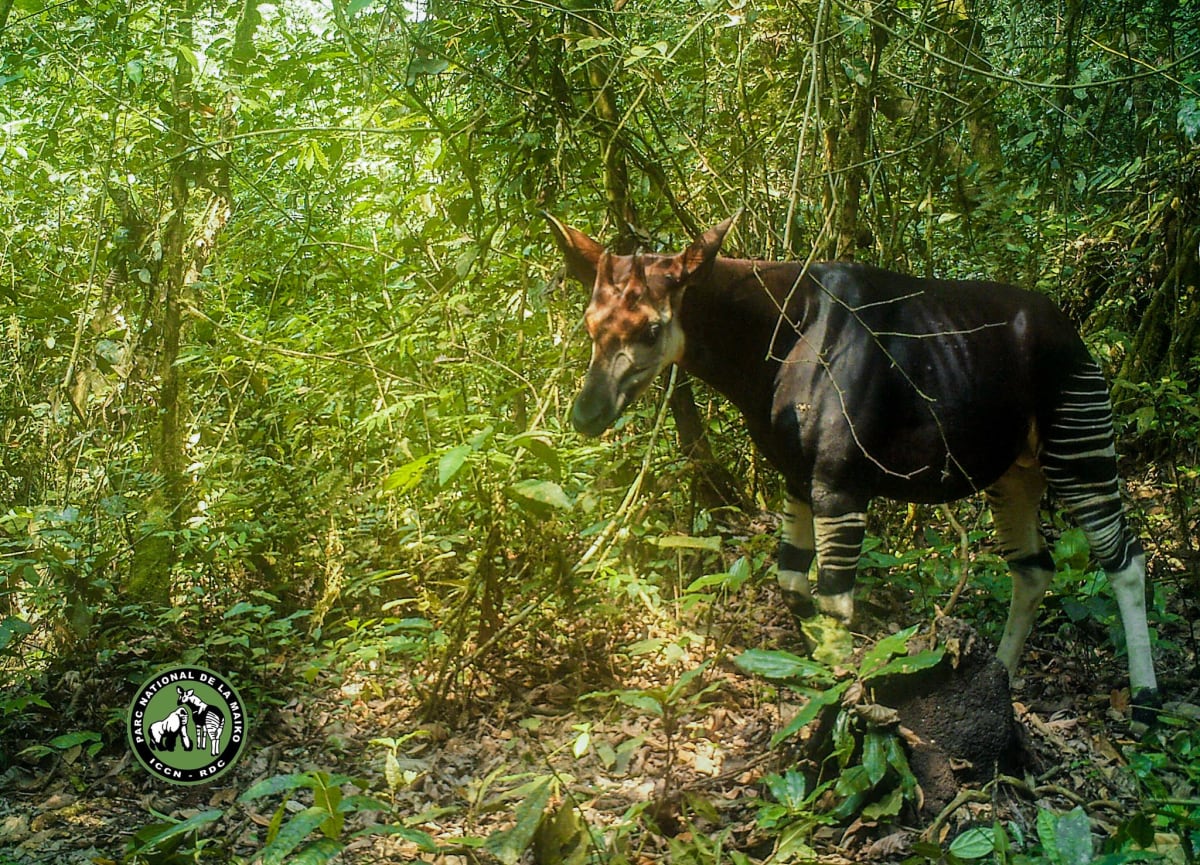
The forest is divided into zones that balance protection with survival. Conservation and protection zones safeguard biodiversity while production zones allow sustainable agriculture, charcoal production and fishing. Mangusa's team works to ensure endangered eastern lowland gorillas, okapi, chimpanzees and forest elephants can thrive alongside human communities.
The Ripple Effect
The results speak for themselves. Satellite imagery from Global Forest Watch shows forest loss in the Bamasobha concession plummeted from 940 hectares in 2024 to just 120 hectares in 2025, an 87% reduction.
Local authority Macaire Sivikunulya says awareness programs deserve credit for the turnaround. When a new road was built through the concession making timber transport easier, everyone expected large-scale logging to follow. It didn't happen.
Community facilitator Claude Muhindo Sengenya reports that animal populations in protected zones are gradually increasing. The success comes despite serious challenges, including terrorist activity from the Allied Democratic Forces that displaced several communities in 2024.
The transformation from conflict to cooperation shows what's possible when conservation efforts include rather than exclude local people. Families who once fought park rangers now lead the protection efforts themselves.
After generations of being told they couldn't care for their own forests, these communities are proving the experts wrong.
More Images

Based on reporting by Mongabay
This story was written by BrightWire based on verified news reports.
Spread the positivity!
Share this good news with someone who needs it