Two Hairy Pigs Are Saving a British Island's Ecosystem
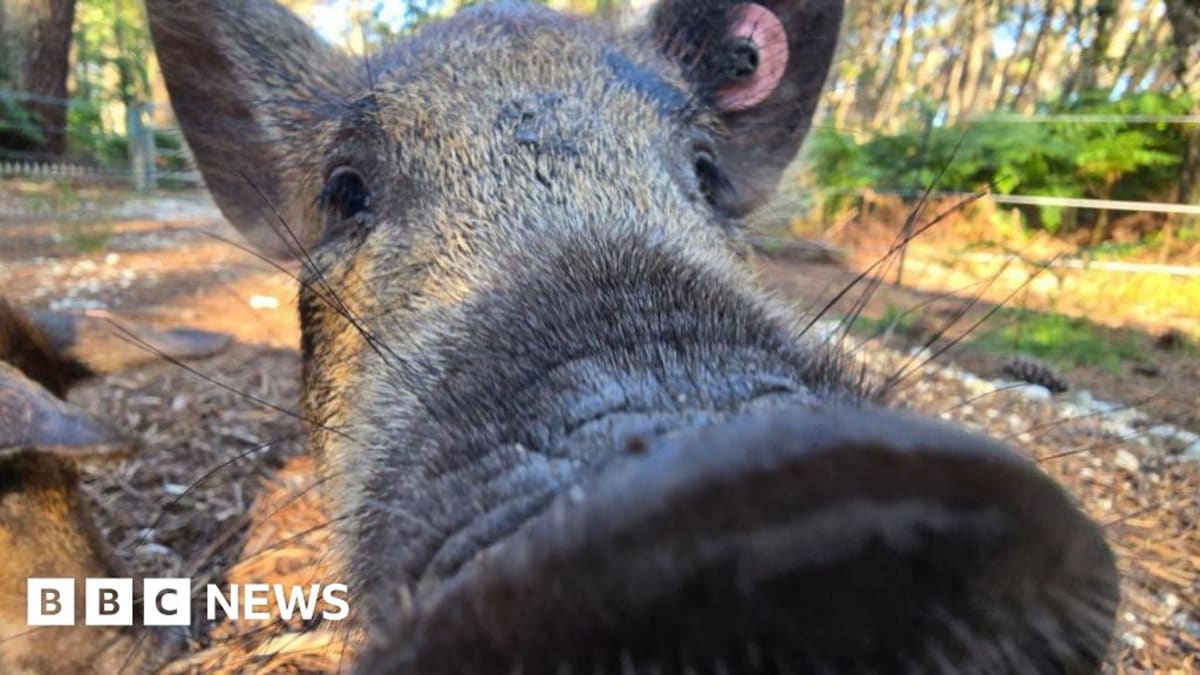
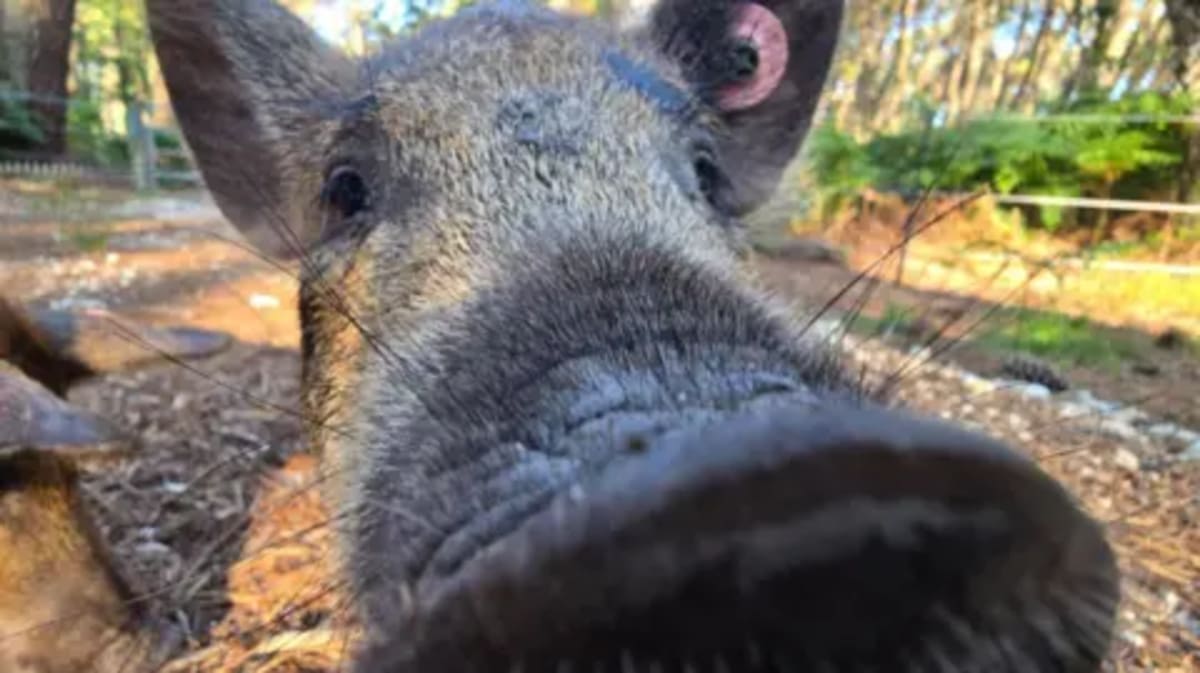
A nature reserve on Brownsea Island just hired two adorable pig landscapers to restore precious heathland habitat. The four-month-old Mangalitsa pigs will use their natural rooting instincts to control invasive bracken and make room for hundreds of plant and animal species to thrive.
Two curly-haired pigs are getting to work on one of Britain's most important wildlife islands, and their messy eating habits might just save an entire ecosystem.
Brownsea Island in Dorset has welcomed two Mangalitsa-cross pigs to help restore 100 hectares of threatened heathland. The four-month-old piglets will naturally dig up bracken that has been choking out native plants and crowding out wildlife.
Dorset Wildlife Trust borrowed the pigs from Salt Pig farm specifically for their incredible foraging skills. As the pigs root around searching for their favorite snacks (roots and underground stems), they turn over soil and clear away dense bracken without any machines or chemicals.
The Mangalitsa breed traces back to 1830s Hungary, where farmers crossed domestic pigs with wild boar. The result is a hardy, intelligent pig covered in thick curly hair that makes them look more like sheep than traditional farm animals.
Right now the piglets are small and settling into their new home on the northwest corner of the island. But they'll eventually grow into 180-kilogram woolly giants with personalities to match their size. Staff already describe them as curious and "slightly cheeky."
Bracken is native to Britain and plays an important role in some habitats. But when it takes over, it creates a dense canopy that blocks sunlight and prevents other plants from growing. This domino effect reduces food sources for insects, birds, and mammals that depend on heathland diversity.
The Ripple Effect
Brownsea Island sits within the Purbeck National Nature Reserve, an internationally protected area that supports rare species found nowhere else. Every square meter of restored heathland creates new homes for butterflies, reptiles, ground-nesting birds, and countless invertebrates.
The pig project represents a growing movement toward conservation grazing, where livestock naturally manage landscapes instead of expensive machinery or herbicides. Other British reserves have successfully used cattle, ponies, and goats to restore habitats while reducing carbon emissions from fuel-powered equipment.
Dorset Wildlife Trust manages the northern section of Brownsea in partnership with the National Trust. Together they're proving that sometimes the best high-tech solution is actually an ancient one: letting animals do what they do best.
These two pigs will spend years transforming their corner of the island, one enthusiastic dig at a time.
More Images

Based on reporting by BBC Science
This story was written by BrightWire based on verified news reports.
Spread the positivity!
Share this good news with someone who needs it