Congo Health Workers Win Trust to Beat Ebola Outbreak
In the Democratic Republic of Congo, health workers are saving lives by listening to communities, not just treating symptoms. Their respectful approach is turning skeptics into partners in the fight against Ebola.
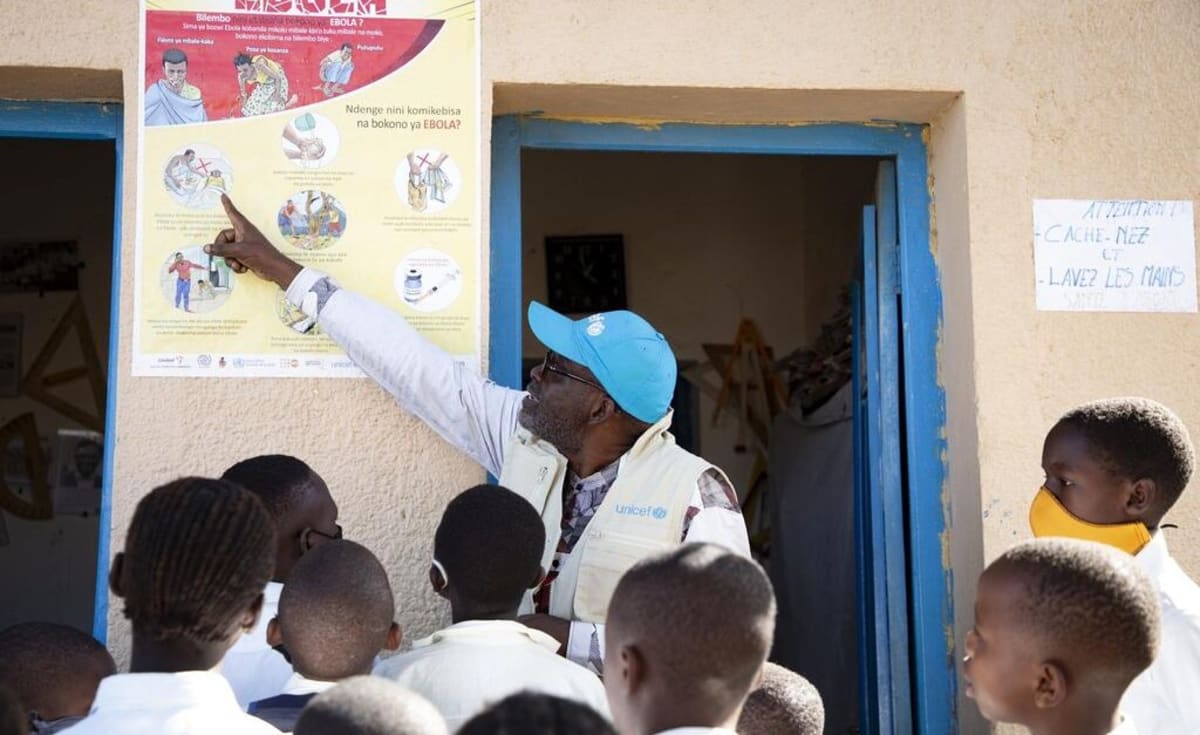
When communities in the Democratic Republic of Congo started questioning whether Ebola was even real, health workers knew they had a bigger challenge than just medicine. They needed to win hearts before they could stop the outbreak.
Since the outbreak began on May 15, six testing locations now operate across DRC's Ituri and Kivu provinces. Another four labs activated in neighboring Uganda where 19 confirmed cases were imported from Congo.
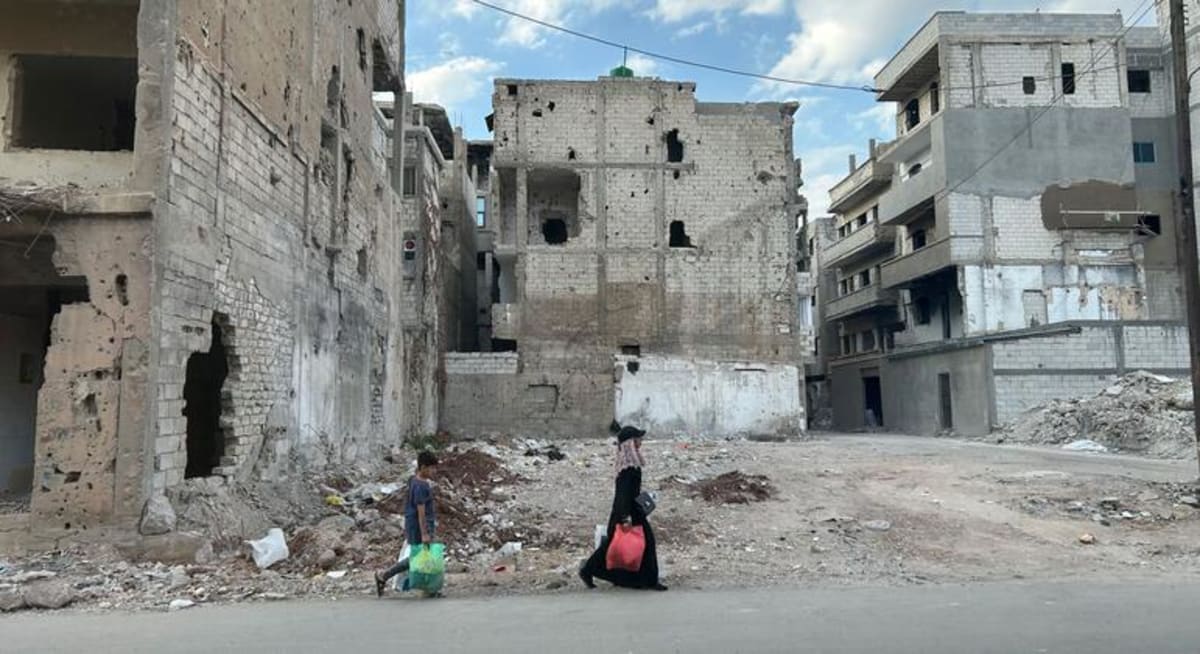
But the real breakthrough came when humanitarians stopped arguing and started listening. In conflict-scarred eastern DRC, where fighting has displaced over 100,000 people, locals had good reasons to distrust outsiders.
Some believed the outbreak was invented to attract foreign aid. Others saw burial protocols as attacks on their culture rather than lifesaving measures.
Bruno Michon from the International Federation of the Red Cross explained the stakes from Bunia, the outbreak's center. When people fear treatment centers, they hide symptoms and stay home with fevers, ashamed to admit illness because of stigma.
Families were burying loved ones according to tradition, not knowing the transmission risks involved. Two treatment centers were even set on fire after misinformation spread on social media.
The Ripple Effect
Health workers transformed their approach by addressing every community concern with respect. When families wanted to see their deceased loved ones, workers introduced body bags with clear windows so grieving could begin properly.
When locals feared chlorine was poison, teams didn't debate. They demonstrated exactly how disinfectants were prepared, step by step, until trust replaced suspicion.
Tarik Jašarević from the World Health Organization acknowledged gaps remain in detecting all transmission chains. But the shift toward community partnership is breaking barriers that medicine alone never could.
The lesson resonates far beyond this outbreak. Trust building takes time and patience, but in fighting infectious disease in vulnerable regions, it's not optional anymore.
Safe burials are now happening with dignity intact. Families report symptoms earlier because they understand treatment centers exist to help, not harm them.
These humanitarians proved that sometimes the most powerful medicine is simply showing up, listening, and honoring the wisdom communities already hold.
Based on reporting by AllAfrica - Health
This story was written by BrightWire based on verified news reports.
Spread the positivity!
Share this good news with someone who needs it