Uganda Leads Relief Effort After Drought Hits 1.5M People
Uganda's government is stepping up to feed 1.5 million people facing hunger in the drought-stricken Karamoja region, launching its largest self-funded relief operation yet. After aid cuts forced international organizations to scale back, the nation is taking ownership of its crisis response.
Uganda is proving that countries can lead their own rescue when crisis strikes. The government just launched emergency food distribution for 1.5 million people in the Karamoja region, where months without rain have left fields barren and communities desperate.
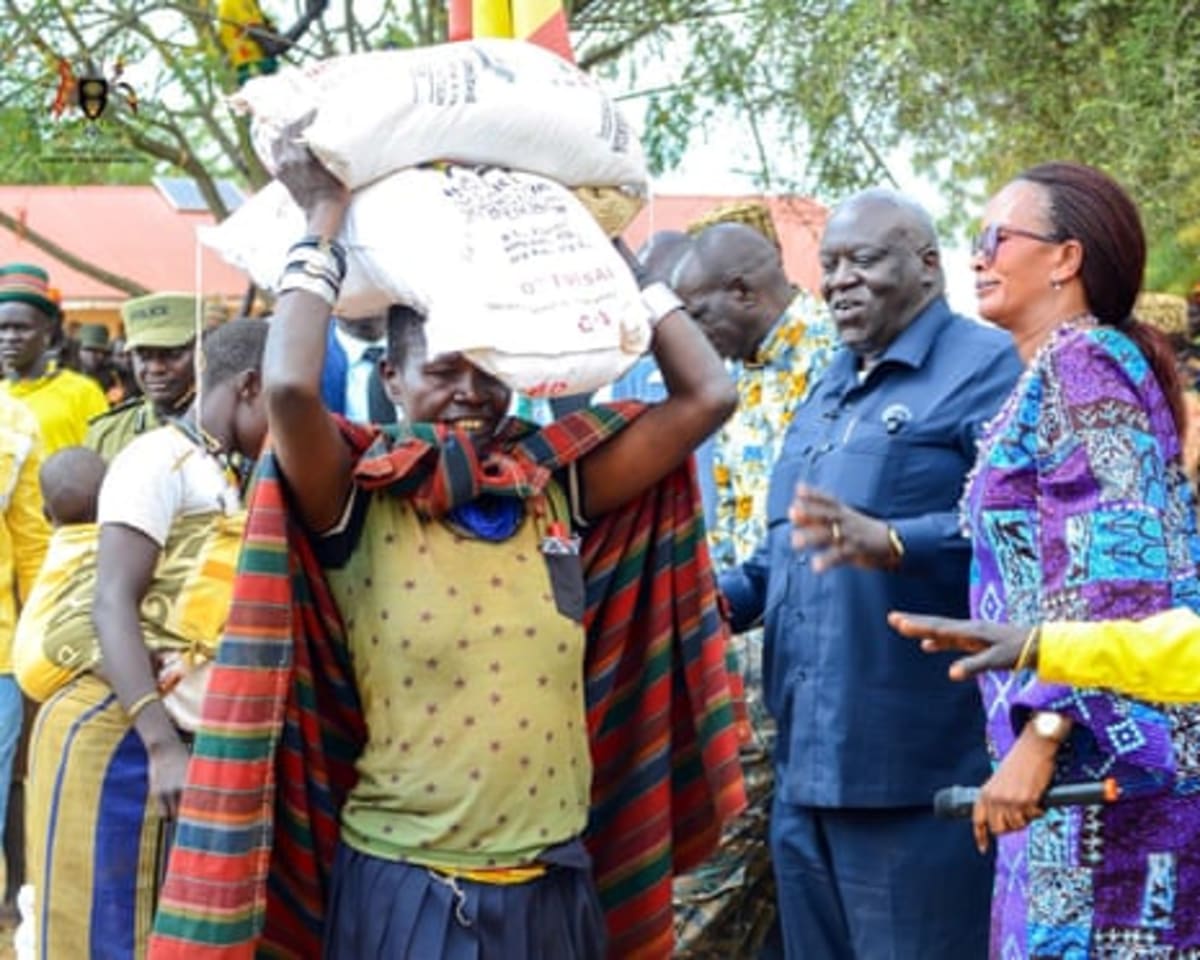
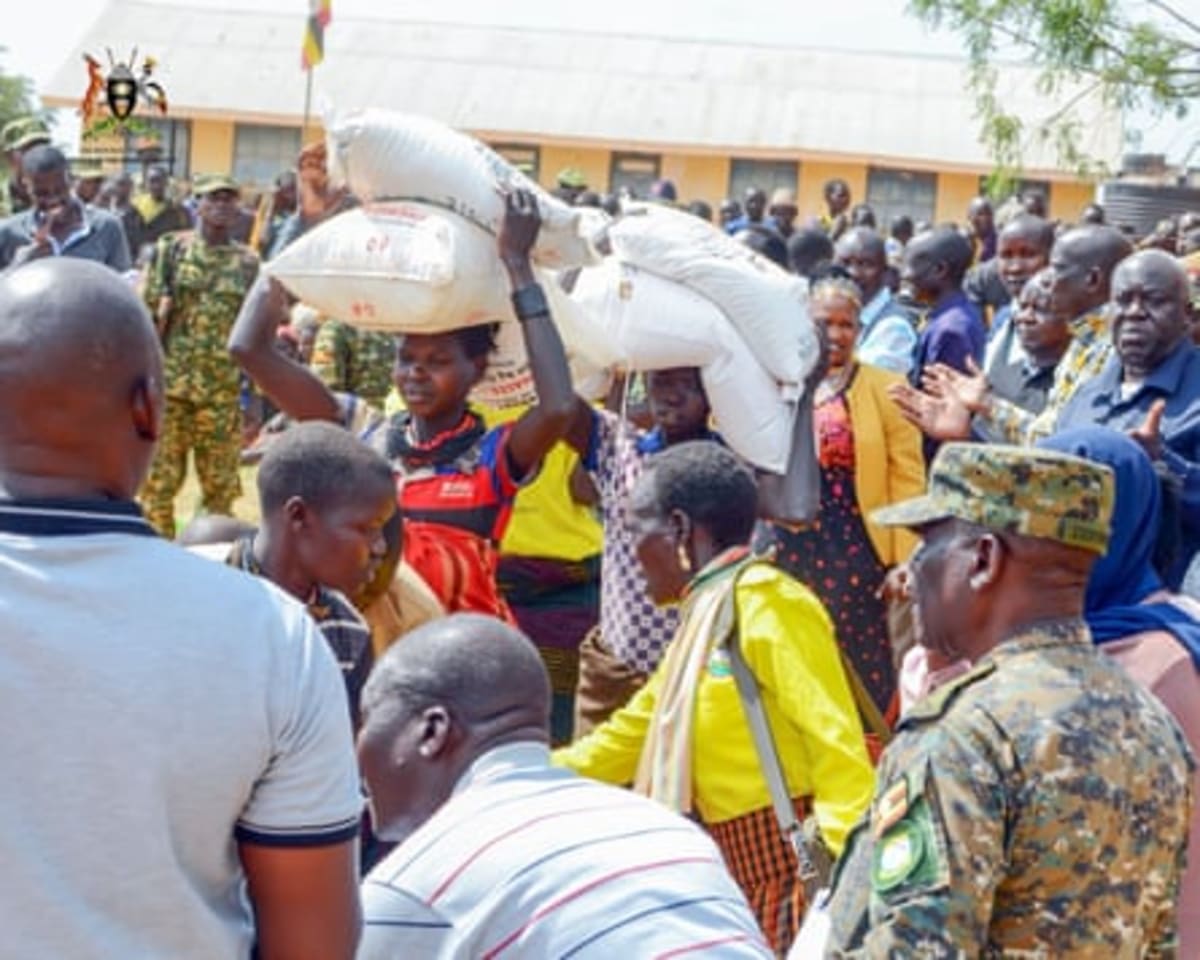
Parliament approved £9 million in emergency funds to distribute 9,400 tonnes of food over the next two months. It's the first large-scale relief operation organized and funded entirely by Uganda itself, filling the gap left when international aid organizations had to dramatically cut back their support.
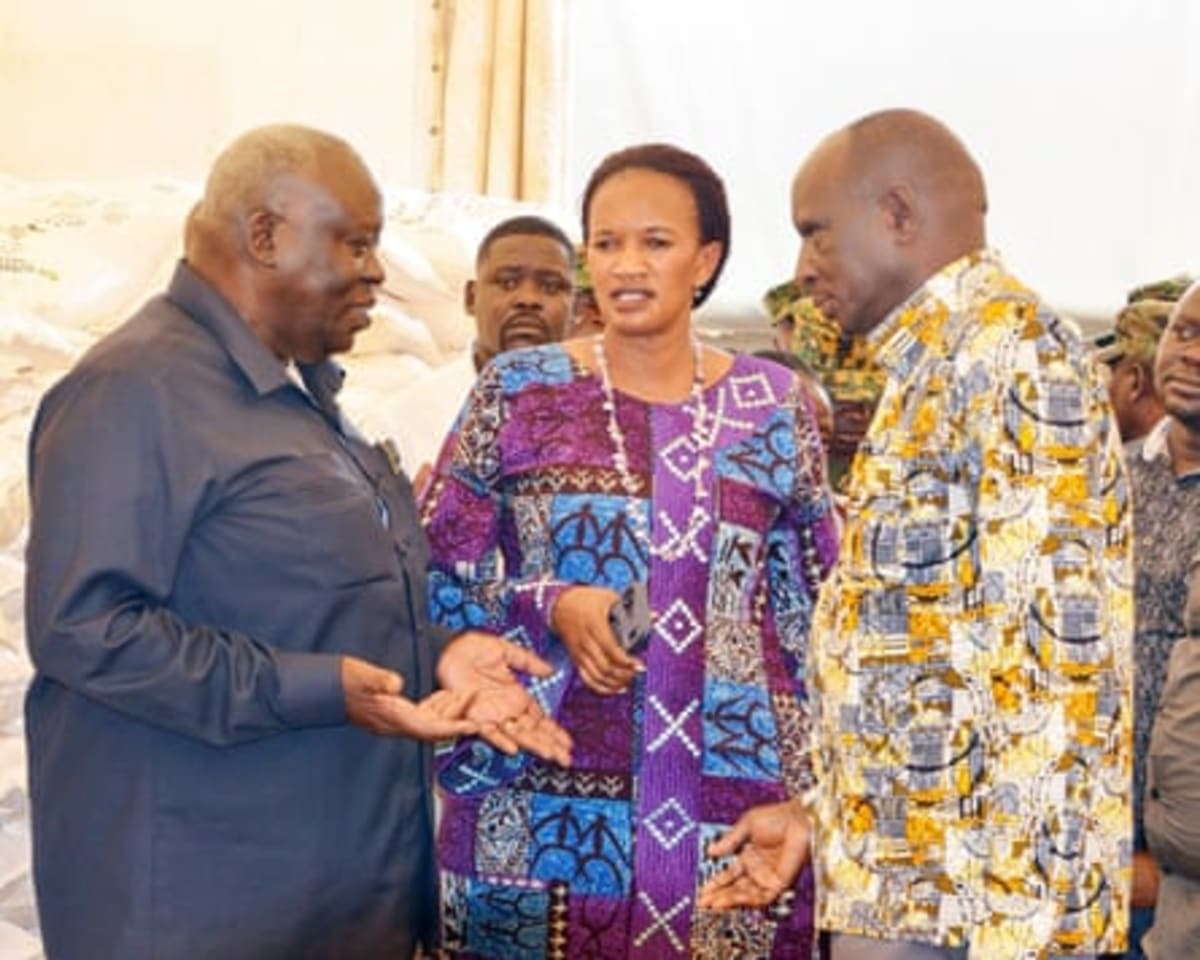
Minister Sam Engola launched the distribution at a primary school in Lodiko, delivering a clear message: no one will be left behind. Teams are now reaching communities across the drought-affected region, bringing relief to families who've been skipping meals for months.
The timing couldn't be more critical. Health facilities have treated hundreds of malnourished children, and nearly half the population in the hardest-hit districts faces crisis-level food shortages. The last meaningful rainfall came in April, right when farmers were planting their crops.
Twenty-one-year-old mother Angelina Nakiru represents thousands facing impossible choices. She works grueling days at a grinding mill crushing rocks for gold ore, earning just enough to buy a cup of maize and beans for her two children. Some nights they still go to bed hungry.
The Ripple Effect
This emergency response signals something bigger than short-term relief. Uganda is building a model for nationally owned disaster response at a time when global humanitarian aid is shrinking. The World Food Programme recently had to cut aid to over 1 million refugees in Uganda due to funding shortages.
The government isn't stopping at emergency handouts. They've approved a comprehensive regional development plan for Karamoja that includes drought-resistant seeds for the next planting season and investments in water infrastructure. The goal is transforming crisis response into long-term resilience.
Agnes Kirabo from Uganda's Food Rights Alliance calls this transition a positive shift toward sustainable development. The region has adequate water resources to achieve food self-sufficiency, but it requires strategic investment and political will.
Experts see the recurring food crises in Karamoja as fundamentally solvable through better water infrastructure, climate-resilient farming, and addressing poverty. The region's challenges stem from environmental factors that smart policy can address, not insurmountable obstacles.
This emergency is saving lives right now while laying groundwork for a future where Karamoja can weather droughts without depending on emergency aid. Uganda is showing what national ownership of development looks like, even in the middle of crisis.
More Images

Based on reporting by Guardian Environment
This story was written by BrightWire based on verified news reports.
Spread the positivity!
Share this good news with someone who needs it