Connecticut Volunteers Give 183,000 Hours to Help Communities
Volunteers across Connecticut donated 183,000 hours in 2025, worth $7 million, connecting neighbors to trusted resources through UConn Extension. Eight volunteer councils bridge the gap between university expertise and real community needs in all 169 towns.
Volunteers across Connecticut are quietly transforming their communities, one garden lesson and 4-H program at a time, and the numbers prove just how much heart they're putting in.
In 2025 alone, Extension volunteers contributed over 183,000 hours to Connecticut communities, valued at $7.02 million. These aren't just impressive statistics; they represent real people helping neighbors learn everything from sustainable gardening to disaster preparedness in all 169 towns across the state.
At the heart of this effort are eight volunteer Extension Councils that connect UConn's research-based knowledge to what communities actually need. Council members serve as trusted voices and liaisons, helping university experts understand local priorities and ensuring programs stay relevant.
Gina Cubbage of Bethel leads the Fairfield County Agricultural Extension Council and sees the mission clearly. "Extension is a place where people can trust our knowledge," she explains. "We're here to make people's lives better."
Cubbage's journey started with a simple roadside sign advertising UConn 4-H. She stopped in out of curiosity and discovered the breadth of what Extension offers. After joining the Master Gardener Program, she accepted an invitation to the council and brought her business analysis background with her.
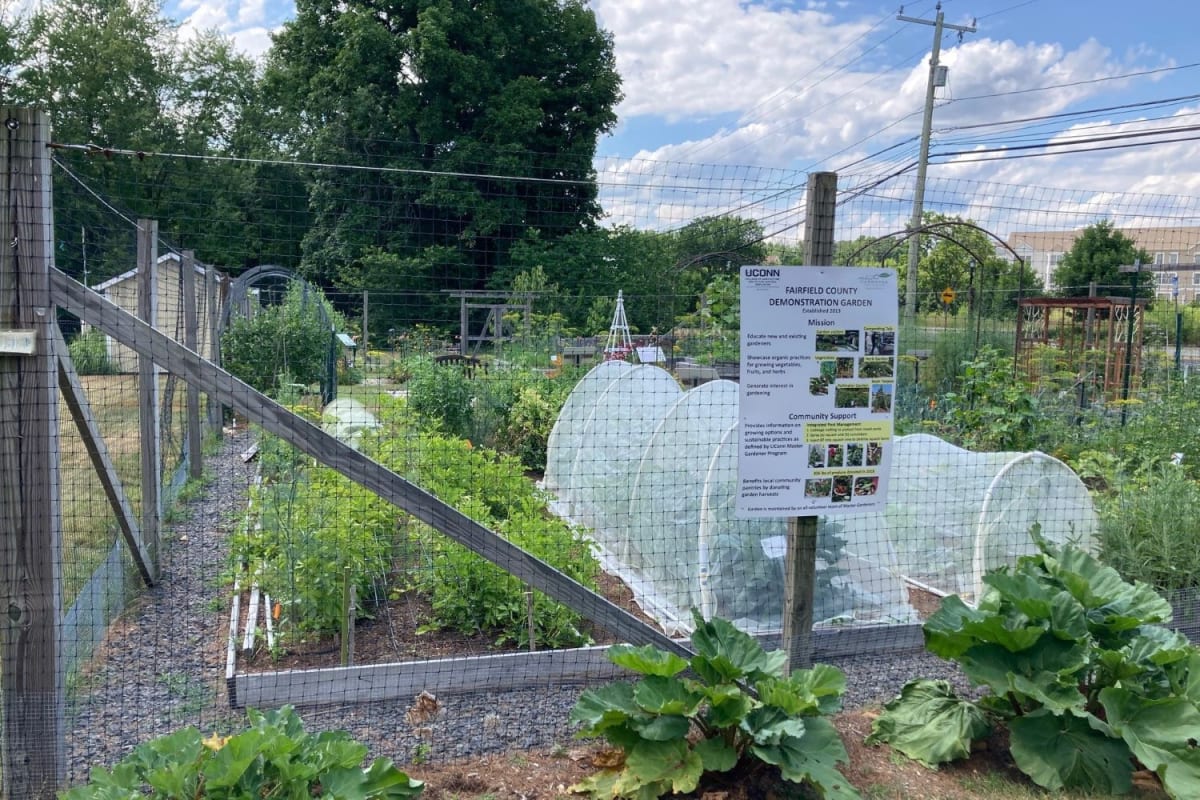
Now she's completing a community assessment to create clearer connections between residents and Extension programs through children's activities, after-school programs, and local events. Her council is also connecting the Master Gardener program to Fairfield County residents who want to learn more about growing their own food.
Council members come from diverse backgrounds including media, education, business, finance, and public relations. This variety helps Extension tap into grants, donations, and networks that university professionals might not reach on their own.
The Ripple Effect
What makes these councils powerful is how they transform university research into neighborhood solutions. Council members identify emerging issues, share feedback from residents, and help professionals understand what matters most, from agricultural challenges to youth development needs.
"Extension Councils provide critical information to UConn about the needs of the community," says Bonnie Burr, assistant director of UConn Extension. "Our thousands of statewide volunteers provide insight about where they live and work to enhance the way UConn engages the public."
The approach has evolved over the century since Cooperative Extension began. "Now, we still share our university expertise, but we've learned that partnering with volunteers and community advocates to solve needs is even more effective for making a positive difference," says associate dean Amy Harder.
For Cubbage, the reward goes beyond the numbers. "Everyone who works with Extension has a community-oriented heart," she says, and that heart is beating strong across Connecticut.
More Images
Based on reporting by Google: volunteers help
This story was written by BrightWire based on verified news reports.
Spread the positivity!
Share this good news with someone who needs it