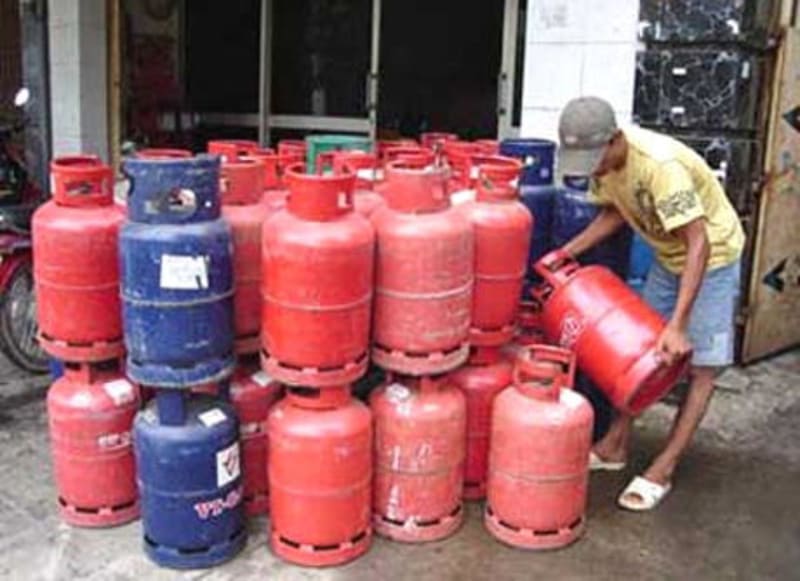
Cooking Gas Prices Drop 40% in Nigeria's Capital
Families in Nigeria's Federal Capital Territory are celebrating as cooking gas prices fall from $1.80 to as low as $1.08 per kilogram, easing pressure on household budgets. The government promises to keep prices stable after resolving supply disruptions that sent costs soaring last year.
After months of watching cooking gas prices climb to painful highs, families in Nigeria's capital can finally breathe a little easier. Liquefied petroleum gas now sells for between 1,080 and 1,400 naira per kilogram across Abuja, down from 1,800 naira just four months ago.
Victoria Ahaneku, a civil servant and mother, says the drop means more than just savings at the store. "Families now have more money to spend on other necessities," she explains, though she hopes prices will fall even further so all Nigerians can afford the cleaner cooking option.
The price spike last September stemmed from strikes at the Dangote Refinery and maintenance work at Nigeria's LNG facilities. Petroleum workers walked off the job, creating supply shortages that sent prices through the roof and forced many families back to expensive charcoal.
Teacher Aisha Abubakar welcomes the relief but worries about the constant up and down. "What Nigerians want is sustained reduction," she says, noting that stable prices would encourage more households to switch to the cleaner fuel source.
The government acted quickly to resolve the crisis, directing regulators to monitor gas depots nationwide and prevent hoarding. Minister Ekperikpe Ekpo worked directly with suppliers to end the industrial action and restore normal operations at key facilities.
The Ripple Effect
Lower cooking gas prices create waves of positive change beyond individual kitchens. Businesswoman Mary Olobeyo points out that when families spend less on essentials, local shops see more customers with money to spare. The economy gains momentum as that freed-up cash flows through communities.
The shift toward gas also protects Nigeria's forests and air quality. Every family choosing gas over charcoal means fewer trees cut down and less smoke filling homes and neighborhoods. Health workers have long warned about respiratory problems linked to indoor cooking smoke, especially affecting children and elderly family members.
Government investment in pipelines and rail distribution could drive prices even lower, suggests Olobeyo. Better infrastructure means cheaper transportation costs, which suppliers can pass along to consumers at the pump.
Adebayo Olurunfemi, a local businessman, applauds the progress while keeping perspective. "The government resolved the depot issues, which is commendable, but families still struggle with high rent, school fees, and other costs," he notes. The cooking gas relief helps, but Nigerians need broader economic support.
Public servant Charity Samuel sees the price drop as proof the government can deliver when it acts decisively. "Many families rely on cooking gas because it's the cleanest option," she says. "Making it affordable helps everyone."
For now, households across Abuja are enjoying the savings and hoping the trend continues downward.
Based on reporting by Vanguard Nigeria
This story was written by BrightWire based on verified news reports.
Spread the positivity!
Share this good news with someone who needs it