Coral Reefs May Hold Key to New Antibiotics and Cancer Drugs
Scientists discovered over 4,000 microbial species in coral reefs, with 99% previously unknown to science, potentially unlocking new antibiotics and cancer treatments. This underwater "molecular goldmine" could revolutionize medicine while giving us another crucial reason to protect these threatened ecosystems.
Beneath the ocean's surface lies a medical breakthrough we never knew existed, and it's racing against time.
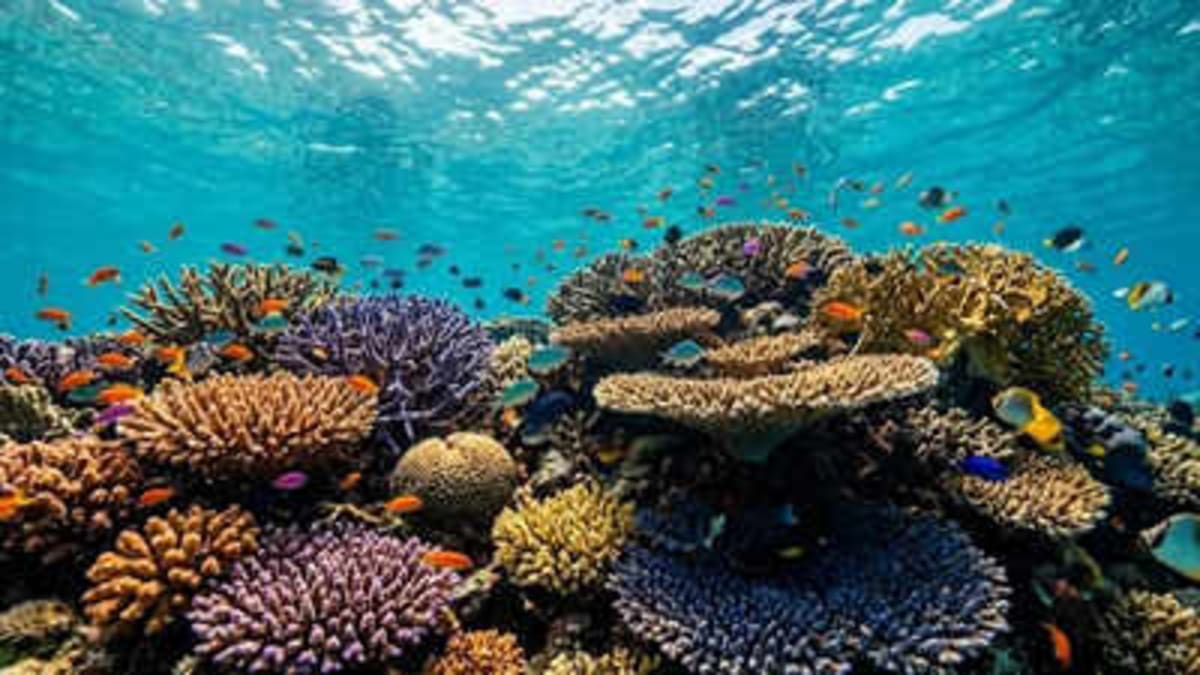
An international research team studying 99 coral reefs across 32 Pacific islands has discovered more than 4,000 microbial species living within these colorful ecosystems. The stunning part? Nearly 99% of these tiny organisms were completely unknown to science until now.
These microbes aren't just interesting from a scientific perspective. They produce specialized chemical compounds that help corals fight off diseases and survive harsh ocean conditions, and researchers believe these same compounds could help humans battle antibiotic-resistant infections and cancer.
The University of Galway led the groundbreaking study as part of the Tara Pacific expedition, analyzing 5,000 samples from reef locations across the Pacific Ocean. Using advanced genetic sequencing, they reconstructed the DNA blueprints of these coral-dwelling microbes and identified 645 completely new microbial genomes.
Think of coral reefs as nature's pharmacy, developed over millions of years. These microbes evolved complex chemical defenses to thrive in competitive underwater environments, and those defenses work remarkably similar to how human medicines interact with bacteria and viruses.
Why This Inspires
This discovery proves that nature still holds countless solutions to our most pressing medical challenges. At a time when antibiotic resistance threatens to make common infections deadly again, coral reefs offer hope we didn't know we had.
The research also connects two urgent issues: protecting ocean ecosystems and advancing human health. Every reef lost to rising ocean temperatures could mean losing a unique chemical compound before scientists even discover its potential to save lives.
The researchers emphasize that this vast microbial diversity depends entirely on healthy coral hosts. As climate change stresses reefs worldwide, we're not just losing beautiful underwater landscapes but potentially life-saving medicines that haven't been developed yet.
Scientists are now working to understand each microbe's specific role, creating a genetic database that could guide future medical research and environmental restoration efforts. This knowledge base represents years of research compressed into actionable insights that pharmaceutical researchers and environmental scientists can use immediately.
The timing couldn't be more critical. With coral reefs facing unprecedented threats from warming oceans, this discovery adds urgency to conservation efforts while offering tangible benefits that extend far beyond ocean health.
What started as an expedition to study ocean biodiversity has become a race to unlock medical secrets before they disappear forever, proving once again that protecting nature means protecting ourselves.
More Images



Based on reporting by Google News - Scientists Discover
This story was written by BrightWire based on verified news reports.
Spread the positivity!
Share this good news with someone who needs it