Cornell Scientists Crack Fungi Code for Greener Future
Researchers discovered how fungi sense and use nutrients, opening doors to fighting crop diseases and creating eco-friendly fuels. This breakthrough could save millions of lives and transform agricultural waste into useful products.
Scientists at Cornell University just figured out how fungi decide what to eat, and it could change everything from fighting deadly infections to creating clean energy.
The research team identified a protein called Cbr1 in a yeast fungus that acts like a master switch, controlling how the organism breaks down complex plant sugars into usable food. Think of it as discovering the control panel that tells fungi when to feast on different types of nutrients.
This matters because fungal diseases destroy up to 20% of the world's staple crops every year, and drug-resistant fungal infections kill roughly 3.8 million people globally each year. Understanding how fungi sense and respond to food gives scientists new targets for stopping these deadly organisms.
But here's where it gets exciting. The yeast they studied, called Rhodotorula toruloides, can store up to 70% of its body weight as oils and fats. Scientists are already working to engineer these yeasts to turn agricultural waste and grasses from unused land into environmentally friendly plastics and biofuel.
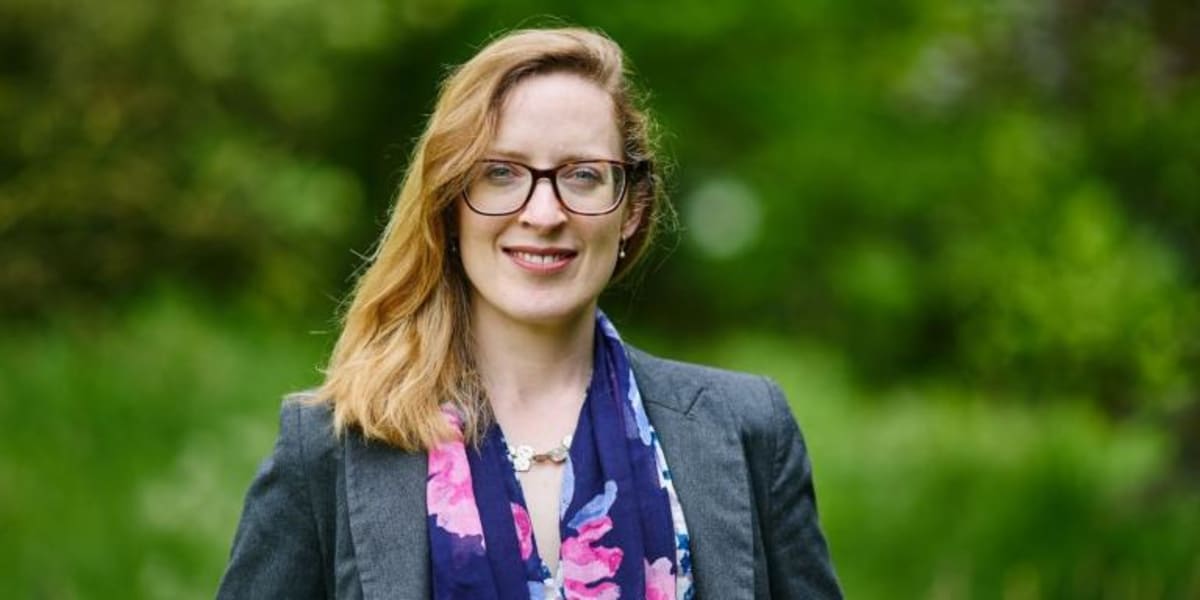
"We can give them waste and they can utilize that," said Lori Huberman, assistant professor at Cornell and lead researcher on the study. Her team discovered that Cbr1 not only helps break down plant sugars but also overrides the fungus's normal preference for simple sugars, allowing it to keep eating complex ones.
The researchers found something clever: fungi normally ignore certain plant sugars when their favorite food, glucose, is available. But Cbr1 breaks this pattern, letting the organism efficiently consume everything available. It's like teaching someone to enjoy all the food on their plate instead of just picking out their favorites.
The team used advanced gene-reading techniques to watch what happens inside engineered strains of the yeast. They tracked which genes turned on and off as the fungus encountered different food sources.
The Ripple Effect
This discovery reaches far beyond the lab. Fungi play a crucial role in nature as decomposers, breaking down dead plants and returning nutrients to soil. Better understanding of these processes helps scientists protect environmental nutrient cycles that keep ecosystems healthy.
For farmers struggling with crop losses, this research points toward new ways to control fungal diseases without relying solely on chemical treatments that pathogens increasingly resist. For people facing life-threatening fungal infections, it offers hope for new treatment approaches.
The biotechnology applications are equally promising. Agricultural waste that currently goes unused could become feedstock for creating sustainable alternatives to petroleum products. Grasses grown on land unsuitable for food crops could fuel this green revolution.
The National Institutes of Health funded the study, which appeared in the journal PLOS Biology in September. The research team included graduate student Brandon Reyes-Chavez and postdoctoral associate Joshua Kerkaert from Huberman's lab.
Understanding nature's smallest recyclers is helping us build a cleaner, healthier future for everyone.
Based on reporting by Google News - Tech Breakthrough
This story was written by BrightWire based on verified news reports.
Spread the positivity!
Share this good news with someone who needs it