Cosmic Rays Help Mining Find Minerals Underground
Mining companies are using subatomic particles from space to map precious minerals deep underground, making extraction safer and more efficient. The breakthrough could help meet surging demand for copper and other critical minerals needed for clean energy.
Scientists have figured out how to use cosmic rays from distant supernovas to see through solid rock and find valuable minerals buried thousands of feet underground.
Mining companies face a massive challenge. Demand for copper and critical minerals could triple by 2030 as the world transitions to clean energy, but finding new deposits takes decades. The solution might be hiding in plain sight, raining down from space.
British Columbia startup Ideon Technologies has developed a way to use muons—tiny particles created when cosmic rays slam into Earth's atmosphere—to create X-ray-like images of what's buried underground. Co-founder Gary Agnew calls it "the first net new geophysical technique in literally decades."
The technology works like a medical CT scan for the Earth. Muons constantly shower down from space, passing through rock at different speeds depending on what they encounter. By placing detectors underground, Ideon can map mineral deposits and rock formations without drilling thousands of expensive test holes.
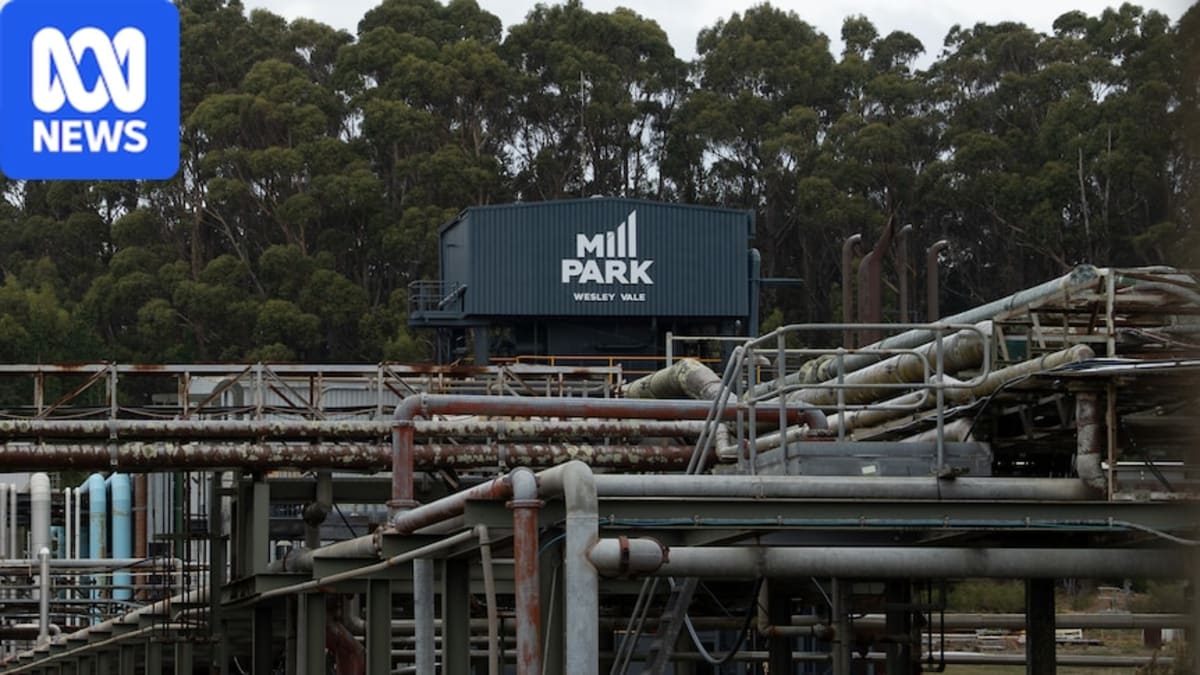
The timing couldn't be better. Rio Tinto's Kennecott Mine near Salt Lake City, operating since 1903, produced 134,000 metric tons of copper last year. That sounds impressive until you realize global copper shortfalls could hit eight million tons by 2035.
Traditional mineral exploration relies on educated guesses from surface clues. Out of every 1,000 potential mining sites explored worldwide, fewer than five become productive mines. New discoveries can take 29 years in the U.S. to go from finding minerals to actually producing them.
The innovation proves especially valuable for block caving, a mining method that uses gravity to crush ore underground. Engineers create artificial caverns below mineral deposits, then let the rock collapse and funnel downward naturally. It's cheaper than other methods and leaves less mess on the surface, but requires knowing exactly how rock is fracturing deep underground.
Block caving operations can cost over $10 billion to develop and face catastrophic risks from collapses or flooding. Muon detectors give engineers continuous, high-resolution maps of the constantly changing underground environment, helping prevent disasters and improve efficiency.
The Ripple Effect
The cosmic ray technology doesn't just help existing mines work better. Companies like Earth AI and KoBold Metals are combining muon mapping with artificial intelligence to analyze decades of geological data, leading to new copper and palladium discoveries.
Better subsurface mapping means less trial-and-error drilling, lower costs, and safer working conditions for miners. It could help older mines extend their productive lives by going deeper underground rather than expanding destructive open-pit operations on the surface.
The breakthrough arrives as the International Energy Agency estimates annual production of critical minerals needs to increase sixfold to meet climate goals by 2050.
Space is helping us find what we need right beneath our feet.
More Images




Based on reporting by Scientific American
This story was written by BrightWire based on verified news reports.
Spread the positivity!
Share this good news with someone who needs it