MIT's New Method Could Make Lithium Extraction Cheaper
Scientists at MIT have discovered a way to extract lithium using simple chemistry inspired by glass etching cream, potentially making electric vehicle batteries more affordable while reducing environmental harm. The process could cut costs below $6,000 per ton and eliminates the need for dangerous chemicals or energy-intensive furnaces.
A bathroom renovation project 25 years ago just sparked a breakthrough that could transform how we power electric vehicles and store clean energy.
MIT researchers have developed a new way to extract lithium from rock that's cheaper, cleaner, and surprisingly simple. The secret ingredient? The same weak acid found in craft store glass etching cream.
Professor Yet-Ming Chiang was remodeling his Massachusetts shower when he first encountered the cream. Years later, while working on a cement project, he remembered it. That memory led his team to discover that ammonium fluoride, a weak acid, can dissolve silicate minerals and free the lithium trapped inside without producing dangerous byproducts.
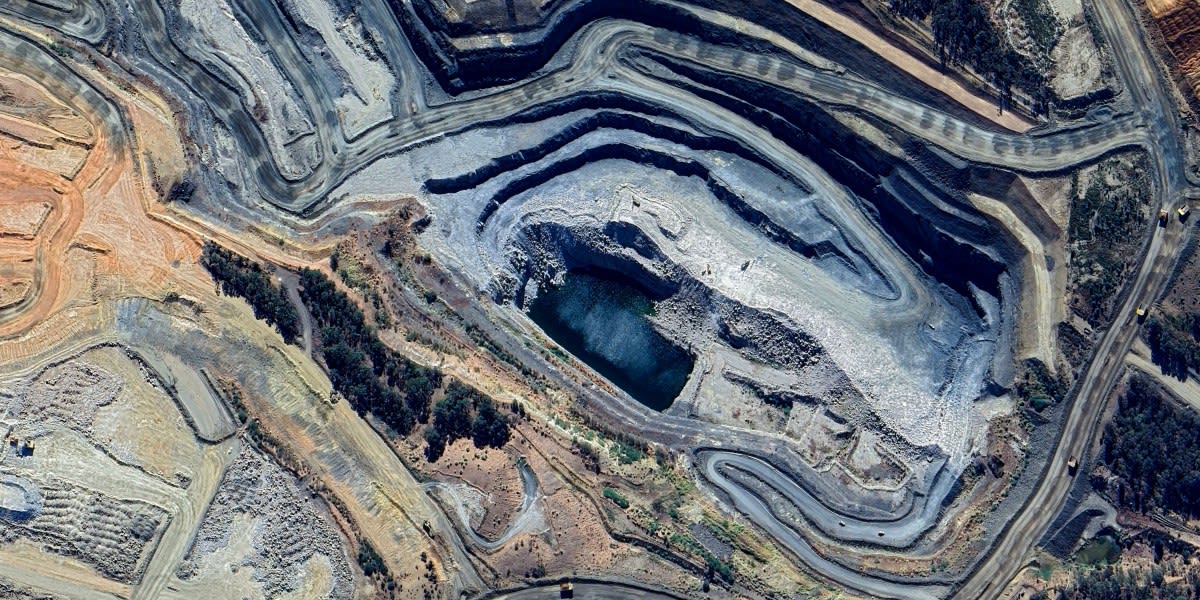
The timing couldn't be better. Today's lithium extraction methods have serious drawbacks. Brine extraction requires massive evaporation pools covering vast areas. Hard-rock mining blasts apart ore bodies, then cooks them at scorching temperatures using hazardous chemicals.
The new process works in simple plastic tanks at temperatures under 200°F. No giant kilns. No hydrofluoric acid, one of the most dangerous chemicals in existence. The team can now extract nearly all the lithium from spodumene ore in under 12 hours.
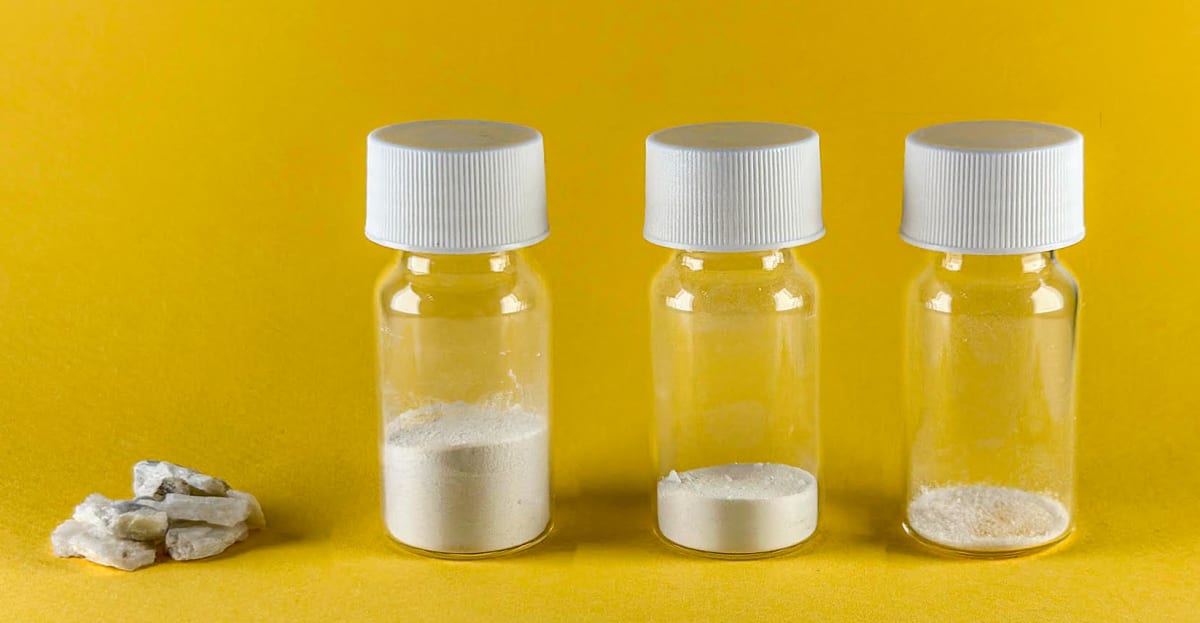
Even better, nothing goes to waste. The process produces lithium carbonate for batteries, alumina for making aluminum, and silica for concrete. The acid gets recycled back into the system. Chiang calls it "nose-to-tail" mining, using every bit like a butcher uses every part of an animal.
The researchers estimate their method will extract lithium for less than $6,000 per metric ton once scaled up. That beats current hard-rock mining costs and could compete with brine extraction.
The Ripple Effect
Lower lithium costs mean more affordable electric vehicles for families trying to go green. It means cheaper energy storage systems that help solar and wind power work around the clock. And it opens up ore deposits that current roasting methods can't handle, expanding the world's usable lithium supply.
A startup called Rock Zero is now racing to commercialize the discovery. They're designing a pilot plant to begin operations in 2027, with mining industry partners already in talks.
The three-kilogram batches in their Cambridge lab are just the beginning. Within a few years, this shower renovation inspiration could be powering the clean energy transition at a price point that works for everyone.
Sometimes the biggest breakthroughs come from remembering the simplest solutions.
More Images
Based on reporting by MIT Technology Review
This story was written by BrightWire based on verified news reports.
Spread the positivity!
Share this good news with someone who needs it