First Advanced Nuclear Reactor Breaks Ground in Tennessee
A California energy company just broke ground on America's first advanced nuclear reactor in Oak Ridge, Tennessee. The safer, next-generation plant will power Google data centers with carbon-free energy by 2030.
America is getting its first advanced nuclear reactor, and it promises to make clean energy safer and more affordable than ever before.
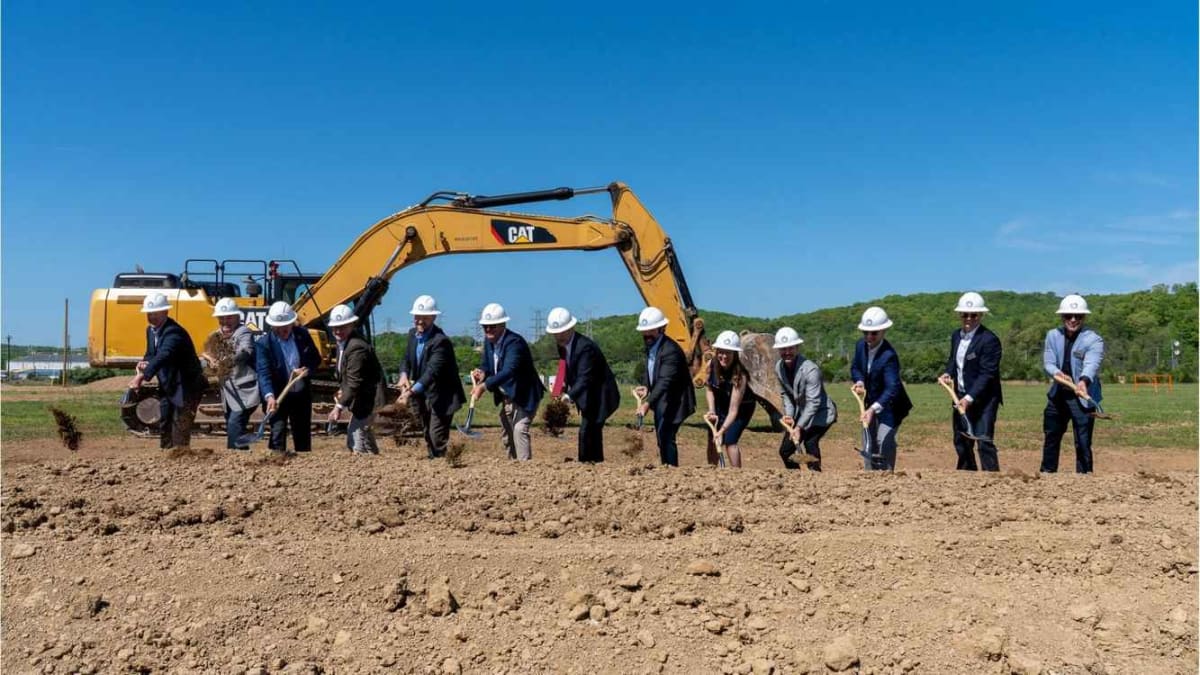
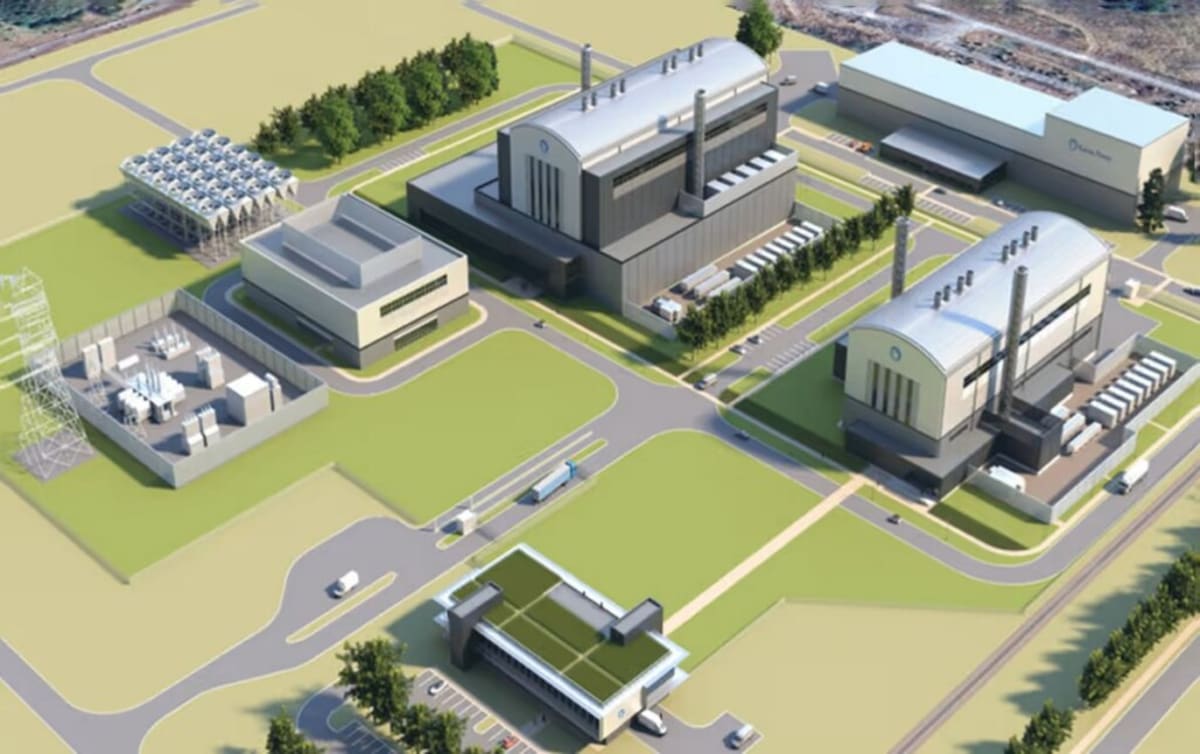
Kairos Power broke ground on the Hermes 2 plant in Oak Ridge, Tennessee, marking a historic step forward for nuclear technology. The facility will come online in 2030 to power Google data centers across the Tennessee and Alabama region without adding carbon to the atmosphere.
The company spent over a decade developing this breakthrough design in partnership with federal regulators. Their small modular reactor uses molten salt instead of pressurized water, eliminating one of the biggest risks in traditional nuclear plants: high-pressure explosions like the one at Fukushima in 2011.
The fuel itself is revolutionary too. Instead of standard uranium rods, Hermes 2 will use TRISO fuel, a poppy seed-sized uranium kernel wrapped in protective layers of ceramic and graphite. This next-generation fuel can withstand much higher temperatures and contains radiation even during accidents.
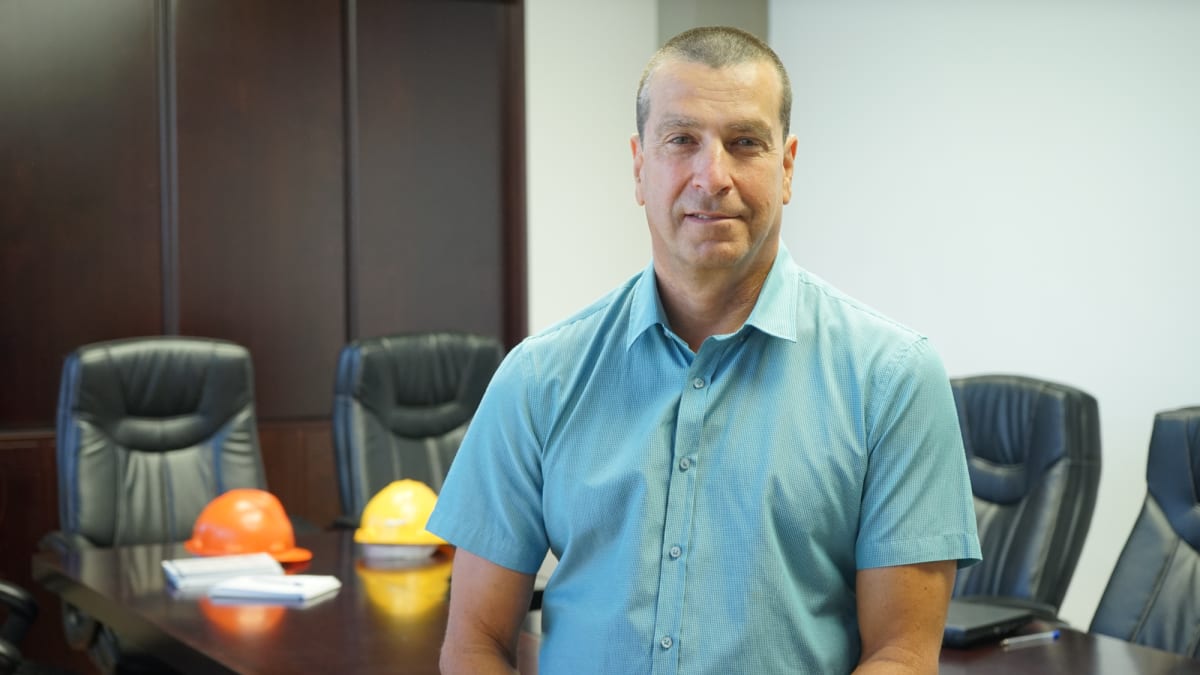
"For nuclear projects to be successful, we need more than just the right technology," said Mike Laufer, Kairos founder and nuclear engineer. "We need to understand every aspect of project delivery."
The timing couldn't be better. Artificial intelligence and cloud computing are driving massive increases in electricity demand, and nuclear offers the only carbon-free power source that can run 24/7 regardless of weather. Google signed on as the anchor customer, committing to purchase 50 megawatts of clean energy from the plant.
This matters for Tennessee residents too. The state recently passed a law protecting ratepayers from shouldering the cost of powering massive data centers. Google's investment in Hermes 2 helps meet that requirement while keeping electricity bills stable.
The Ripple Effect
Beyond powering Google's operations, Hermes 2 represents a fresh start for American nuclear energy. The technology addresses decades-old safety concerns that stalled innovation after disasters at Chernobyl and Three Mile Island scared the public away from nuclear power.
China already proved this molten salt technology works. Their reactor successfully demonstrated that if power fails completely, the system cools itself naturally without any human intervention. No emergency systems needed, no backup generators required.
"Lessons from the development and operation of the Hermes 2 plant will help drive down the cost of future reactors," said Amanda Peterson Corio, Google's Global Head of Data Center Energy. Each new plant built will be cheaper and faster to construct than the last.
The partnership between tech companies, energy innovators, and local communities shows how America can tackle climate change while meeting growing energy needs. As data centers multiply and AI advances, solutions like Hermes 2 prove we don't have to choose between progress and sustainability.
America's aging nuclear fleet is getting a much-needed upgrade, and Tennessee is leading the way into a cleaner energy future.
More Images



Based on reporting by Good News Network
This story was written by BrightWire based on verified news reports.
Spread the positivity!
Share this good news with someone who needs it