Oman's $1.6B Solar Factory Opens to Challenge China
A massive new solar manufacturing plant in Oman just secured full funding and started production, offering the world an alternative source for a critical solar panel ingredient. The factory will create thousands of jobs while helping diversify the global solar supply chain away from its heavy reliance on China.
The world's solar energy future just got a major boost from an unexpected place.
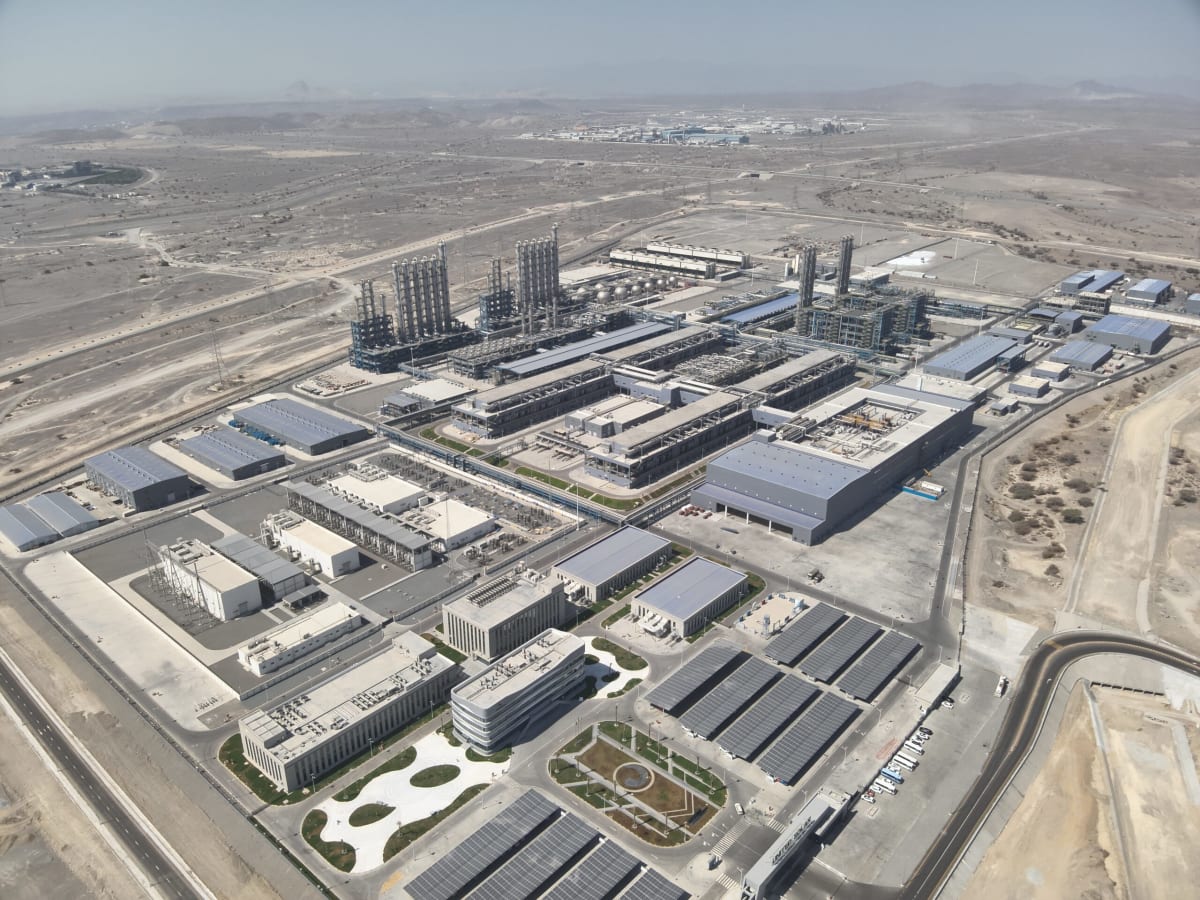
United Solar completed $1.6 billion in funding for its new polysilicon factory in Oman, with the final $50 million coming from the International Finance Corporation. The plant already started operations earlier this year after a 22-month construction sprint.
Polysilicon is the essential ingredient for solar panels, but there's a problem. China currently dominates its production, and concerns about forced labor in the Xinjiang region have triggered import restrictions from the United States and Europe.
This new Oman facility changes that equation. Once it reaches full capacity by the end of 2026, it will produce 100,000 metric tons of polysilicon annually. That's enough to make 40 gigawatts worth of solar panels, powering millions of homes with clean energy.
The funding came from diverse sources showing global commitment. The IFC mobilized 30% of the total capital, providing $480 million in long-term debt plus the equity investment. Middle Eastern banks added $400 million, and Oman's sovereign wealth fund kicked in $260 million.
United Solar built the factory specifically to offer fully traceable polysilicon that major manufacturers can trust. It meets Foreign Entity of Concern regulations that currently limit Chinese solar imports to the United States.
The Ripple Effect
This isn't just about solar panels. The project delivers economic transformation for Oman, creating thousands of jobs and attracting foreign investment to a nation working to build its economy beyond oil.
The facility gives solar manufacturers worldwide a reliable second option for their supply chains. More sources mean more resilience, which means faster progress on clean energy goals without geopolitical bottlenecks.
Other countries are watching closely. As trade restrictions potentially expand, having production facilities outside China becomes crucial for meeting global climate commitments.
The timing couldn't be better. The United States is investigating polysilicon imports under Section 232 rules, with policy changes expected in August. Solar manufacturers need alternatives now, and Oman is delivering.
A small nation on the Arabian Peninsula just became a major player in the global race toward renewable energy.
More Images


Based on reporting by PV Magazine
This story was written by BrightWire based on verified news reports.
Spread the positivity!
Share this good news with someone who needs it