Costa Rica Adds First Seismic Station to Remote Island
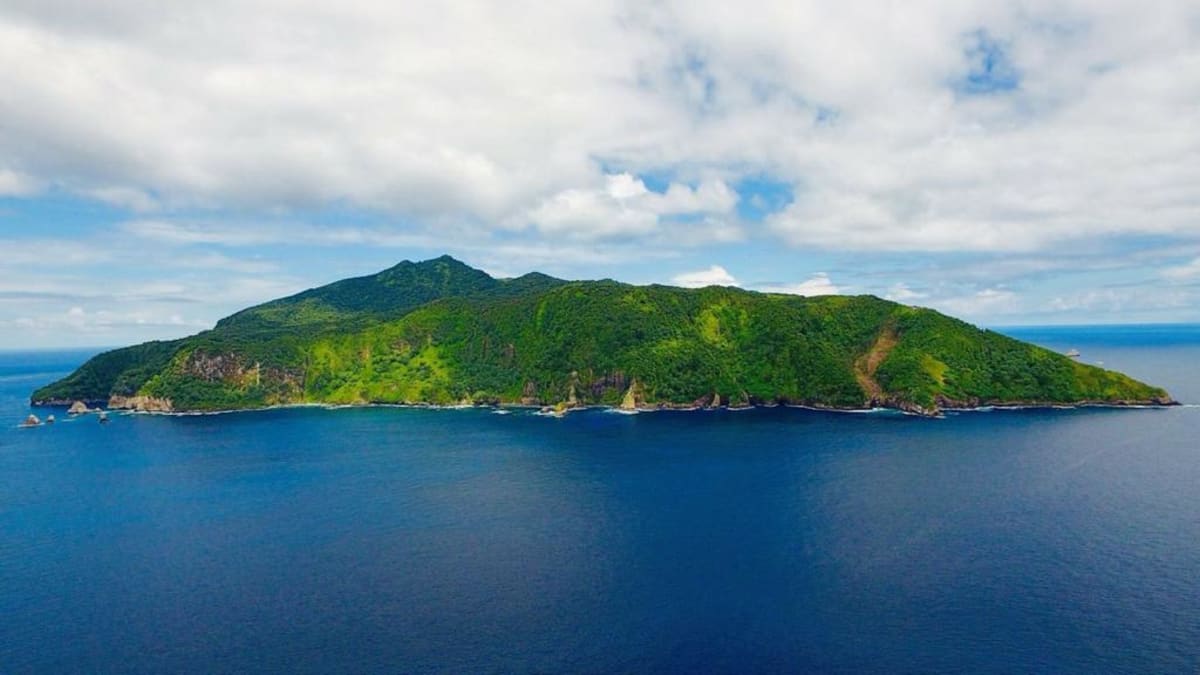
Scientists just installed Costa Rica's first permanent earthquake monitoring station on Isla del Coco, a remote Pacific island 340 miles offshore. The new technology is already detecting tremors across Central America with unprecedented precision.
Costa Rica can now track earthquakes from one of the most remote spots in its territory, thanks to a groundbreaking seismic station on Isla del Coco.
Researchers from the National University's Volcanological and Seismological Observatory installed the first permanent earthquake monitoring equipment on the tiny Pacific island, located 340 miles southwest of the mainland. The station, called ISCO, gives scientists a critical observation point in open ocean where they've never had coverage before.
The timing couldn't be better. Costa Rica sits in one of the world's most seismically active regions, where tectonic plates meet and shift beneath the Pacific Ocean. Until now, nearly all monitoring stations were clustered on the mainland, leaving scientists with blind spots when earthquakes struck offshore.
The new station changes that equation completely. Within days of installation, it detected a 5.3 magnitude earthquake near the Osa Peninsula and a 4.8 magnitude tremor in El Salvador. Those early successes showed the system works exactly as hoped, capturing seismic events across Central America and the eastern Pacific.
The island's remote location turns out to be its biggest advantage. Scientists can now triangulate earthquake epicenters with much greater accuracy by comparing data from the mainland stations with readings from Isla del Coco. That means faster, more precise reports when the ground starts shaking.
The equipment is sensitive enough to detect tiny vibrations from earthquakes while filtering out background noise from waves, wind and rain. It's paired with advanced GPS technology that tracks how the island itself moves over time, helping researchers understand the slow-motion dance of tectonic plates beneath the surface.
The Ripple Effect
Better earthquake data doesn't just help Costa Rica. The new station strengthens monitoring across the entire Central American region, giving neighboring countries access to more complete information when seismic events strike.
The technology also expands Costa Rica's scientific footprint on Isla del Coco, already famous as a UNESCO World Heritage Site and national park. Now the island serves double duty as both a conservation treasure and a window into the Earth's restless geology.
Scientists are careful to note that the station won't predict earthquakes. No technology can do that yet. But it dramatically improves detection speed and accuracy, helping communities understand what happened the moment the shaking stops.
For a country where earthquakes are simply part of life, that added knowledge brings real peace of mind. Costa Rica now has eyes on its seismic activity from coast to coast and hundreds of miles into the Pacific, turning a geographic challenge into a scientific strength.
More Images




Based on reporting by Tico Times Costa Rica
This story was written by BrightWire based on verified news reports.
Spread the positivity!
Share this good news with someone who needs it