Costa Rica Airport Gets Biometric Gates This Month
San José's main airport is rolling out automated immigration gates by the end of July, cutting wait times for travelers with biometric passports. The technology lets passengers scan their passport and face, then walk through without stopping at a desk.
Travelers passing through Costa Rica's busiest airport will soon breeze through immigration in seconds instead of waiting in long lines.
Juan Santamaría International Airport in San José is adding biometric gates by the end of July, starting with six automated checkpoints that read passports and scan faces. The system, already common in airports across Europe and Asia, lets eligible passengers verify their identity and walk through without talking to an immigration officer.
Here's how it works: travelers scan their biometric passport, look into a camera, and wait a few seconds while the system matches their face to the photo stored in their passport chip. If everything checks out, the gate opens automatically. If the system flags something unusual, a human officer steps in to help.
The first phase targets Costa Rican citizens who already have biometric passports, since their facial data is embedded in the chip. No registration needed. A second phase will open access to Costa Ricans with older passports, though they'll need to preregister once before using the gates.
Foreign travelers will stick to traditional immigration lines for now, though the airport may eventually expand the system to include visitors with biometric documents. No timeline has been announced for that expansion.
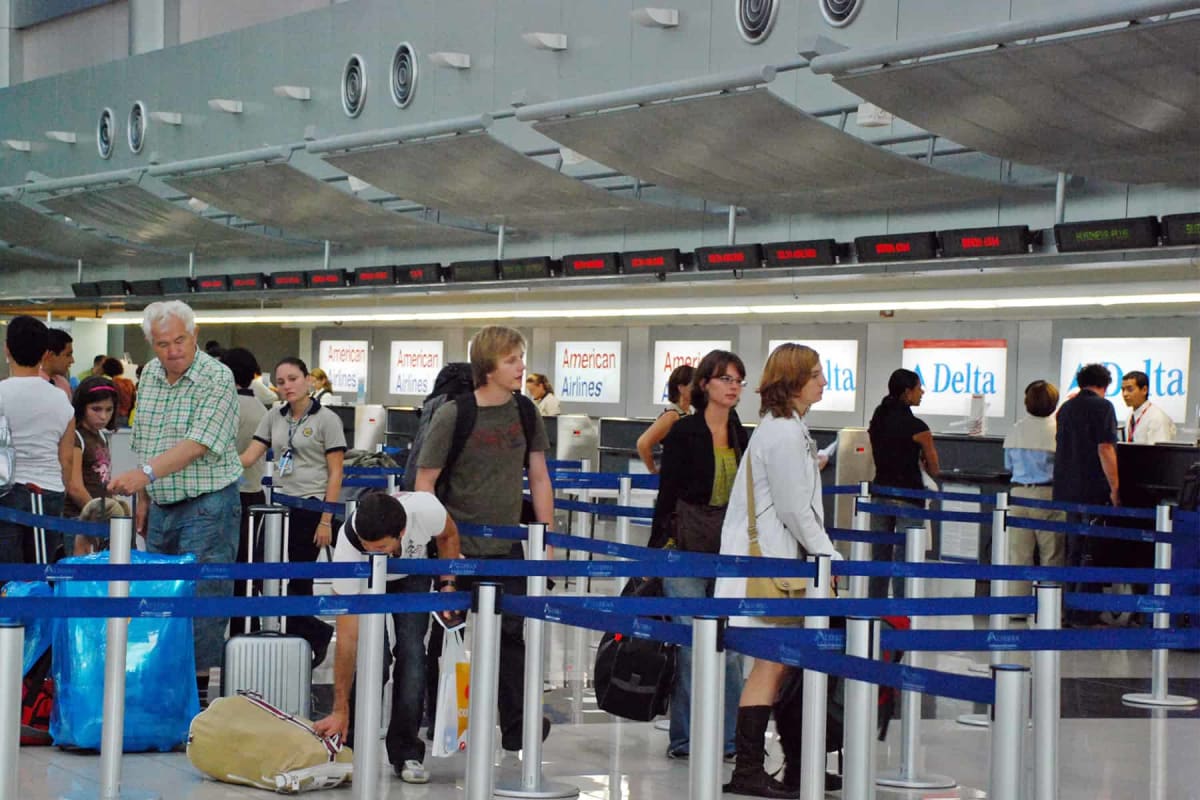
The upgrade follows two years of testing and addresses one of the airport's biggest pain points: crowded immigration halls during peak travel hours. Four gates will go in the arrivals area, where international passengers enter Costa Rica, and two in departures for people leaving the country.
The Ripple Effect
Faster processing means shorter lines for everyone, even travelers who can't use the biometric gates yet. When some passengers move through automated checkpoints, immigration officers can focus more attention on people who need extra help or have questions.
The technology also sets the stage for future improvements. As more Costa Ricans renew their passports and get the biometric version, more people will qualify for the faster option. And if the system eventually opens to foreign visitors, it could make Costa Rica more attractive to tourists who value smooth, efficient travel experiences.
For a country that welcomed over three million visitors in 2025, small improvements in airport flow can add up to big differences in how people remember their trip.
Travelers using the biometric gates will still go through the same security checks as everyone else, just faster and with less paperwork. Costa Rica isn't cutting corners on border control. It's just using smarter tools to do the same job better.
More Images




Based on reporting by Tico Times Costa Rica
This story was written by BrightWire based on verified news reports.
Spread the positivity!
Share this good news with someone who needs it