Costa Rica Brings English Classes to 2,000 Rural Students
More than 2,000 children in rural Costa Rica are now learning English through live video lessons connecting them with specialized teachers they wouldn't otherwise have access to. The Hummingbird program has tripled in size, reaching 100 remote schools where traditional English instruction was impossible.
Children in Costa Rica's smallest mountain schools are now chatting with English teachers in real time, even though the nearest qualified instructor might be hours away.
The Hummingbird program connects over 2,000 rural students with live English teachers through computers, tablets, and interactive whiteboards. What started as a pilot in 35 schools has grown to 100 locations across the country in just months.
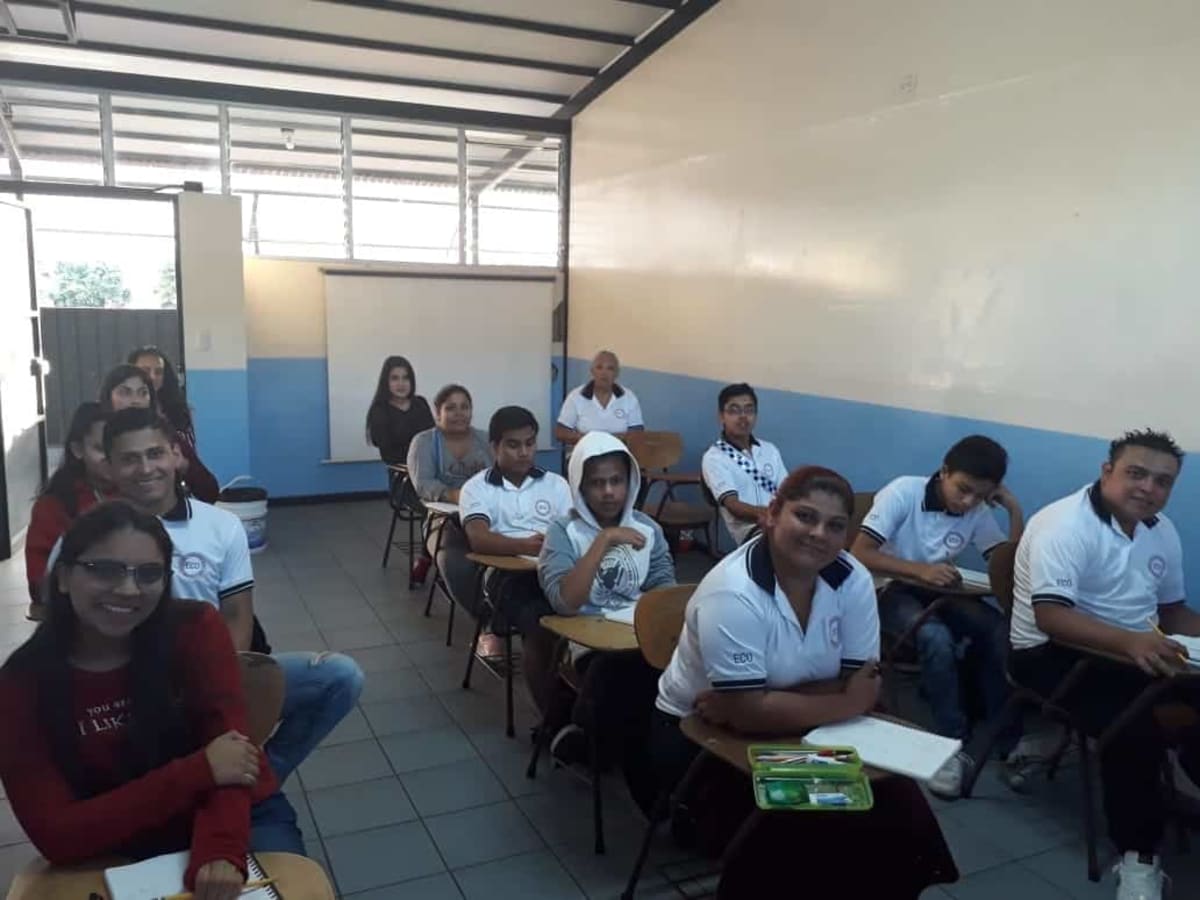
The setup is simple but powerful. Students gather around screens for live lessons with trained English instructors while their regular classroom teacher stays in the room to help. The approach solves a problem that has long frustrated rural communities: finding specialized teachers willing to relocate to remote areas.
For students like Nichson Navarro at Cuesta de Moras School, the program means more than vocabulary practice. "My favorite word is sharpener, which means maquinilla," he said proudly. "It was the first word I learned with teacher Marcos."
The program teaches both language and technology skills that students will need in high school and beyond. Kids who might never have touched a tablet are now navigating digital tools confidently while building English fluency.
Costa Rica's Ministry of Public Education partnered with the Ministry of Science, Innovation, Technology and Telecommunications to make it happen. The National University and Rural Development Institute provide additional support.
Minister Paula Bogantes Zamora recently visited León Cortés Castro School in San Marcos de Tarrazú to watch classes in action. Her message was clear: technology should close educational gaps, not widen them. A child's zip code shouldn't determine what they can learn.
Parents are celebrating too. Juan Carlos Mora, president of the Cuesta de Moras School Board, said the program proves distance doesn't have to mean disadvantage anymore.
The Ripple Effect
This isn't just about conjugating verbs. English fluency opens doors to better jobs, higher education, and global connections that were once out of reach for rural Costa Ricans.
The digital skills students gain create a double benefit. They're not just learning a second language but also building comfort with technology that urban students take for granted.
Other countries watching Costa Rica's experiment could find a blueprint for reaching their own remote communities. When internet connections exist, specialized instruction can follow.
Now 2,000 families in mountain villages and isolated towns know their kids have the same shot at language skills as students in San José.
More Images




Based on reporting by Tico Times Costa Rica
This story was written by BrightWire based on verified news reports.
Spread the positivity!
Share this good news with someone who needs it