Costa Rica Court Affirms First Same-Sex Marriage
A Costa Rican court rejected the government's attempt to annul the country's first same-sex marriage, ending an 11-year legal battle that began before marriage equality was even legal. The ruling reaffirms the 2015 union and closes a landmark case that helped define LGBTQ rights in Central America.
After more than a decade of legal battles, Costa Rica's first same-sex marriage is finally, officially, permanently valid.
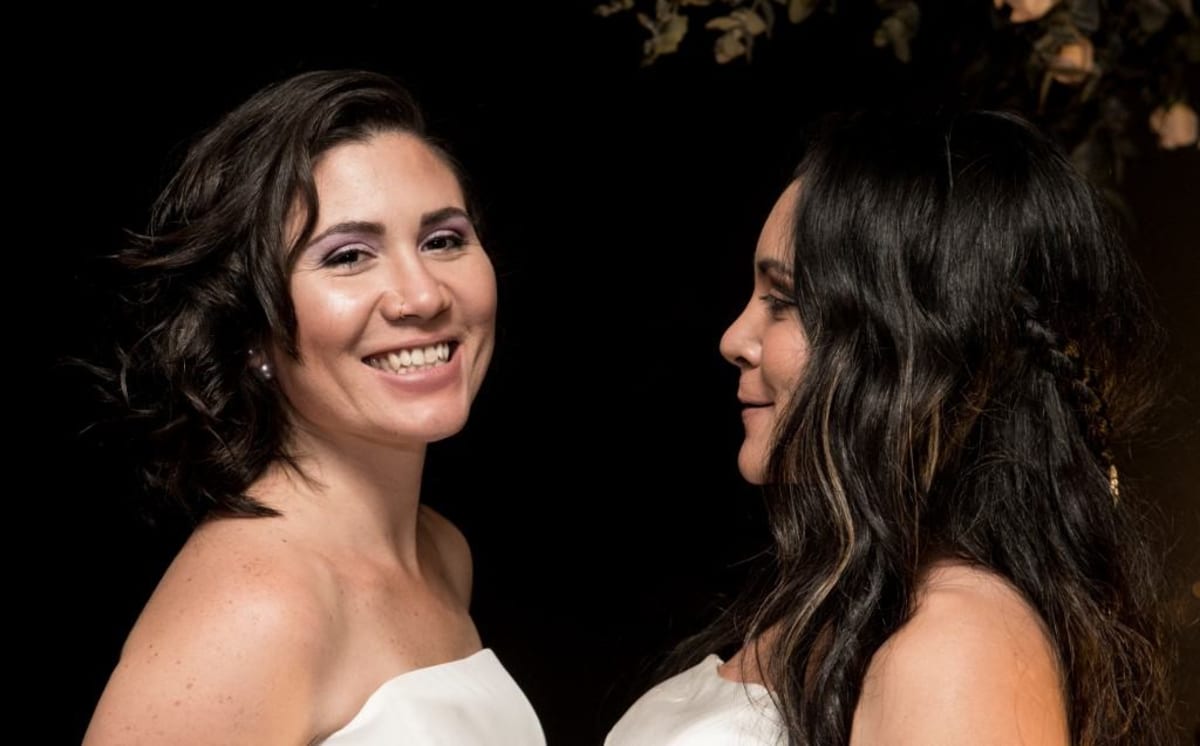
A family court in San José rejected the government's last attempt to annul the 2015 marriage of Laura Flórez-Estrada Pimentel and Jazmín Elizondo Arias. Judge Walter Alvarado Arias ruled the union "absolutely legal under constitutional and conventional norms," ending a case that outlasted the nationwide legalization of marriage equality by six years.
The story began in 2015, when the couple married at a time same-sex unions were still illegal in Costa Rica. A clerical error at the National Registry had listed Elizondo as male, allowing the marriage to proceed.
What followed was years of bureaucratic ping-pong. The marriage was revoked, reinstated, and annulled at different stages as government attorneys fought to undo it, even as the country's legal landscape shifted around them.
That shift came on May 26, 2020, when Costa Rica became the first Central American nation to legalize same-sex marriage. The change followed a 2018 Constitutional Chamber ruling that adopted guidance from the Inter-American Court of Human Rights, which determined countries bound by the American Convention must extend marriage to same-sex couples.
Costa Rica became the 29th country worldwide to recognize marriage equality. Yet somehow, this couple's original marriage remained contested in court.
The judge leaned heavily on that 2018 Inter-American Court opinion in his decision. He noted that when Costa Rica's Constitutional Chamber struck down the same-sex marriage ban, it established the prohibition had been void from the moment it was enacted, retroactively validating marriages like Flórez-Estrada and Elizondo's.
"We're very happy this finally happened, because we've waited a long time," Flórez-Estrada said after the ruling.
The Ripple Effect
The decision does more than validate one couple's commitment. It closes the final chapter of a case that helped propel marriage equality forward in Costa Rica and reinforces the country's standing as one of Latin America's most welcoming destinations for LGBTQ travelers and residents.
For thousands of foreign visitors who choose Costa Rica partly for its progressive reputation, the ruling confirms that the legal foundation supporting their rights has withstood every challenge. While marriage equality has been settled in practice since 2020, this decision eliminates the last contested thread of a case that stretched across two decades of social change.
After 11 years, one couple's fight for recognition has become a permanent part of Costa Rica's progress.
More Images




Based on reporting by Tico Times Costa Rica
This story was written by BrightWire based on verified news reports.
Spread the positivity!
Share this good news with someone who needs it