Costa Rica Links Trains and Buses to Beat Traffic Jams
Costa Rica is building a unified network that connects trains, buses, and taxis into one seamless system, offering commuters in the gridlocked capital region a faster way to get around. After decades of delays, the electric train project just secured international funding and could soon carry 100,000 passengers daily.
Sitting in traffic might finally become optional for commuters around Costa Rica's capital, thanks to a plan that treats trains, buses, and taxis as one connected system instead of competitors fighting for riders.
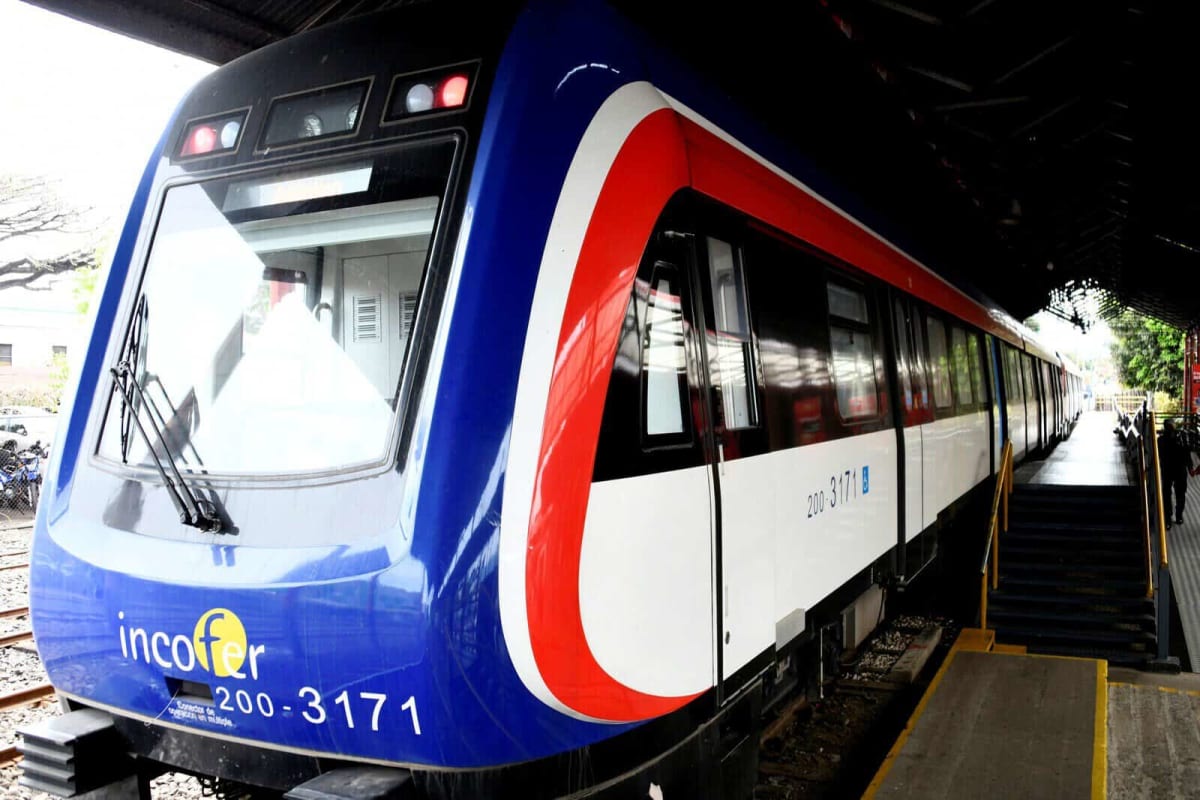
The national railway institute Incofer is partnering with the country's bus operators to create what they call an intermodal network. The idea is simple but powerful: buses pick up passengers in neighborhoods and bring them to nearby train stations, where they hop on electric trains that zip across the Greater Metropolitan Area, the densely packed region spanning San José, Alajuela, Heredia, and Cartago.
Costa Rica recently ranked among the worst countries in the world for traffic congestion. Too many cars and too little coordination between transit options have left commuters frustrated and stuck.
The solution centers on the Tren Eléctrico de Pasajeros, an electric passenger train that will run on 52 kilometers of double track connecting all four provinces. Current ridership sits at just 16,000 passengers daily, but the upgraded system aims to carry 100,000.
What makes this different from past proposals is that buses won't compete with trains by running the same routes. Instead, they'll work as feeder lines, creating smooth handoffs that make the whole trip feel like one journey. Taxis handle the short first and last legs from home to station and back.
Technology ties it together. Planners envision apps that let passengers plan multi-mode trips, pay once, and track everything in real time, removing the friction that keeps people in their cars.
The project moved faster this year than in decades. In May, Costa Rica's Legislative Assembly approved international financing from the Central American Bank for Economic Integration, the European Union, and the Green Climate Fund. President Laura Fernández signed the financing law shortly after.
The Ripple Effect
When public transit works as one system instead of many disconnected pieces, entire cities change. Fewer cars mean cleaner air, quieter streets, and more space for people instead of parking lots.
The bus operators backing this plan see it as survival, not surrender. By feeding passengers to trains instead of competing with them, they become essential connectors in a network that actually works.
Details remain unfinished, including exactly where transfer points will be built and how much reorganizing bus routes will cost. But Incofer and the transport chamber agree on one thing: laying new train track solves nothing if the buses and taxis around it keep running like the trains don't exist.
Costa Rica is betting that coordination beats competition when it comes to getting people where they need to go.
More Images




Based on reporting by Tico Times Costa Rica
This story was written by BrightWire based on verified news reports.
Spread the positivity!
Share this good news with someone who needs it