Costa Rica Forest Restored From Ranchland Over 50 Years
What began as degraded cattle pastures in Costa Rica is now thriving forest connecting the Pacific coast to Caribbean rainforest, thanks to decades of local dedication. The remarkable recovery shows conservation works when communities lead the way.
In northwestern Costa Rica, a forest grew back one seed at a time, carried by wind and wings and the patience of people who believed pasture could become wilderness again.
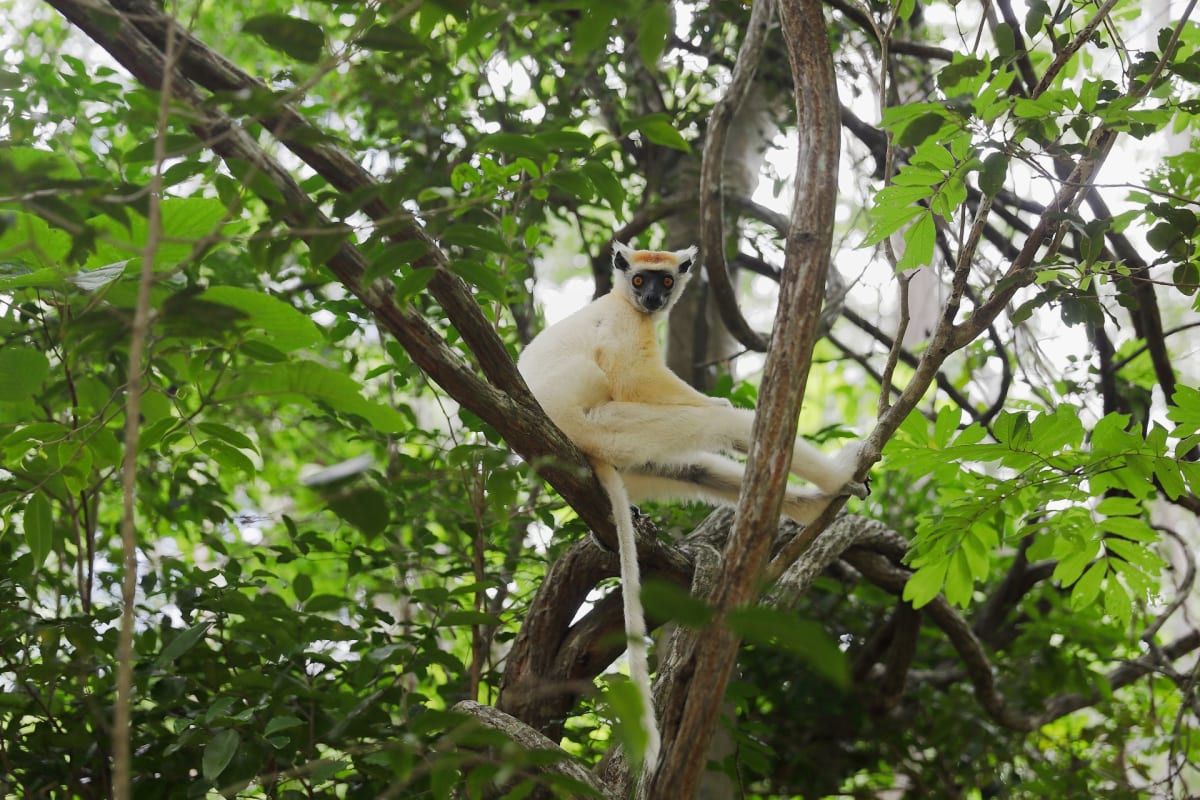
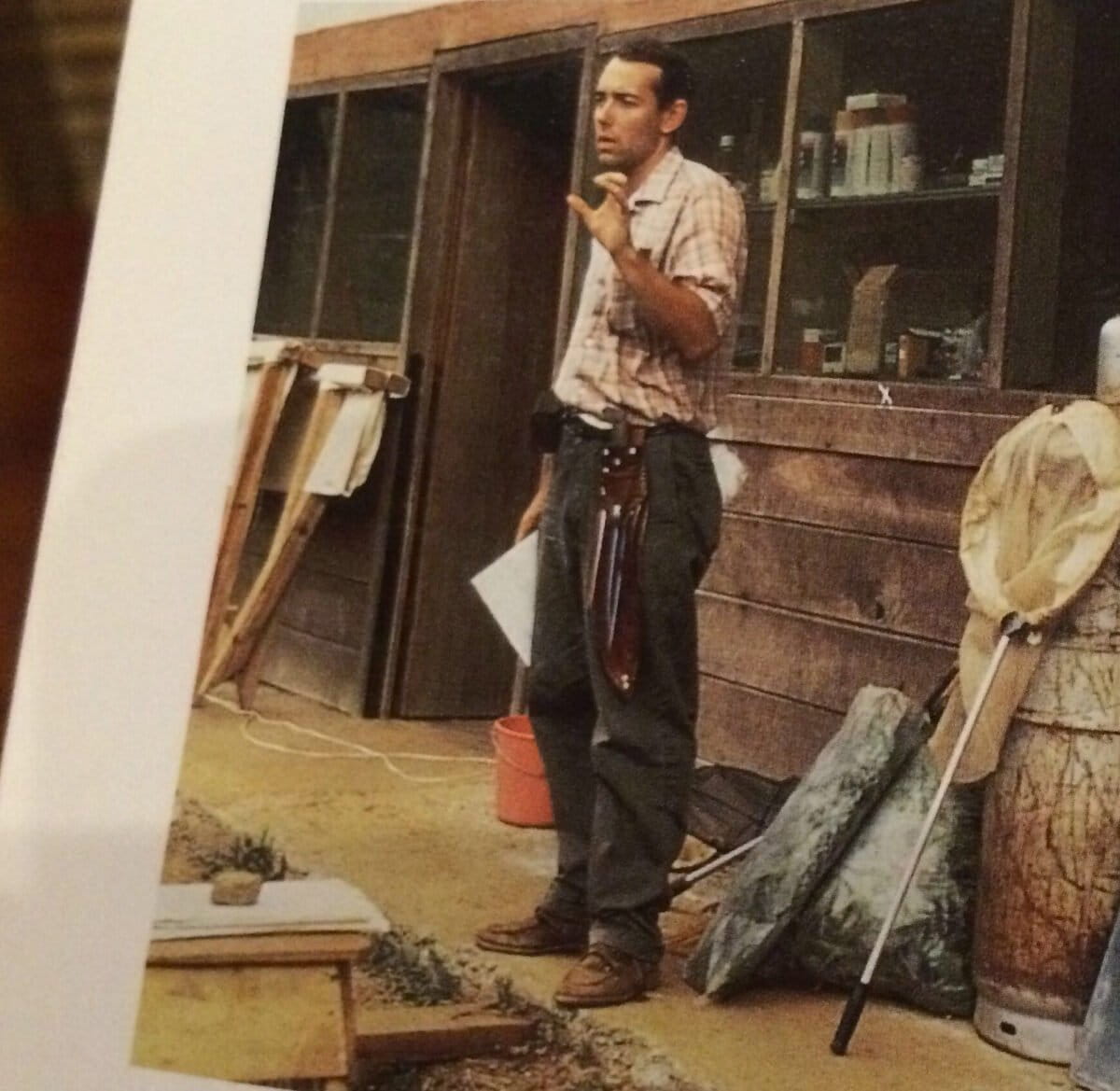
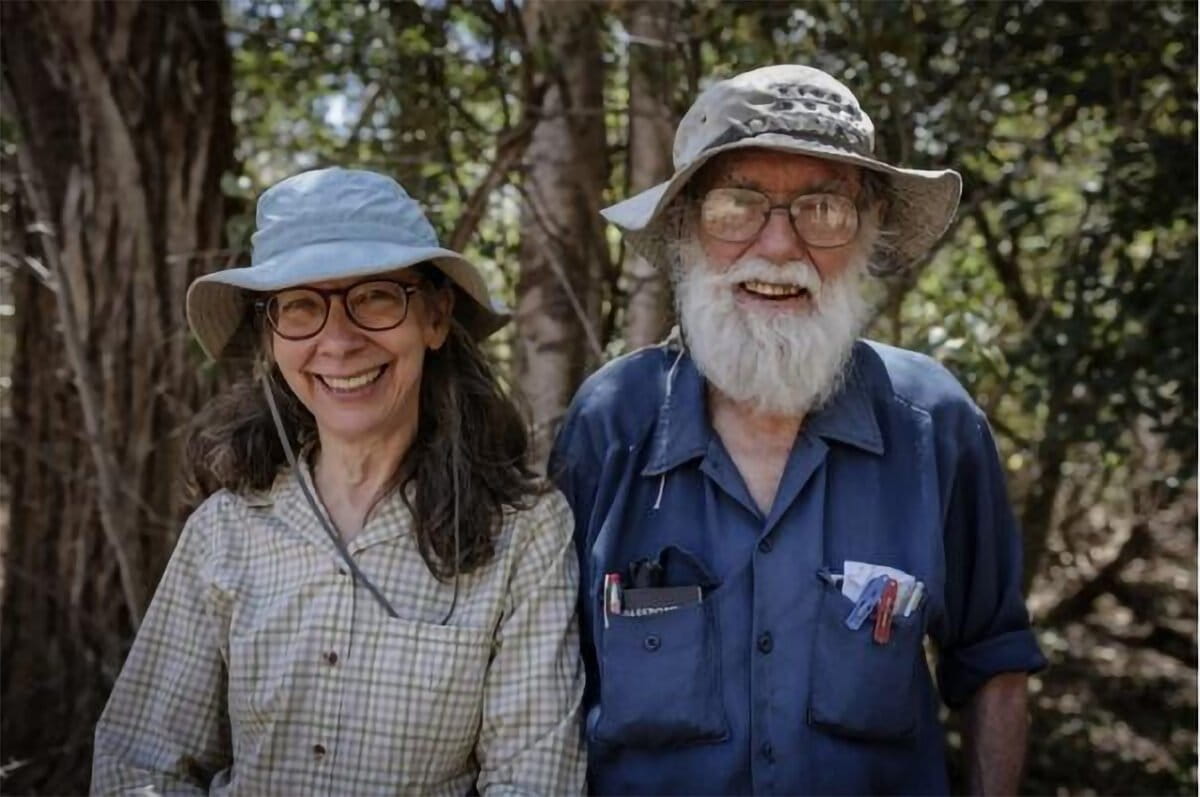
For over 50 years, ecologist Daniel Janzen and his scientific partner Winnie Hallwachs have worked alongside Costa Rican communities to transform degraded ranchlands in Guanacaste into a protected landscape. What's now called Área de Conservación Guanacaste stretches from Pacific coastline through dry forest to cloud forest and Caribbean rainforest.
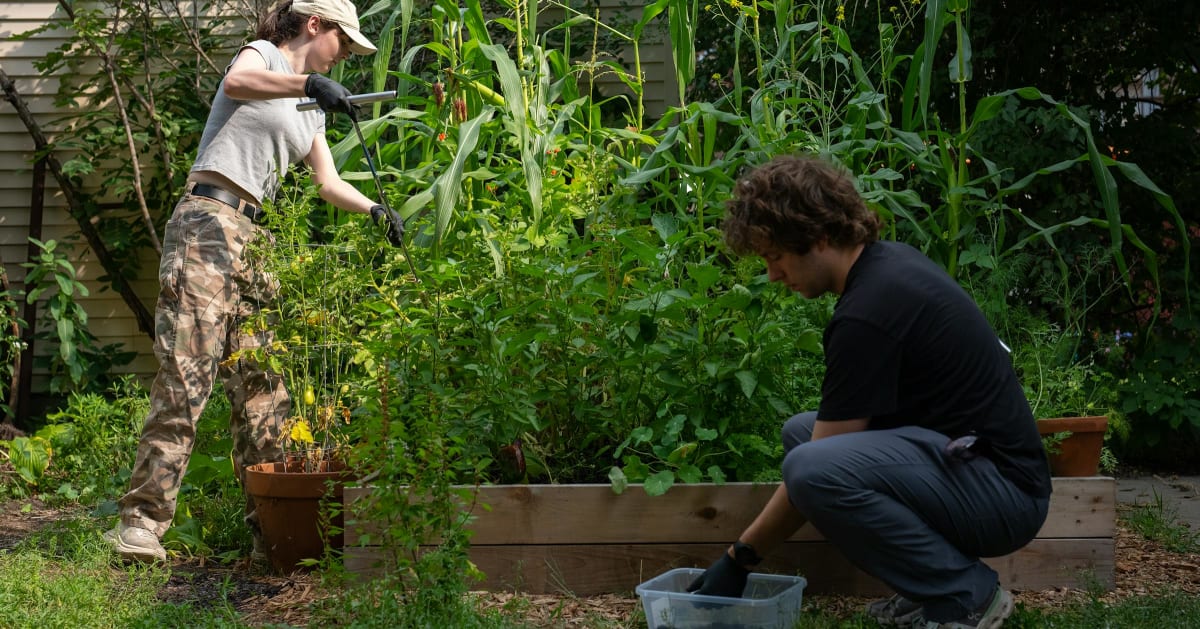
The recovery didn't happen because scientists declared it a park. First came the hard work: removing cattle, stopping fires, watching fence lines, and waiting for seeds to arrive. Then came the people who stayed after the initial funding dried up.
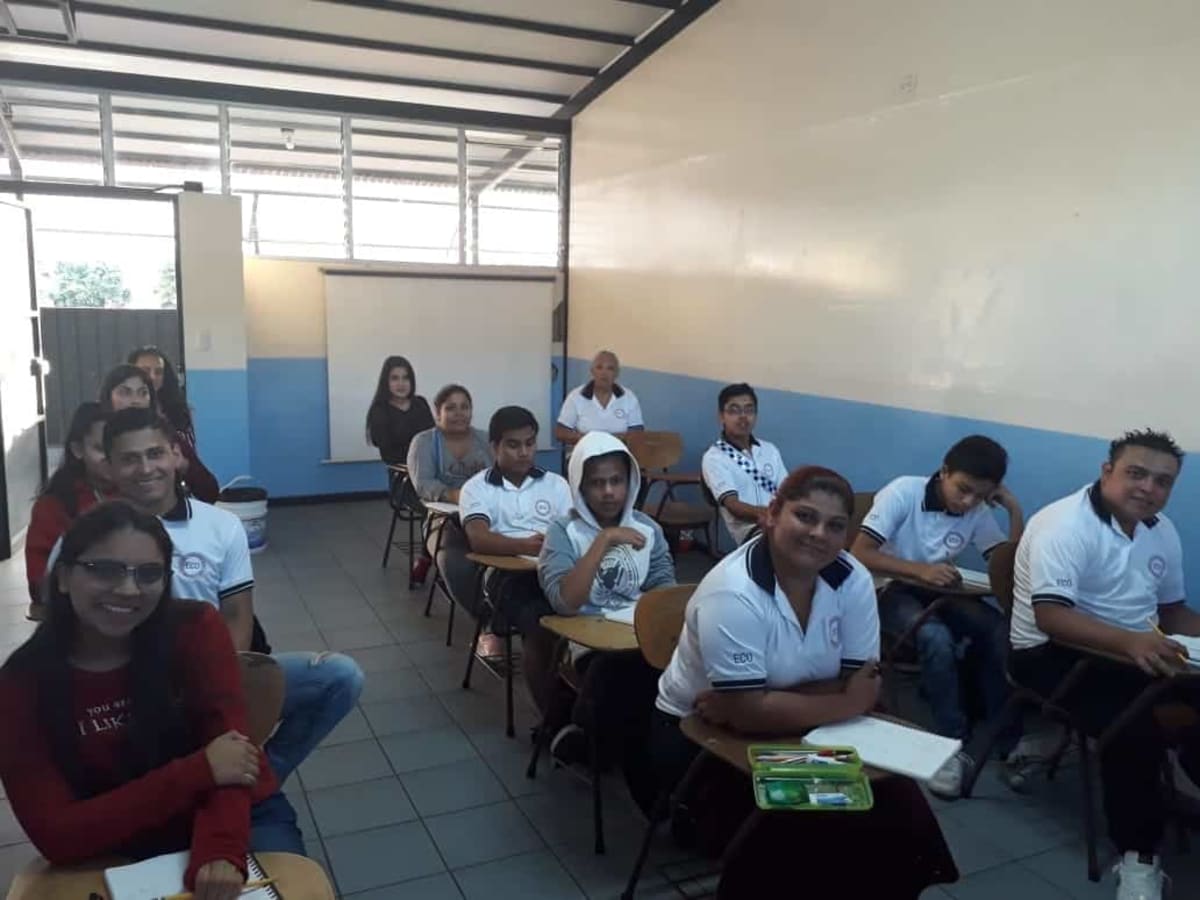
Local parataxonomists, educators, field staff, and neighboring families turned conservation from an idea into daily work. They linked forest protection to local employment, education, and homegrown scientific expertise. Their commitment made the project last.
Janzen, now 87, helped reshape how ecologists understand tropical forests, especially the complex relationships among plants, insects, and predators. But he credits the larger Costa Rican effort for the forest's return.
His recent work focuses on DNA barcoding to help Costa Rica identify and value its extraordinary biodiversity. A 2026 study analyzing over 1.6 million DNA-barcoded insect specimens from the region suggests Earth may hold 14 to 20 million insect species, far more than previously estimated.
The research grew directly from decades of biodiversity inventory conducted by local parataxonomists who learned to identify, photograph, and catalog the forest's inhabitants. To Janzen, biodiversity isn't an abstract concept. It's a set of living things with names, roles, and connections that matter to the people living near them.
The Ripple Effect
The Guanacaste restoration shows what happens when conservation creates local opportunity instead of displacing communities. Parataxonomists earn salaries studying their own forests. Teachers bring students to see recovering ecosystems. Families watch land they know transform across generations.
School programs teach children to recognize and value the species around them. This approach, which Janzen and Hallwachs call "bioliteracy," helps Costa Ricans see their natural heritage as something specific and knowable, not just green background.
The forest that returned to Guanacaste didn't come back all at once, and it never came back alone. It came back through daily maintenance, political agreements, national investment, and neighbors who chose to believe degraded land could heal.
Now that forest connects ecosystems across climate zones, supports groundbreaking research, and proves that with time and community commitment, damaged landscapes can become wild again.
More Images

Based on reporting by Mongabay
This story was written by BrightWire based on verified news reports.
Spread the positivity!
Share this good news with someone who needs it