Costa Rica Links Ocean Protection to Coastal Jobs
Costa Rica is reframing marine conservation around fishing communities, arguing that protecting the ocean must create jobs and support local families. The approach positions coastal workers as partners, not obstacles, in environmental progress.
Costa Rica just told the world that ocean conservation only works when it helps the people who live by the sea.
Environment Minister Mónica Navarro del Valle brought that message to a major environmental finance meeting in Uzbekistan, where global leaders gathered to discuss how to fund conservation through 2030. Her pitch was simple: protecting marine life should strengthen coastal economies, not threaten them.
Navarro placed fishing families at the center of Costa Rica's ocean strategy. She argued that conservation shouldn't be seen as blocking development but as a path to create jobs, boost local income, and make coastal towns more resilient to future challenges.
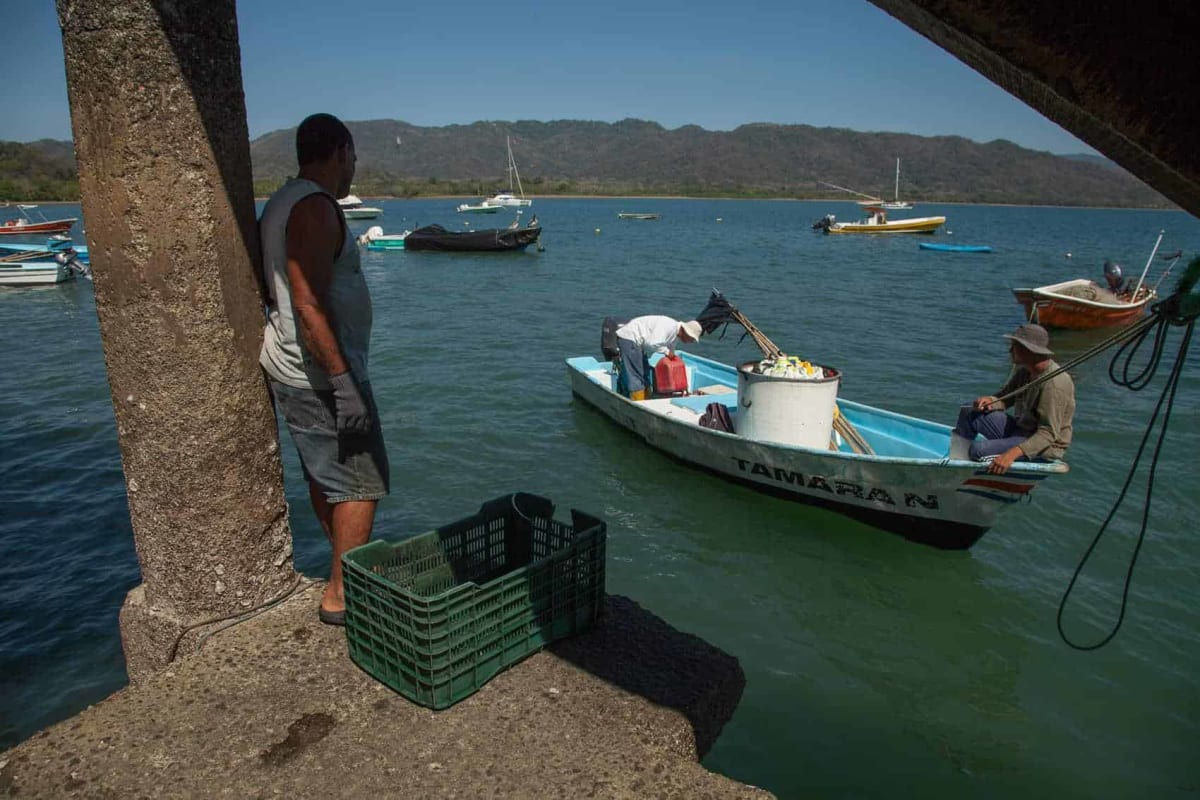
The stance matters because Costa Rica's fishing villages often sit right next to marine protected areas, tourism zones, and beaches that carry both environmental and economic weight. For decades, these communities have felt caught between conservation rules and their need to earn a living from the sea.
By framing fishers as partners rather than problems, Costa Rica is testing a different approach. Navarro said sustainability only works when communities actively participate in solutions and see real benefits from protecting the ecosystems around them.
The minister took office in May under President Laura Fernández. Her background spans environmental regulation, public policy, and connecting business with environmental goals. Marine policy is expected to be one area where her work will draw close attention.
Costa Rica already protects over a quarter of its land and has expanded ocean protections around places like Cocos Island. The country has built a global reputation as a conservation leader. Now comes the harder part: making those protections work for people on the coast.
The Ripple Effect
This approach could reshape how conservation gets done in coastal nations worldwide. When fishing families see protected waters as an asset rather than a threat, they become advocates instead of opponents. Healthier fish populations support sustainable catches. Thriving reefs and mangroves boost tourism, which creates different kinds of jobs in the same towns.
For Costa Rica's tourism economy, the logic is clear. Visitors come for healthy oceans, vibrant beaches, and intact coral reefs. For fishing communities, the equation is trickier but connected: marine resources need protection, but families also need income.
The Global Environment Facility assembly approved billions in funding for environmental projects across 22 countries. Costa Rica's argument was that those global conservation targets will only succeed if they deliver real benefits at the local level.
For coastal towns across Costa Rica, this means the conversation about ocean protection will keep expanding beyond just marine biodiversity to include food security, employment, and the future of communities built around the sea.
More Images




Based on reporting by Tico Times Costa Rica
This story was written by BrightWire based on verified news reports.
Spread the positivity!
Share this good news with someone who needs it