Costa Rica Pays Teams to Care for 70 Centenarians at Home
Costa Rica just launched a program that brings doctors, nurses, and housing help directly to the roughly 70 people over 100 living in the famous Nicoya Peninsula Blue Zone. For rural residents who've lived more than a century, getting to a clinic was often harder than the medical issue itself.
Costa Rica just put its oldest citizens on the government payroll, and the reason why reveals how a country thinks about aging.
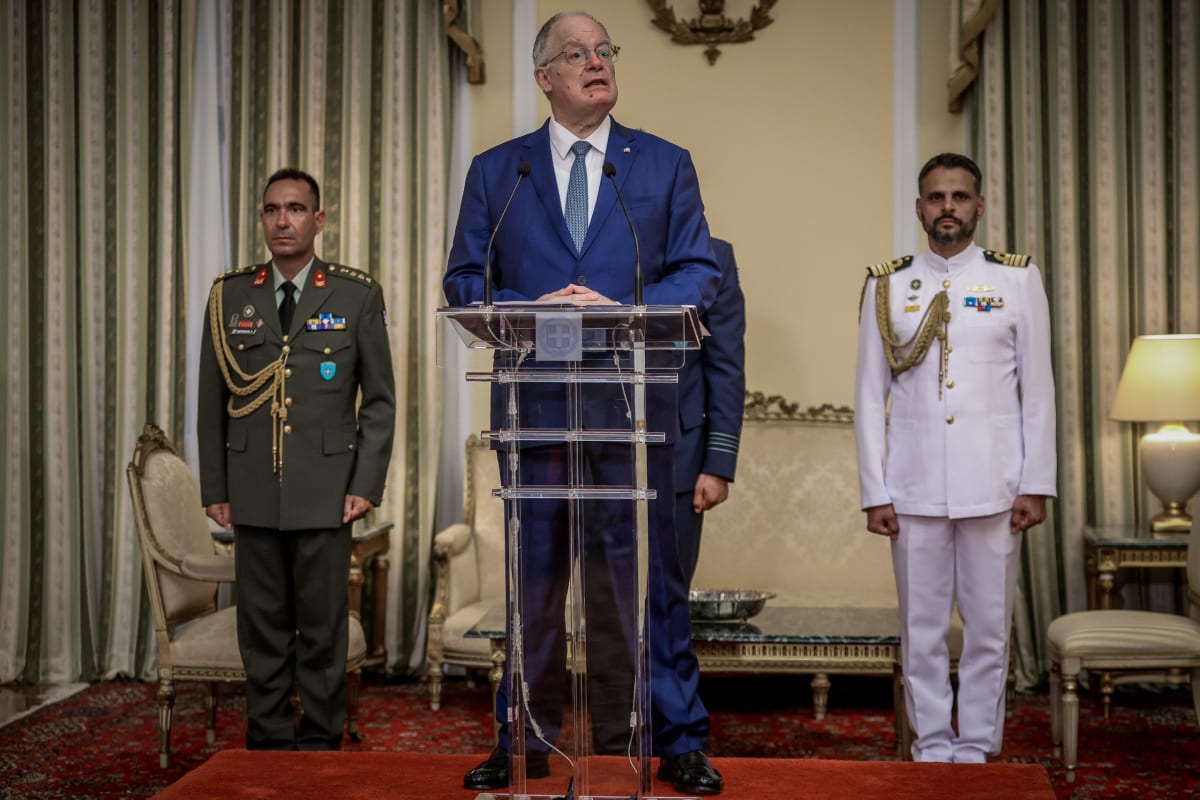
President Laura Fernández Delgado announced Costa Rica Centenaria, a program dedicated to caring for about 70 people over 100 who live in the Nicoya Peninsula. This region gained fame as a Blue Zone, one of the world's rare pockets where people routinely live past 90.
The centerpiece is simple but revolutionary. Medical teams now visit each centenarian at home instead of requiring them to travel to clinics. For people scattered across five rural districts in one of Costa Rica's poorest provinces, distance had become the main barrier to care, not insurance coverage.
Three government agencies split the work. The Costa Rican Social Security Fund sends doctors and nurses on recurring home visits. The Housing Mortgage Bank builds or repairs homes for centenarians who need it. The Mixed Institute for Social Assistance evaluates who qualifies for financial help.
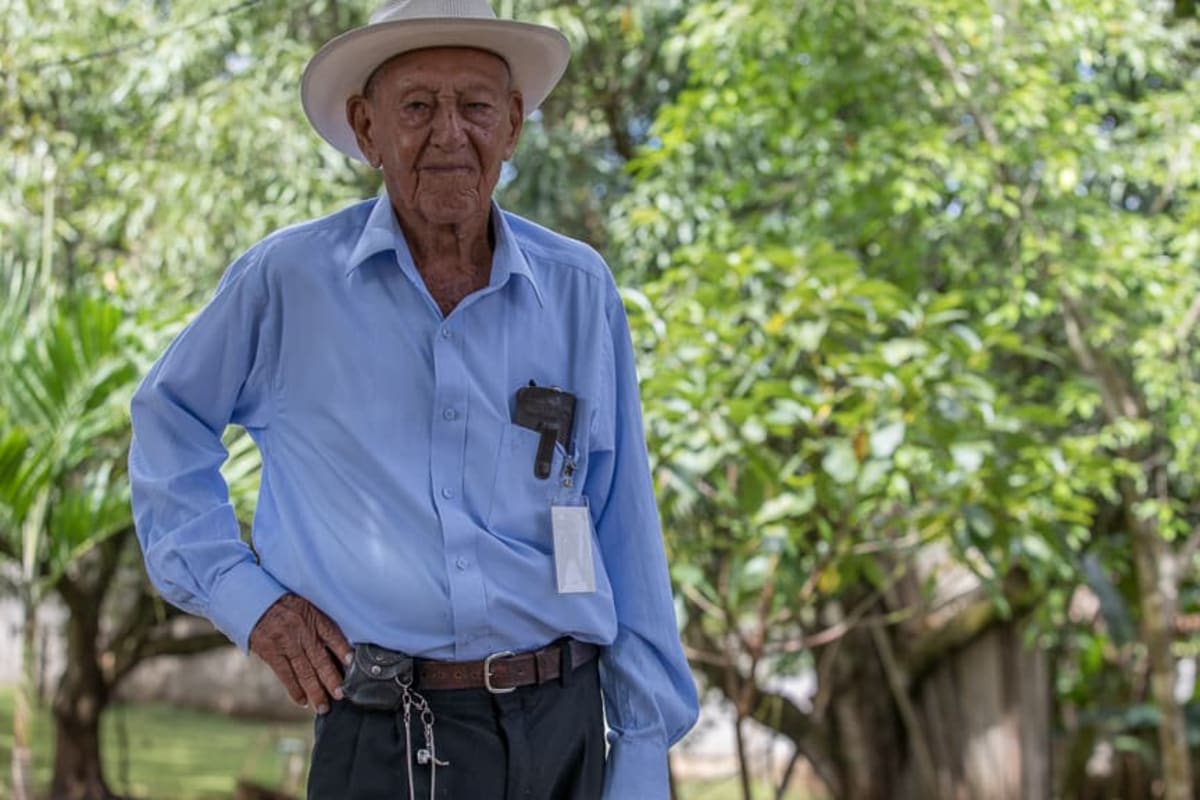
The first housing commitment went to José Flores Flores, who lives in Sardinal de Carrillo. His family says he was born in 1907, which would make him 119 and the oldest person ever documented. Guinness World Records hasn't verified that claim yet, and researchers are still assembling the paperwork needed to prove it. Construction on his new home starts this week.
Why This Inspires
What makes this program moving isn't just kindness toward elders. It's the timing. Recent research from the University of Costa Rica shows the Nicoya longevity advantage is fading. Men born there in 1905 lived 33 percent longer than average Costa Ricans. Men born in 1945 died 10 percent younger than the national rate.
The original Blue Zone has shrunk to a small corridor running from Hojancha to the beach town of Sámara. Demographer Luis Rosero-Bixby concluded that today's centenarians are genuinely exceptional, and the window to understand what made them different is closing.
Costa Rica Centenaria isn't trying to recreate a vanishing advantage. It's honoring the last people who embodied it. The government hasn't released a budget, staffing numbers, or how many homes beyond Flores's will be built. Those details will reveal whether this becomes lasting infrastructure or a symbolic gesture.
But for now, 70 people who lived through a century of change won't have to climb onto a bus to see a doctor. They'll get care in the homes they've spent decades building, surrounded by the communities that watched them age into history.
More Images




Based on reporting by Tico Times Costa Rica
This story was written by BrightWire based on verified news reports.
Spread the positivity!
Share this good news with someone who needs it