Costa Rica Protects Fish Breeding With 3-Month Gulf Ban
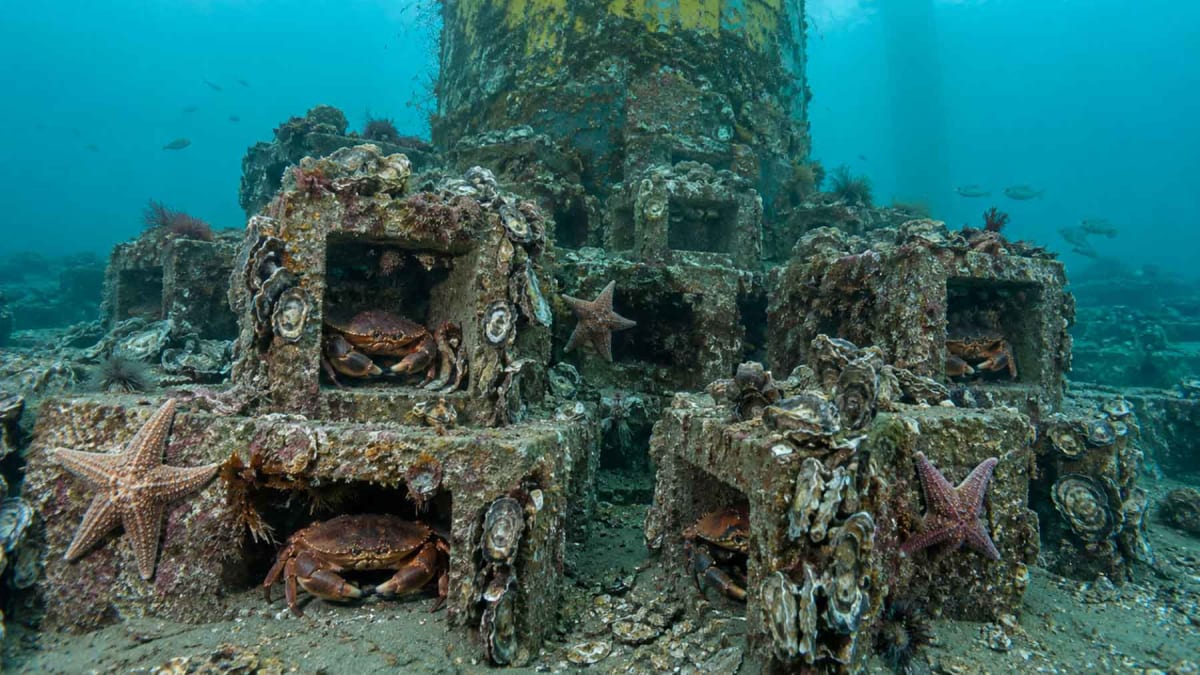
Costa Rica is closing one of its richest fishing zones for three months to let key species breed and recover. The Gulf of Nicoya ban starts May 1 and aims to protect fish populations that feed coastal communities for generations to come.
Costa Rica is giving its fish a chance to bounce back, closing a major fishing zone for three months to protect breeding seasons and secure the future of coastal livelihoods.
Starting May 1, the Gulf of Nicoya will be off limits to most fishing activity through July 31. The seasonal closure covers a significant stretch of one of Costa Rica's most productive marine areas, running from Punta Torres to Isla Negritos and across to the Nicoya Peninsula.
The goal is simple but crucial: protect queen corvina, aguada, and picuda during their breeding cycles. These commercially important species form the backbone of Costa Rica's fishing economy and feed thousands of families along the coast.
Costa Rica's Institute of Fisheries and Aquaculture is teaming up with environmental agencies, public security, and the Coast Guard to enforce the ban. Increased patrols will ensure fish get the undisturbed time they need to reproduce and grow.
The closure isn't absolute. Shellfish harvesters with proper permits can continue working, and semi-industrial sardine fishing gets the green light from June through July. Sport fishing with valid licenses can also proceed in approved areas.
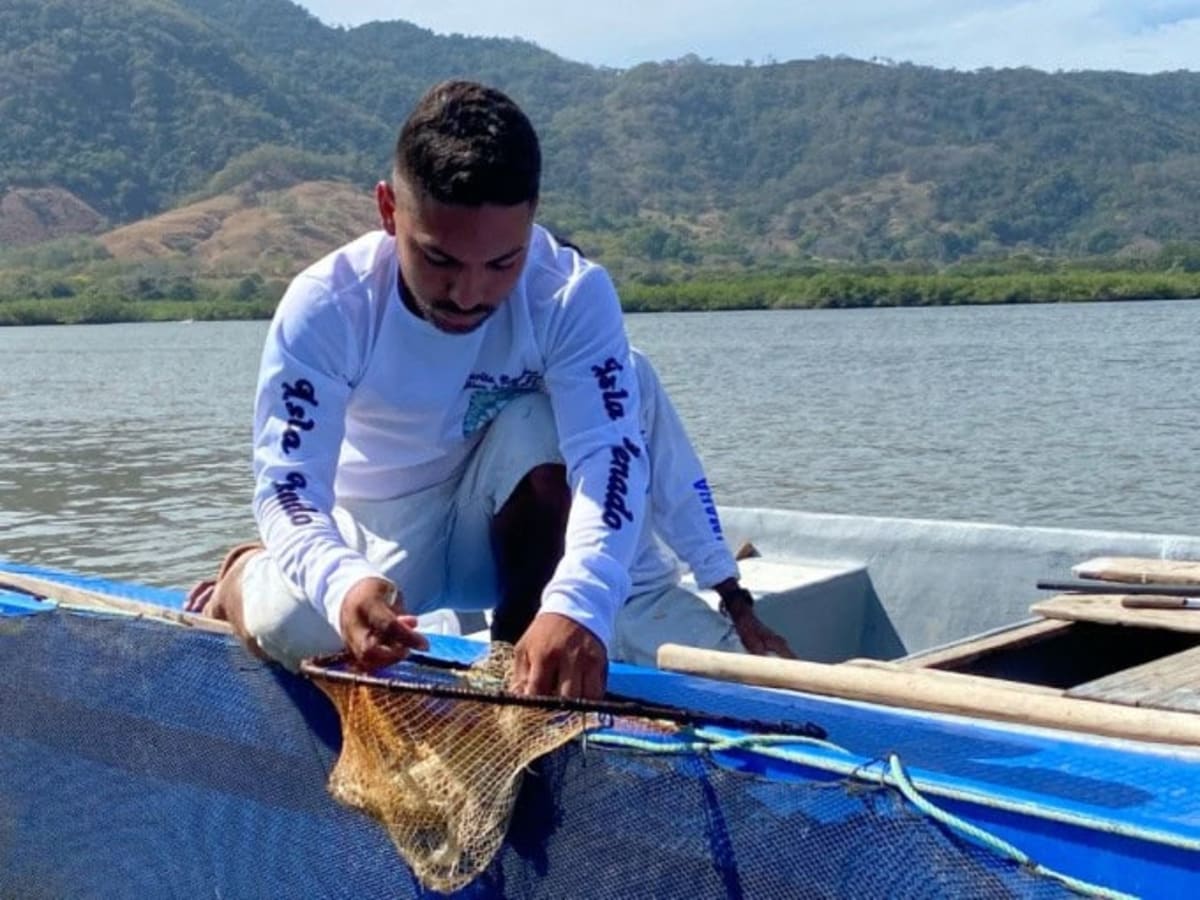
For fishing families, the three-month pause means hardship. Many have already requested financial assistance through Costa Rica's social services to bridge the gap until the waters reopen.
Why This Inspires
Costa Rica is making the hard choice now to ensure abundance later. Seasonal closures like this one have been used for years as a proven tool to rebuild fish populations and keep marine ecosystems healthy.
The ban represents a commitment to balance: protecting the ocean while protecting the people who depend on it. Authorities recognize that today's restrictions create tomorrow's catches, giving fishing communities a fighting chance at sustainable livelihoods for years ahead.
Coastal families might struggle through these quiet months, but they're investing in something bigger. They're ensuring their children and grandchildren will still have fish to catch, meals to eat, and a living to earn from these same waters.
When the Gulf reopens on August 1, the fish returning to nets and lines will be stronger, more numerous, and ready to sustain another season.
More Images



Based on reporting by Tico Times Costa Rica
This story was written by BrightWire based on verified news reports.
Spread the positivity!
Share this good news with someone who needs it