Costa Rica Restored Half Its Lost Forests in 40 Years
After losing nearly half its forests by the 1980s, Costa Rica reversed decades of destruction through innovative conservation programs. The small nation now stands as the world's leading example of successful ecological restoration.
A country that watched its forests disappear for decades just proved that environmental destruction doesn't have to be permanent.
By the 1980s, Costa Rica had lost nearly half its tree cover to logging, cattle ranching, and agricultural expansion. Forest coverage plummeted from 75% in the 1940s to just 21% by the late 1980s, making it one of Latin America's fastest deforesting nations. Wildlife habitats vanished, rivers eroded, and thousands of native species faced threats.
Then something remarkable happened. Instead of accepting the damage as irreversible, Costa Rica chose a different path.
The government launched one of the world's most ambitious conservation efforts, combining tree planting with natural forest regeneration and strict protection laws. In 1997, Costa Rica introduced the groundbreaking Payment for Environmental Services program, compensating landowners for protecting forests, planting native trees, and preserving watersheds. Funded partly through a national fuel tax, this initiative became the first of its kind globally and inspired similar programs worldwide.
The recovery strategy went far beyond simply planting trees. Authorities cracked down on illegal logging while allowing abandoned farmland to regenerate naturally. This approach rebuilt healthier, more resilient ecosystems than plantations alone could achieve.
Costa Rica also invested heavily in protected areas, creating national parks and reserves covering more than a quarter of its land. These protected landscapes now safeguard everything from tropical rainforests to mangroves and coral reefs.
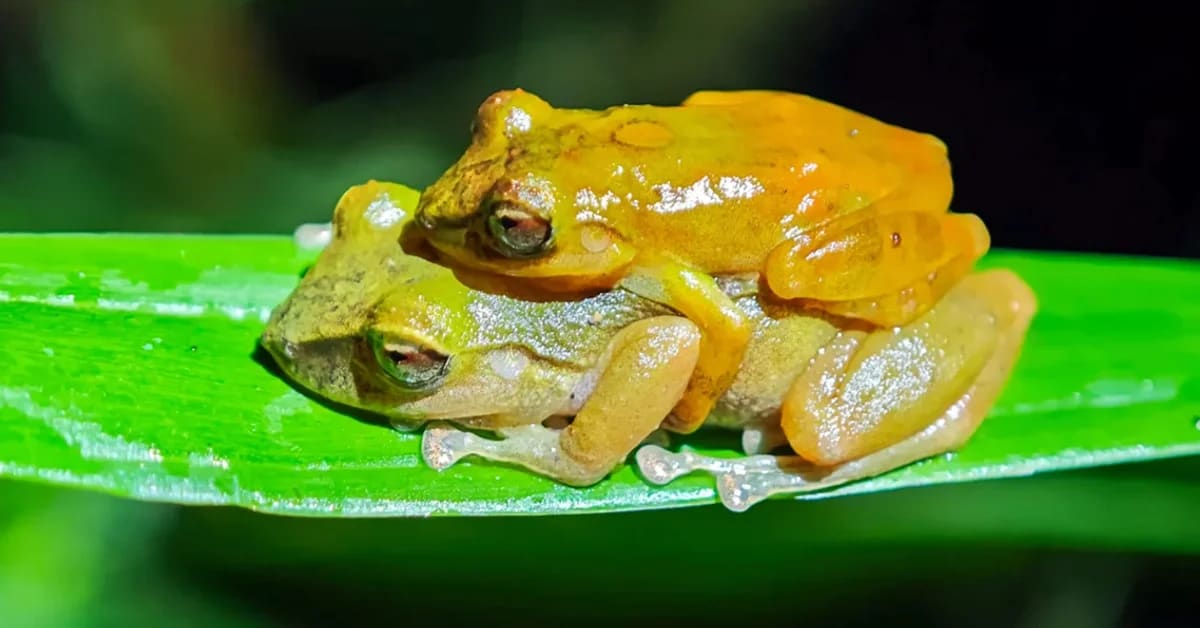
The country made a brilliant economic pivot too. Instead of viewing forests as obstacles to development, Costa Rica turned them into assets through ecotourism. Visitors now flock to see jaguars, sloths, scarlet macaws, and more than 900 bird species in their natural habitats.
The Ripple Effect
Costa Rica's transformation demonstrates that forests can generate long-term economic value without destruction. The country now hosts roughly 5% of the world's known species despite occupying just 0.03% of Earth's land surface. Its success has inspired conservation programs across Latin America and beyond, proving that dedicated policy changes and community involvement can reverse environmental decline.
Local communities benefit from ecotourism revenue while protecting the forests that provide clean water, flood control, and carbon storage. Scientists worldwide study Costa Rica's methods to replicate them elsewhere.
A nation that once faced environmental crisis now stands as proof that we can heal the damage we've caused.
More Images




Based on reporting by Google News - Reforestation
This story was written by BrightWire based on verified news reports.
Spread the positivity!
Share this good news with someone who needs it