Osprey Parents Raise Chicks 47 Meters High in Daintree
Two osprey chicks have hatched atop a research crane in Australia's Daintree Rainforest, marking the 11th consecutive year the same bird pair has returned to raise a family. The heartwarming live stream also brings good news for the crane itself, which will continue operating after facing possible closure.
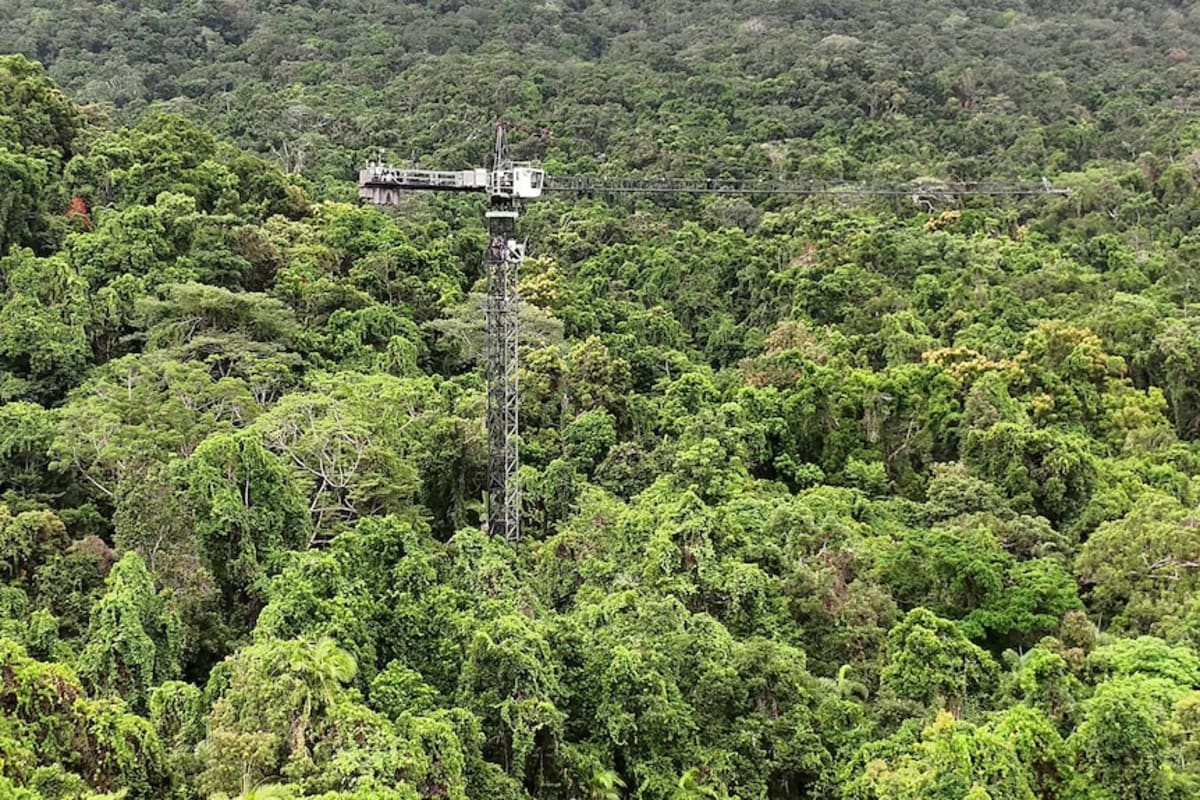
For the 11th year in a row, a loyal osprey couple has chosen an unusual nursery: a research crane towering 47 meters above Australia's ancient Daintree Rainforest.
Two fuzzy chicks hatched last week atop the James Cook University crane, their wobbly first moments captured on a live stream that's been running for over a decade. The chicks started life barely able to hold their heads up, but after a few meals of fresh fish delivered by their devoted parents, they quickly gained strength.
The osprey parents work in shifts, taking turns flying the 2 kilometer journey to the ocean and back several times daily. "They bring meals back until the chicks reach fledgling age," said observatory manager Johan Larson. After about two months of practice flapping, the young birds will take their first flight, usually just hovering above the nest before gaining confidence.
Researchers believe the same pair returns to this exposed perch every single year. Their parenting track record is perfect: they've successfully raised chicks every season since cameras were installed 11 years ago.
The crane itself is no ordinary structure. Built in 1998, it serves as a vital research platform for studying the rainforest canopy, where most photosynthesis, pollination, and flowering happens. Scientists use it to access a world of insects and wildlife that exists nowhere else in the ecosystem.
The Bright Side
The faithful ospreys aren't the only ones getting good news. Two years ago, the university considered decommissioning both the crane and the observatory, threatening decades of research and the beloved bird family's home.
A consultation process changed everything. The university found creative ways to boost engagement, including increasing undergraduate programs and high school visits. Deputy vice-chancellor Jenny Seddon confirmed this week that the crane remains in excellent working order, with its next certification review not due until 2028.
Larson expects the crane may need significant servicing or replacement around that time, but he's relieved the facility will keep operating. Despite advances in drones and satellites, he explains, nothing beats a crane for canopy research. "Without a canopy crane, that work is very difficult. You have to use climbing equipment, or slingshots to get branches down for leaf samples."
The live stream continues to draw viewers worldwide, offering a front-row seat to nature's beauty high above one of Earth's oldest rainforests.
More Images


Based on reporting by ABC Australia
This story was written by BrightWire based on verified news reports.
Spread the positivity!
Share this good news with someone who needs it