Scientists Find Three 'Vegan Dracula' Fish in Queensland
Researchers discovered three species of ancient lamprey fish with vampire teeth that eat plants instead of blood. The rare find could unlock secrets about human genetics while protecting creatures older than dinosaurs.
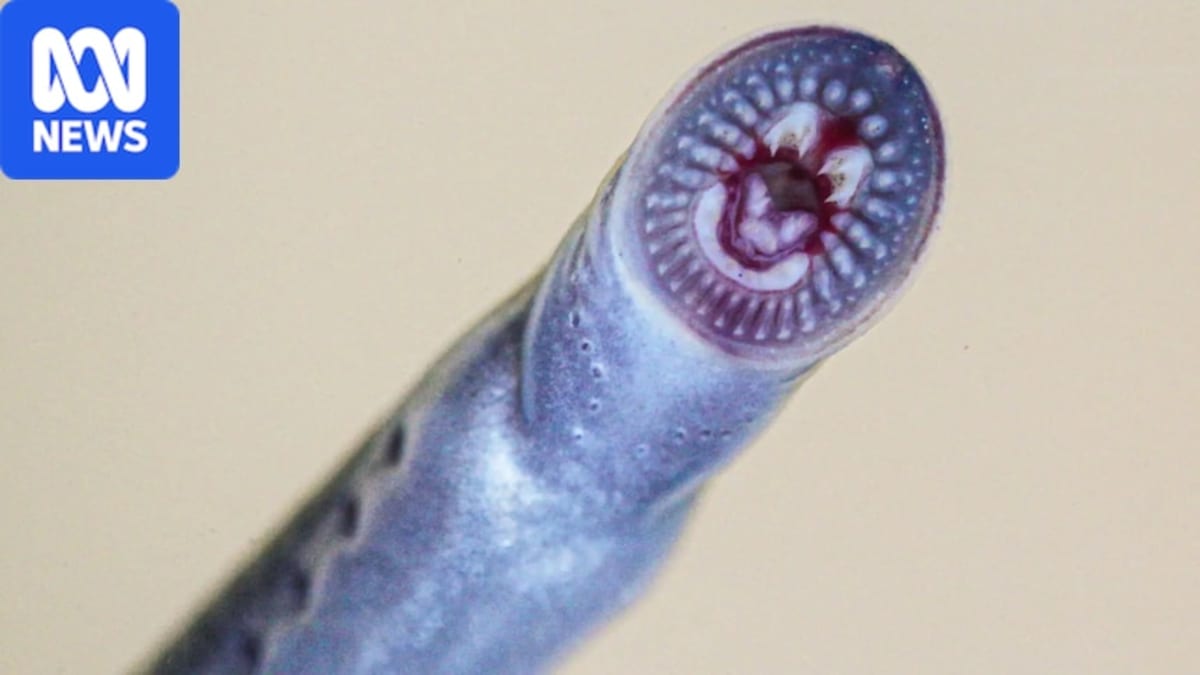
Scientists stumbled upon something extraordinary hiding in Queensland creeks: three species of ancient fish with razor-sharp teeth that choose salad over blood.
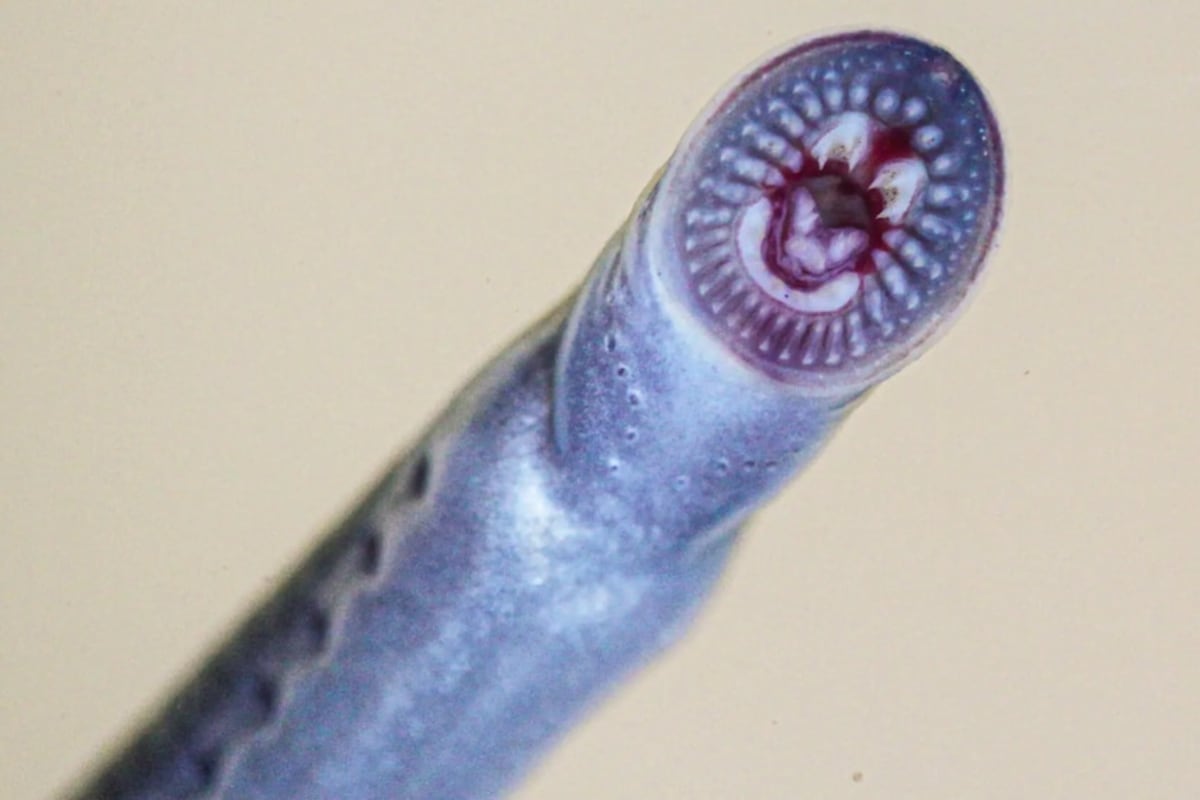
The Australian brook lamprey looks terrifying up close, with its suction-cup mouth and circular rows of teeth. But this 10-centimeter "vegan Dracula" prefers munching organic matter on creek beds instead of latching onto other fish like its parasitic cousins around the world.
Griffith University ecologist Luke Carpenter-Bundhoo accidentally discovered the first species on K'gari in 2022 while studying bushfire impacts. "There's about 50 lamprey species throughout the planet and most of them are parasitic," he said. "These guys are non-parasitic so they're kind of like a vegan Dracula."
The discovery sparked a collaboration with Queensland scientist David Moffatt, who first spotted unusual lampreys in the Noosa River catchment back in 2004. Together, they've now identified two additional unnamed varieties, finding these tropical fish in unexpected spots from beneath the Bruce Highway to as far north as Rockhampton.
The fragmented populations face serious risk because these freshwater fish can't travel between waterways. "They can't swim out to the ocean and then just pop back into the next creek," Carpenter-Bundhoo explained. "If something happens to one of those populations it's kind of a big deal."
Why This Inspires
These tiny fish are living fossils that existed before and after dinosaurs roamed Earth. What scientists see today mirrors creatures from 150 million years ago, making them even older than the Australian lungfish.
Their ancient genetics hold modern promise. Researchers use lampreys as a "model organism" to understand the essential blueprint for making vertebrates. "Anything we find with them we may be able to apply to more sophisticated organisms, like humans," Carpenter-Bundhoo said.
The Queensland government just awarded the team a $90,000 research grant to map the creatures' true range across the state. Moffatt emphasized the urgency: "We're at the risk of silent extinction, where we have things go extinct that we didn't even know were existing."
The Australian brook lamprey is already listed as endangered, making the new discoveries crucial for conservation. Knowing where these cryptic creatures live increases opportunities to protect them and the ancient genetic secrets they carry.
Scientists who started looking for bushfire damage ended up finding living links to Earth's distant past, proving that groundbreaking discoveries can happen right beneath a highway.
More Images



Based on reporting by ABC Australia
This story was written by BrightWire based on verified news reports.
Spread the positivity!
Share this good news with someone who needs it