Costa Rica Saves 4,366 Animals and Plants from Smugglers
Costa Rica just proved that protecting rare wildlife works. Between 2024 and 2025, authorities rescued over 4,000 animals and plants at airports and borders, including hundreds of rare orchids that smugglers tried to steal from the wild.
Costa Rica seized 4,366 animal and plant specimens from smugglers in just two years, proving that enforcement can actually work when countries decide to protect their treasures.
The recovered plants included more than 300 orchids found in a single traveler's luggage. These weren't garden-variety flowers but rare species that grow nowhere else on Earth.
Costa Rica is home to up to 1,700 orchid species, many found only in its cloud forests and jungles. For nearly 200 years, collectors have targeted them, willing to pay heavily for the rarest blooms. The international orchid market is now worth billions of dollars.
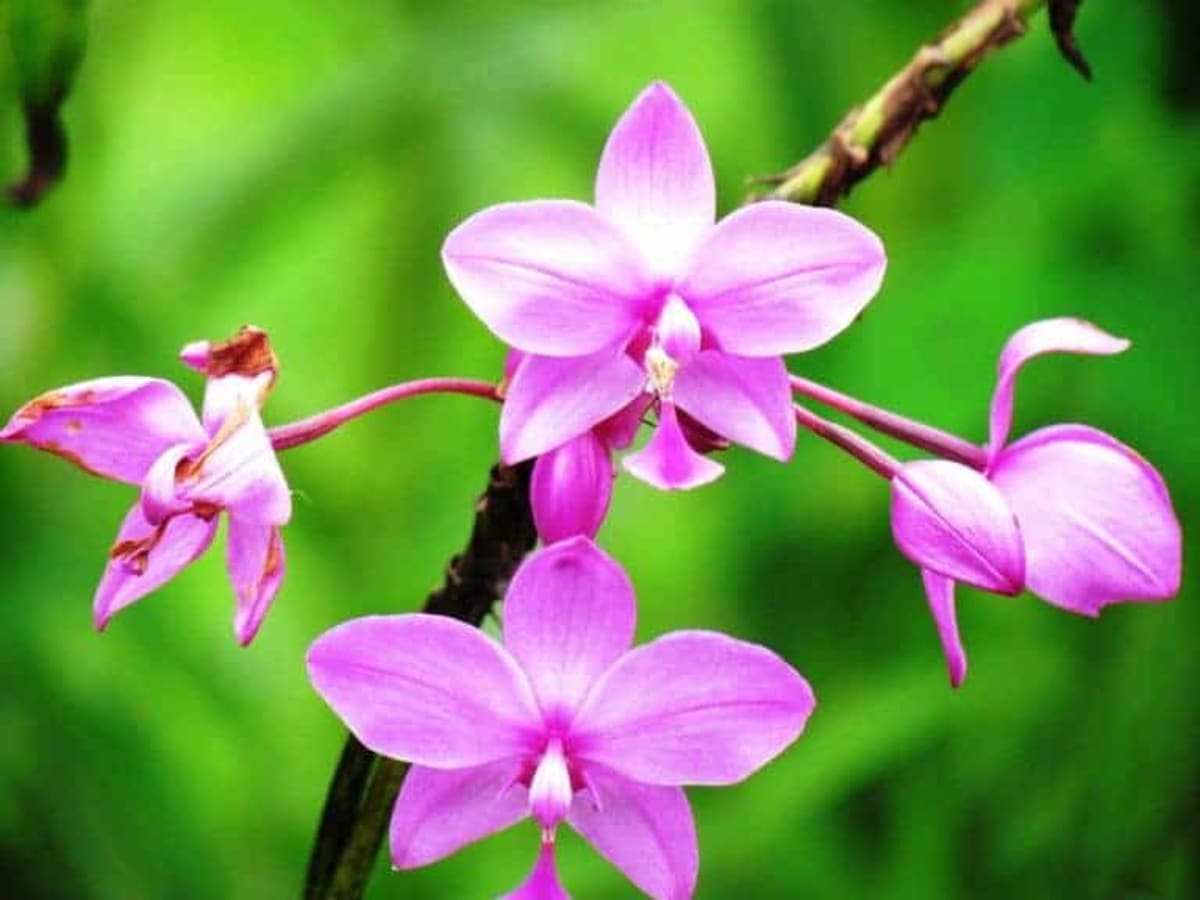
The country's most famous orchid, the guaria morada, became the national flower in 1939. Decades of collecting nearly wiped out wild populations. Today, conservationists are growing them in greenhouses and replanting them in forests where they belong.
Wildlife cases sent for scientific identification jumped 330 percent since 2023, according to John Vargas, head of the Judicial Investigation Agency's forensic biology section. The spike shows smuggling is still a huge problem, but it also shows authorities are finally catching more criminals.
In late July, Costa Rica launched a campaign called "What You Carry" at its airports. The message is simple: take home photos and memories, not pieces of the country's forests.
The Ripple Effect
Costa Rica's crackdown is part of a global effort. Nearly every country now follows CITES, an international treaty that regulates trade in endangered species. Every single orchid species falls under its protection.
The treaty isn't perfect. Some botanists say it hasn't prevented extinctions, and that news of stricter protections can actually trigger collecting rushes. But Costa Rica shows what happens when enforcement gets serious.
The people collecting these plants, called materos, work deep in remote forests. Smugglers hide plants in vehicle compartments, pack them in suitcases, or ship them with fake paperwork.
Costa Rica is now racing to save what's left through greenhouse repropagation programs. Scientists are growing rare species like Lycaste dowiana, which nearly disappeared from the wild, and reintroducing them to protected forests.
After two centuries of losing ground to smugglers, Costa Rica is finally winning the fight to keep its flowers home.
More Images

Based on reporting by Tico Times Costa Rica
This story was written by BrightWire based on verified news reports.
Spread the positivity!
Share this good news with someone who needs it
%2Ffile%2Fattachments%2F2998%2F14147038_376896.jpg)
%2Fhttps%3A%2F%2Ftf-cmsv2-smithsonianmag-media.s3.amazonaws.com%2Ffiler_public%2Fb8%2F56%2Fb856c57c-7aff-4096-b546-25ba8d8da052%2Fdsc1535.jpeg)