Costa Rica Uses Smartphones to Save Coral Reefs
Costa Rican scientists are transforming marine conservation by using everyday smartphones to create detailed 3D maps of living coral reefs. The innovative technique helps researchers protect underwater habitats and track the successful growth of 4,000 newly planted corals.
Beneath the sparkling waves of Costa Rica's Pacific coast, an ordinary pocket gadget is sparking an extraordinary marine revolution. Dedicated conservationists are using everyday smartphones to build breathtaking 3D maps of fragile coral reefs, unlocking vital secrets that help underwater ecosystems flourish.
The groundbreaking initiative, led by the nonprofit Raising Coral, unites ocean champions and cutting-edge mobile technology across Golfo Dulce and the Caño Island Biological Reserve. Instead of relying solely on bulky, expensive research gear, scientists take simple diving sweeps holding waterproofed Samsung Galaxy smartphones.
Underwater, divers capture hundreds of overlapping photographs from every angle using enhanced camera settings designed specifically for clear ocean depths. Advanced computer software then stitches these photos together, building an astonishing digital twin of the ocean floor down to the exact millimeter.
Marine biologist María Laura Sandoval manages the restoration program and celebrates the incredible precision these handheld devices provide. Her team now surveys sprawling reef networks each month, catching subtle signs of new life that divers might miss during brief underwater visits.
The resulting high-resolution models reveal precisely how restored coral colonies expand and strengthen over time. Researchers at the Scripps Institution of Oceanography analyze the incoming visual data, turning simple phone snapshots into robust scientific roadmaps for habitat revival.
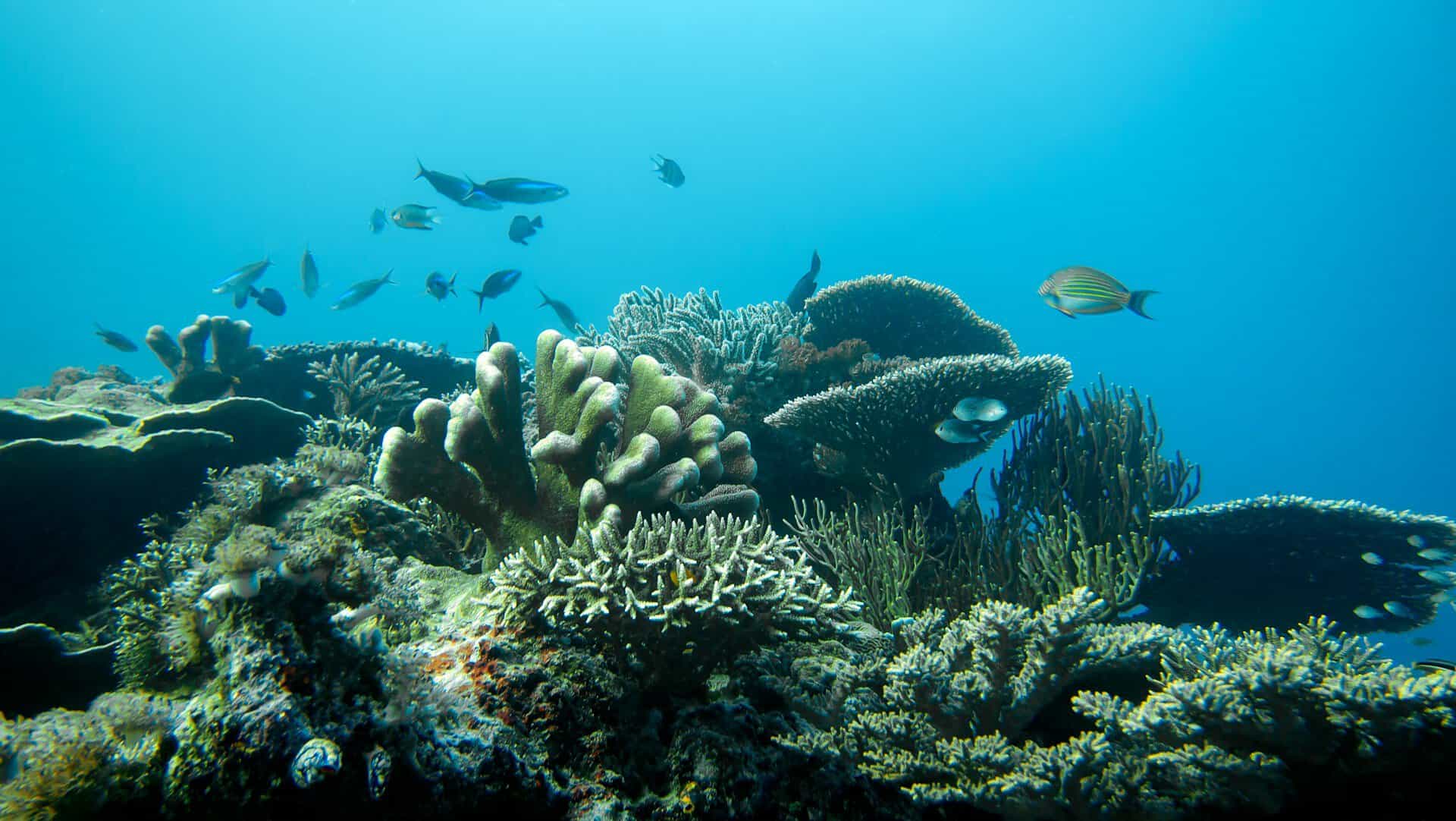
Raising Coral also nurtures resilient fragments in custom ocean nurseries, carefully tending them until they are ready for their permanent homes. Workers anchor young colonies onto specialized frames that shield them from ocean floor sediment while welcoming vibrant schools of reef fish.
Between 2026 and 2029, this collaborative partnership will cultivate and transplant 4,000 thriving corals across southern Costa Rica. Frequent digital scans already demonstrate that these transplanted gardens are successfully taking hold and breathing new energy into the coastline.
The Ripple Effect
By proving that accessible consumer technology can replace costly scientific gear, this project democratizes marine conservation for coastal communities worldwide. Local divers and budding researchers everywhere can now step forward as frontline protectors of their own marine paradises.
With every smartphone dive, Costa Rica proves that protecting our blue planet can easily fit in the palm of our hands.
Based on reporting by Tico Times Costa Rica
Play Today’s BrightWire Positive Mini Crossword & Word Game
Keep your mind sharp with our free 5-minute uplifting daily crossword and positivity word puzzle.
Spread the positivity!
Share this good news with someone who needs it