Crete Plants Hundreds of Trees to Fight Desertification
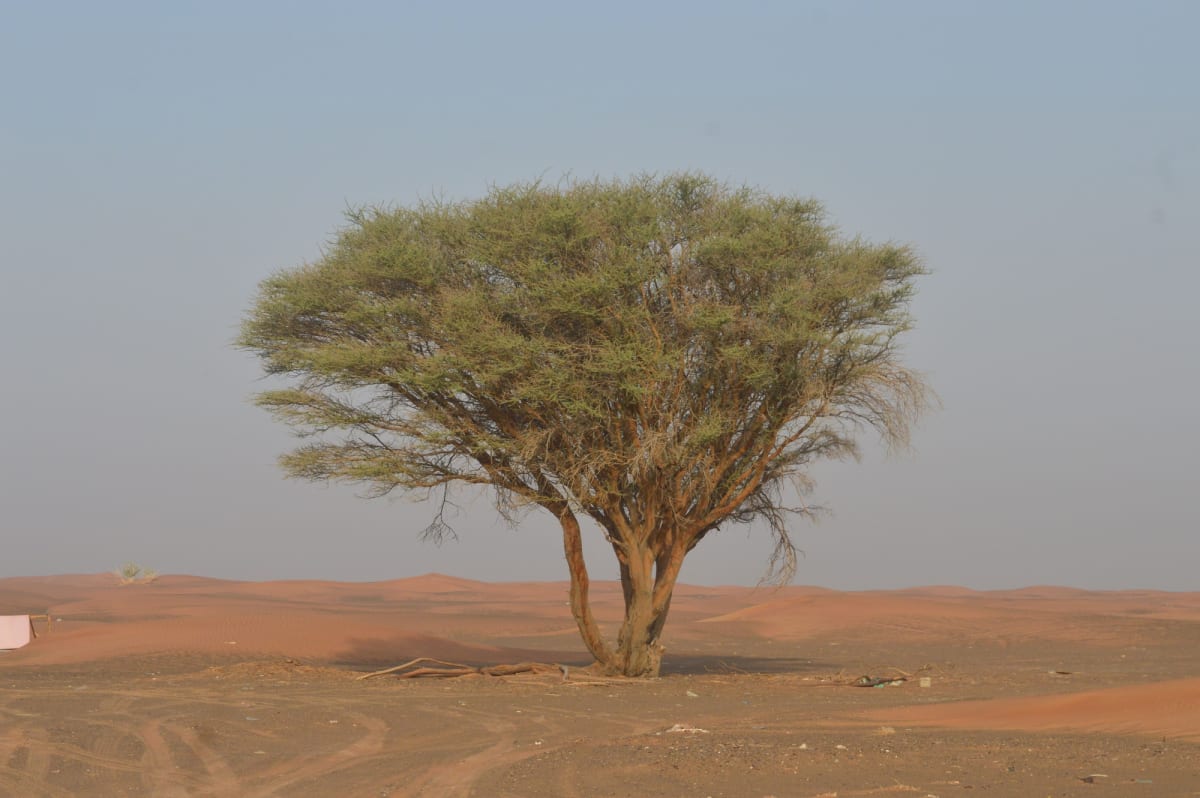
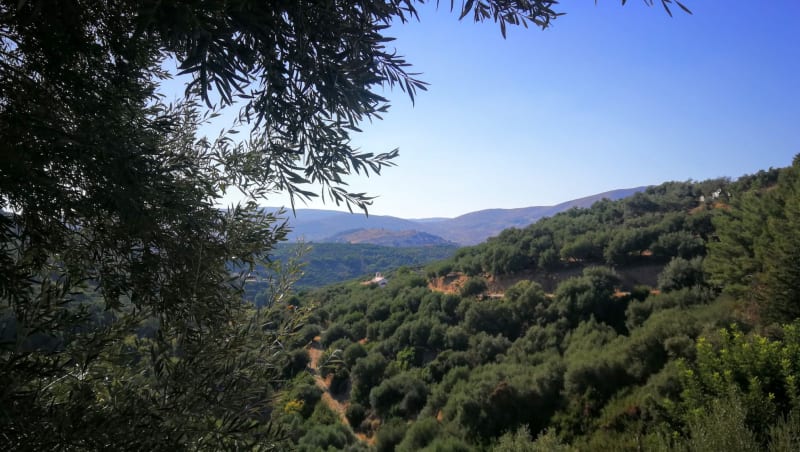
The Greek island of Crete is launching a major reforestation project in the drought-stressed Asterousia Mountains, planting hundreds of native trees to combat rising temperatures and declining rainfall. The effort aims to restore one of southern Europe's most vulnerable landscapes while supporting local ecosystems and water supplies.
Southern Crete is fighting back against desertification with one of Greece's most ambitious tree-planting initiatives in years.
The Region of Crete has launched a large-scale reforestation plan for the Asterousia Mountains, partnering with local municipalities and environmental authorities to plant hundreds of native trees and shrubs across the fragile mountain range. Deputy Regional Governor Giannis Anastasakis is coordinating the effort, which has already secured partial funding from Greece's Organisation for Natural Environment and Climate Change.
The project targets a landscape under serious stress. Climate data shows the region facing steadily declining rainfall alongside rising maximum temperatures, creating conditions that threaten local ecosystems and groundwater supplies.
Officials are selecting tree species carefully, choosing plants native to Crete or well-adapted to hot, dry conditions that need minimal irrigation. These hardy species can survive the changing climate while strengthening the landscape's natural defenses against further degradation.
The Asterousia plan connects to the European Union's broader commitment to plant three billion trees by 2030 as part of the European Green Deal. That continent-wide effort aims to help forests, farms, and communities adapt to climate change.
The Ripple Effect
The benefits reach beyond simply adding greenery to barren slopes. The new forests will stabilize soils that currently wash away during storms, reducing erosion that damages farmland and infrastructure below.
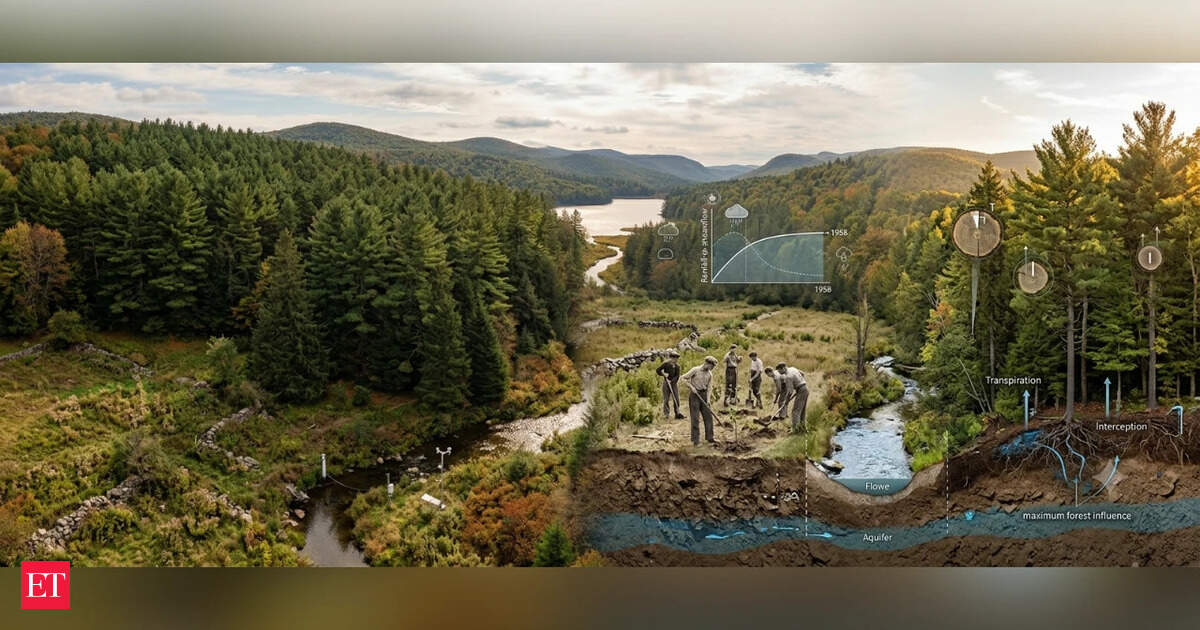
The trees will also act as natural barriers against flash flooding, a growing concern as rainfall patterns become more unpredictable. Their roots will help water soak into the ground rather than rushing downhill, gradually replenishing underground water reserves that local communities depend on.
Wildlife will benefit too, as the restored forest provides habitat in an increasingly stressed environment. Biodiversity in the Asterousia range has declined as conditions have become harsher, and the new vegetation offers a lifeline for struggling species.
Regional authorities emphasize this isn't just symbolic environmental action. The reforestation plan responds directly to measured climate trends already reshaping Crete's future, using science-based projections to guide planting decisions.
Greece joins a growing number of Mediterranean regions taking concrete action against desertification as the climate shifts. What starts in the Asterousia Mountains could become a model for protecting other vulnerable landscapes across southern Europe.
More Images

Based on reporting by Google News - Reforestation
This story was written by BrightWire based on verified news reports.
Spread the positivity!
Share this good news with someone who needs it