CU Researcher Finds New Treatment for Ultra-Rare Disease
A Colorado scientist's decade of detective work just gave hope to families battling Blau syndrome, a genetic disease affecting fewer than 1,000 Americans. Two patients are already seeing remarkable results.
After 15 years of watching her daughter battle chronic pain and inflammation with no real relief, Erica Howell finally heard the words she'd been waiting for. A researcher at the University of Colorado Anschutz had a new idea that might actually work.
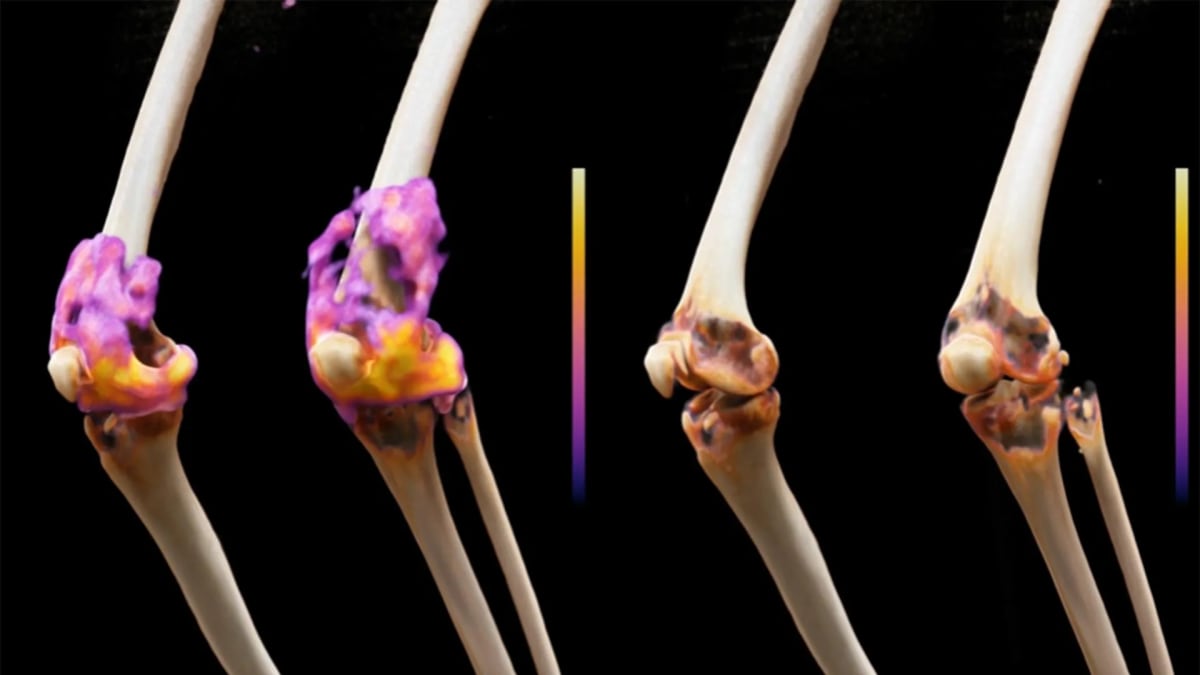
Her daughter has Blau syndrome, a rare genetic disease that affects fewer than one in a million children. It causes severe arthritis, eye inflammation, and skin problems starting in early childhood, with no known cure.
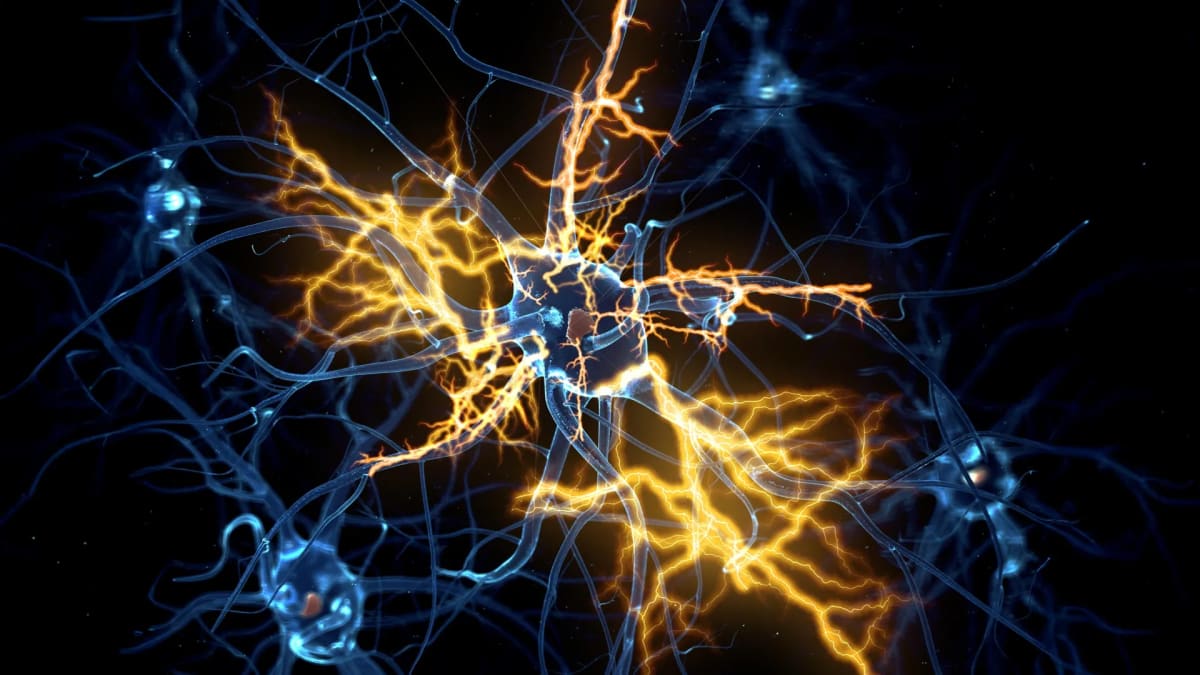
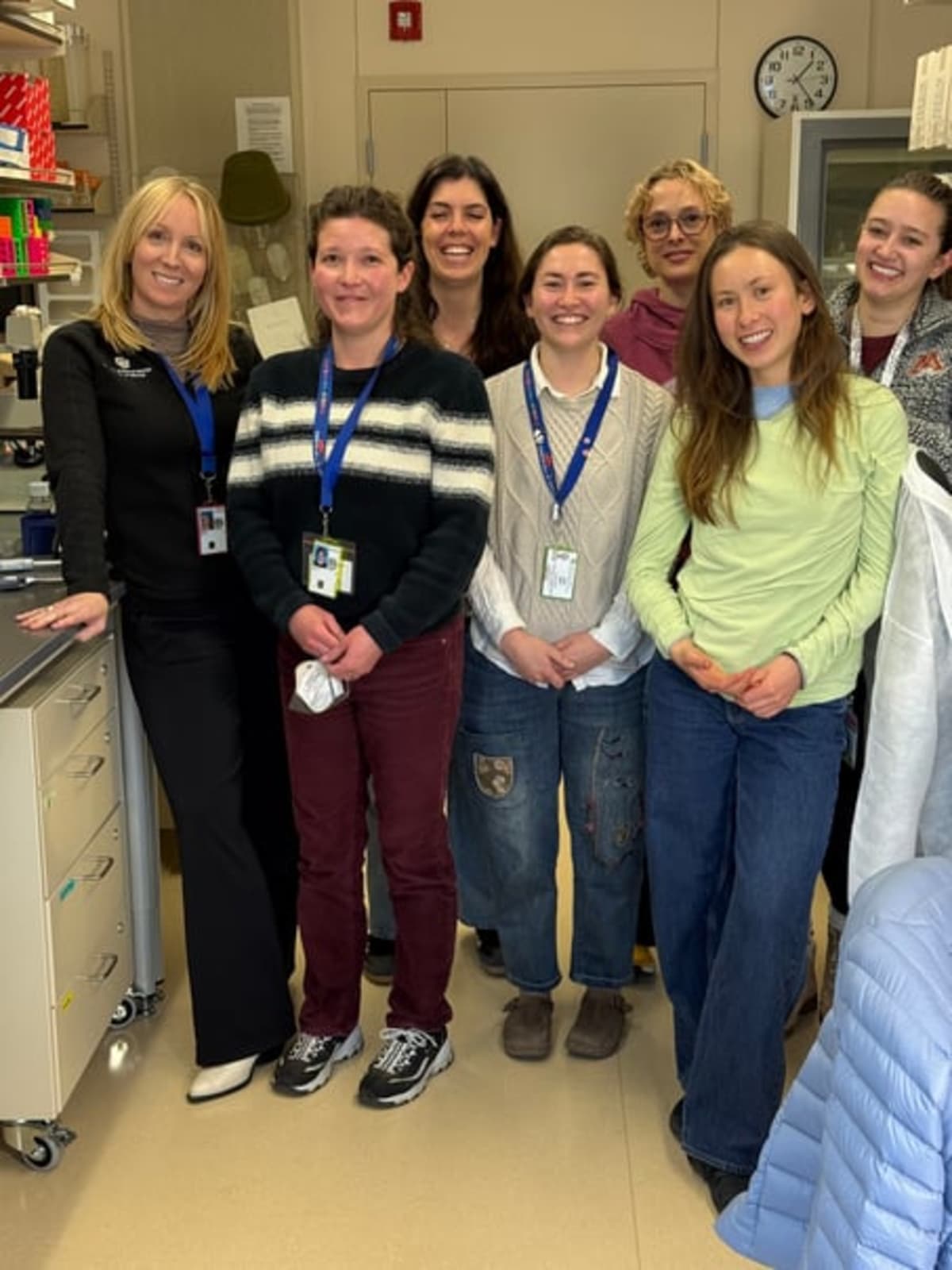
Dr. Ruth Napier, a rheumatology researcher who jokingly calls herself a "mouse doctor" because of her 300 lab mice, spent years unraveling a medical mystery. She discovered that a gene called NOD2, long thought to only activate the immune system, actually plays a dual role. It also acts as a brake, keeping the immune system from attacking the body.
This breakthrough came from years of studying blood samples that didn't match existing theories. With help from PhD student Leah Huey, Napier realized the gene works like a volume dial for the immune system, turning inflammation up or down as needed.
When patients with Blau syndrome connected with Napier through social media, she became singularly focused on helping them. She identified an existing drug used for psoriasis that might address their specific immune system problem.
Two patients agreed to try it. Within two weeks, Howell's teenage daughter was functioning significantly better. The second patient, an adult woman severely limited by the disease, has shown even more dramatic improvement lasting months.
Howell admits the decision to try something new was scary after so many failed treatments. But working closely with Napier and her daughter's rheumatologist, they created a careful plan that added the new drug without abandoning existing therapies.
The Ripple Effect
What started as a mission to help a handful of patients could transform treatment for millions. The insights Napier gained about NOD2's role as a master regulator of the immune system may unlock new approaches for many autoimmune conditions, from Crohn's disease to rheumatoid arthritis.
The challenge has been funding, since rare disease research struggles to compete for grants. But Napier is now able to pitch her work differently, focusing on how understanding genes like NOD2 could benefit multiple conditions affecting far more people.
For families like the Howells, who've supported Napier's research through the Cure Blau Foundation, the personal commitment matters just as much as the science. "She truly wants to understand their experience," Howell says.
After years of dead ends and broken promises, hope is finally backed by real results.
Based on reporting by Google News - New Treatment
This story was written by BrightWire based on verified news reports.
Spread the positivity!
Share this good news with someone who needs it