Duke Scientists "Recharge" Nerves to Stop Chronic Pain
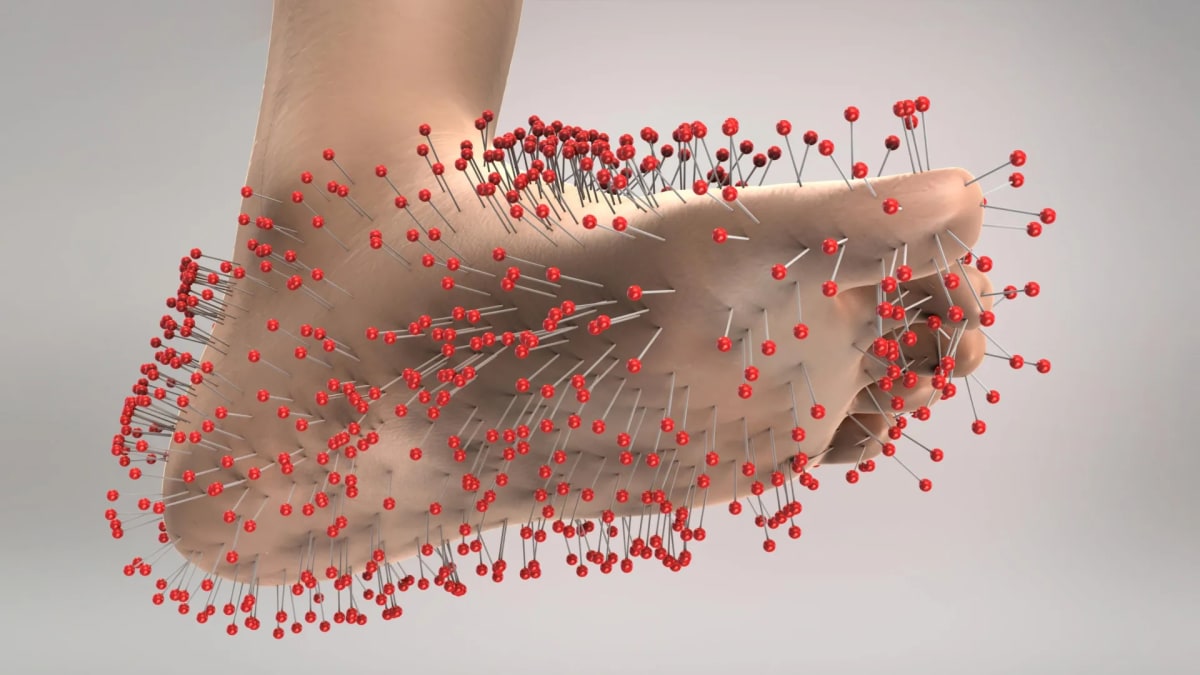
Millions endure chronic nerve pain so severe that even a gentle touch feels unbearable. Duke University researchers discovered a way to ease that suffering by restoring the tiny energy factories inside damaged nerve cells.
For people living with diabetic neuropathy or nerve damage from chemotherapy, everyday moments can bring excruciating pain. Now scientists at Duke University have found a surprisingly simple solution: give damaged nerves fresh energy.
The breakthrough centers on mitochondria, the microscopic powerhouses that fuel every cell in your body. When these tiny structures fail inside nerve cells, chronic pain can follow.
Duke researchers discovered that special support cells called satellite glial cells naturally share their healthy mitochondria with struggling neurons. They pass these energy factories through incredibly thin tunnels connecting the cells, like neighbors sharing electricity during a blackout.
When this sharing process breaks down, nerve fibers deteriorate and pain sets in. The team tested whether boosting this natural transfer could help, and the results surprised even them.
In both human tissue samples and mouse studies, restoring healthy mitochondria significantly reduced nerve pain. Some mice showed 50% less pain behavior. The relief lasted up to 48 hours.
The researchers also tried directly injecting healthy mitochondria into clusters of sensory nerve cells. It worked, but only when the donor mitochondria came from healthy sources. Mitochondria from diabetes patients produced no benefit, suggesting quality matters as much as quantity.
Dr. Ru-Rong Ji, who directs Duke's Center for Translational Pain Medicine, explains the approach differently than traditional pain medication. "By giving damaged nerves fresh mitochondria, or helping them make more of their own, we can reduce inflammation and support healing," he said.
The team identified a protein called MYO10 as essential for creating the tunneling structures that let mitochondria move between cells. Understanding this mechanism could eventually lead to treatments that encourage the body's natural sharing process.
Why This Inspires
This discovery matters because it addresses pain at its root cause rather than just masking symptoms. Current treatments often leave patients choosing between inadequate relief and unwanted side effects.
The approach taps into something your body already knows how to do. Cells have been sharing mitochondria all along as a natural support system. Scientists are now learning to amplify that healing process.
More research lies ahead, including detailed imaging to watch exactly how the process unfolds in living tissue. But for millions managing chronic nerve pain every day, this work offers something precious: genuine hope for relief.
The future of pain treatment might not involve blocking signals, but instead recharging the very cells that hurt.
Based on reporting by Health Daily
This story was written by BrightWire based on verified news reports.
Spread the positivity!
Share this good news with someone who needs it