.png)
CU Researcher's Discovery Brings Hope to Rare Disease Kids
A Colorado scientist's breakthrough research is transforming treatment for children with a devastating rare disease, bringing relief after years of pain. Two patients are already showing remarkable improvement from a new therapy approach.
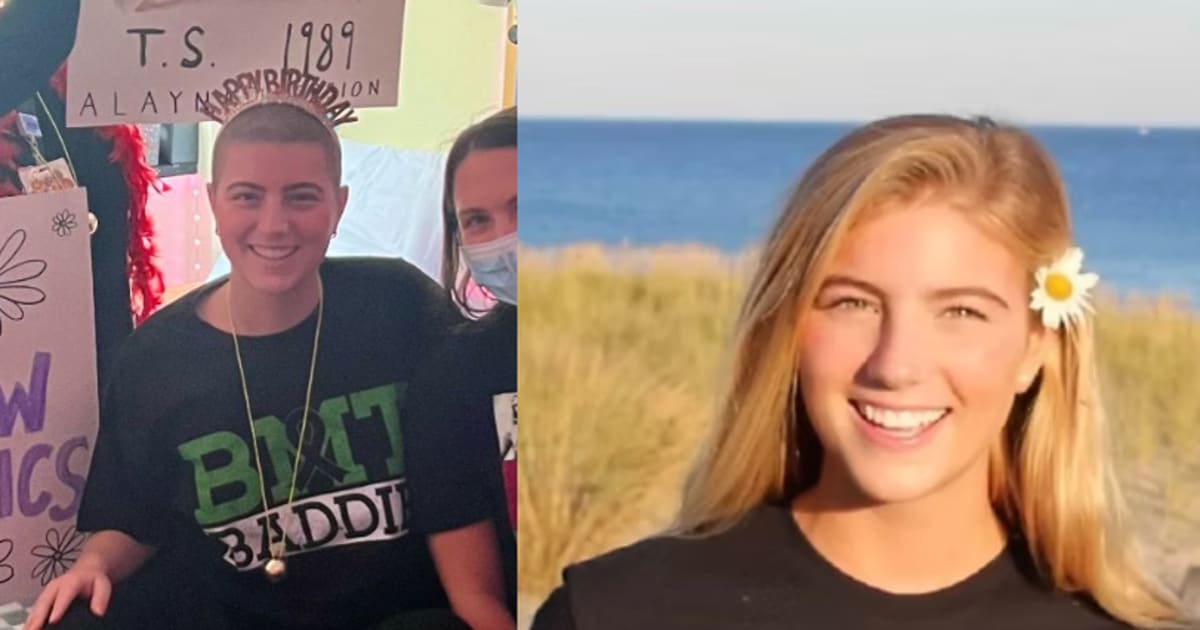
After watching her daughter endure years of painful arthritis and eye inflammation from a rare genetic condition, Erica Howell finally has reason for hope. Within just two weeks of trying a new treatment approach, her teenage daughter was functioning significantly better.
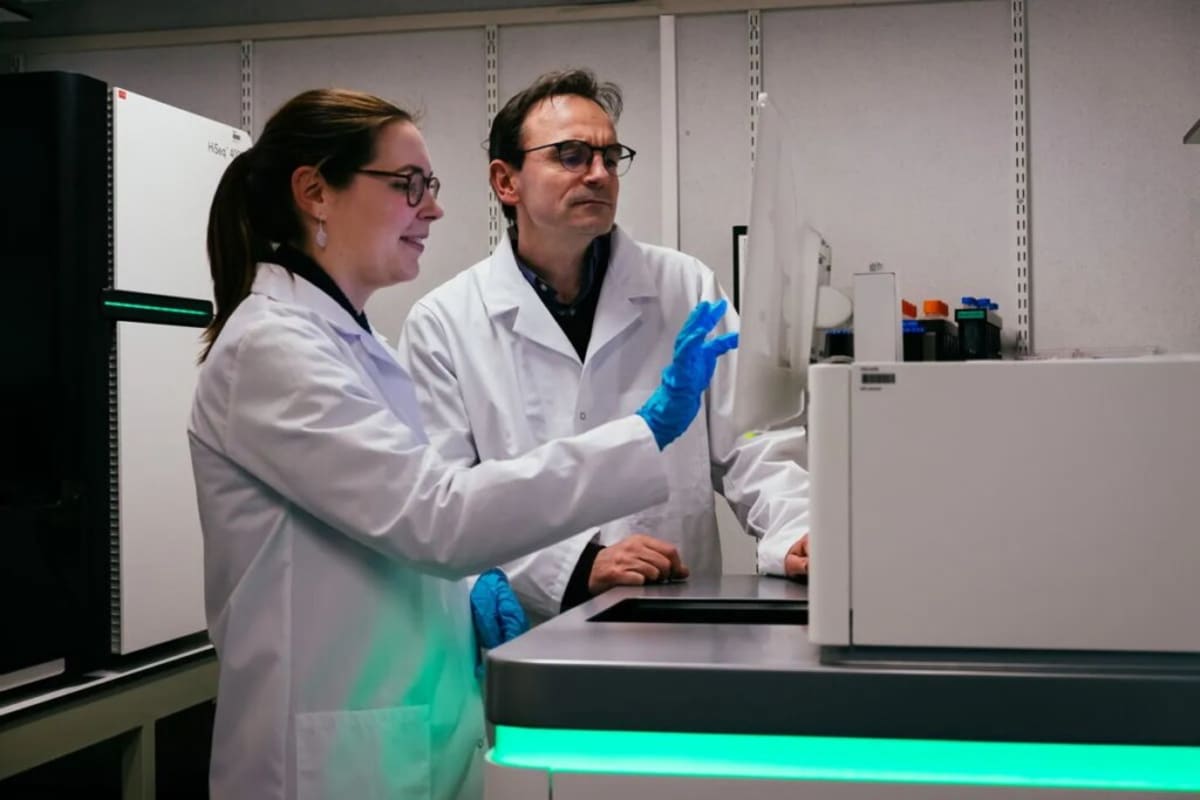
The breakthrough comes from Ruth Napier, a researcher at the University of Colorado Anschutz who has spent years studying Blau syndrome. This rare genetic disease affects fewer than 1,000 people in the United States, causing inflammation in the skin, joints, and eyes that starts in childhood.
Napier, who playfully calls herself a "mouse doctor" because she works primarily with 300 lab mice, made a discovery that could change everything. She found that a gene called NOD2 doesn't just activate the immune system like scientists previously thought. It also acts as a brake, preventing the immune system from going into overdrive.
For children with Blau syndrome, a mutation in this gene means their bodies can't properly regulate inflammation. Napier realized that an existing drug used for psoriasis might help control the specific molecules causing problems in Blau patients.
The decision to try the new approach wasn't easy for the Howell family. "She's been through so much in the past 15 years," Howell explains about her daughter, who had tried countless treatments with limited success. But working closely with Napier and their rheumatologist, they developed a plan to add the new treatment alongside existing medications.
The results exceeded their hopes. A second patient, an adult woman severely limited by the disease, has shown even more dramatic improvement that has lasted for months.
Why This Inspires
Napier's research started when one of her social media posts about NOD2 reached a friend of someone with Blau syndrome. That connection sparked what she calls a "singular focus" that she couldn't let go. Despite the challenges of securing funding for rare disease research, she kept pushing forward.
Now her work is revealing insights that could help millions. The same gene she's studying in Blau syndrome patients plays a role in many other autoimmune conditions. By understanding how NOD2 acts as a master regulator of the immune system, researchers may unlock new treatments for countless people whose bodies attack themselves.
What makes Napier's approach special is her partnership with patients. As executive director of the Cure Blau Foundation, Howell has worked with Napier for years and says the researcher genuinely wants to understand patients' lived experiences. "She's so committed to finding practical knowledge that's going to help patients now," Howell says.
Napier credits her patients with keeping her motivated through the toughest moments. When she felt lost in her research, connecting with families reminded her why the work matters.
For families like the Howells, this research represents more than scientific progress—it's the first real relief their children have experienced in years.
Based on reporting by Google News - New Treatment
This story was written by BrightWire based on verified news reports.
Spread the positivity!
Share this good news with someone who needs it