Cuba's Solar Tricycles Replace Buses During Fuel Crisis
When Cuba's worst fuel crisis in years cut bus routes and left people stranded, thousands of electric tricycles filled Havana's streets. Now owners are adding solar panels so they can run even when the power grid fails.
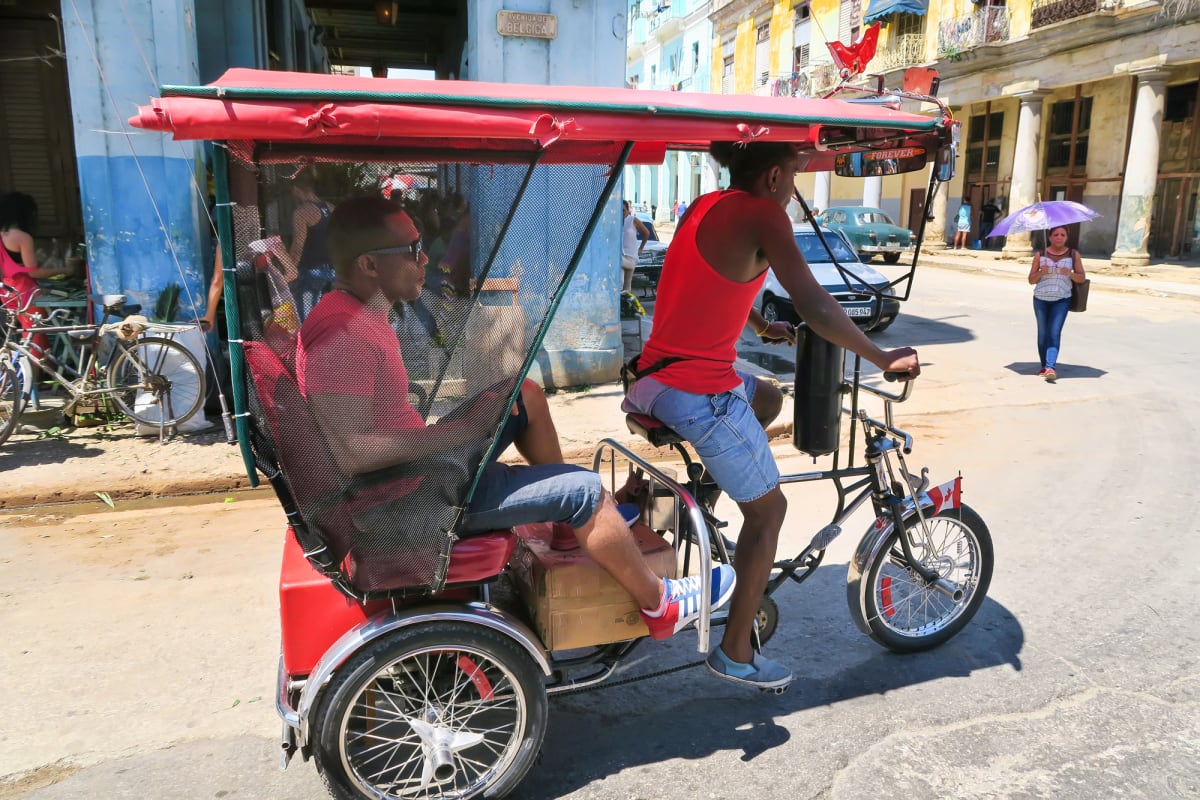
Havana's streets used to rumble with vintage 1950s American cars belching black smoke. Now they hum with electric tricycles topped with solar panels, and the transformation happened in just months.
Cuba hit its worst fuel crisis in years when oil tanker arrivals dropped from eight per month to just one. The U.S. threatened tariffs on countries selling petroleum to Cuba, and suddenly an island that already produces only 40 percent of its own fuel had almost nothing left. Rolling blackouts worsened, bus routes disappeared, and people couldn't get to work or buy food.
Enter the electric tricycle. Most are Chinese-made brands like Zonsen and Jinpeng, costing between $2,000 and $4,000. That's impossibly expensive in a country where state workers earn around $10 a month and private sector employees make roughly $40, but Cubans found ways.
Some sold their old gasoline cars to buy tricycles. Others received them from relatives abroad or invested small business profits, betting the vehicles would pay for themselves. They were right.
The tricycles now run the bus routes that vanished. They haul produce to market, collect garbage in neighborhoods, and ferry passengers who flag them down for rides costing less than a dollar. It's a real expense when your monthly wage might be $40, but it beats walking miles in the heat.
The Ripple Effect
The most remarkable adaptation came next. Owners started installing solar panels on the awnings over passenger seats, letting the tricycles recharge while parked or moving instead of depending on a power grid that fails regularly. The modification costs about $500, but it pays off fast.
"There are so many tricycles in Havana that you can't spend 10 minutes on a street without seeing countless numbers of them pass by," said Carlos Álvarez, a 29-year-old engineer who runs a workshop specializing in electric vehicles. He was fitting a solar panel mounting bracket when he said it.
This is the same ingenuity that kept those 1950s Buicks running through decades of embargo. Get what you can, adapt it to what you have, keep it running. The technology changed but the spirit didn't.
For many owners, these aren't emergency measures anymore. Ricardo Quintero, an engineer who hauls produce to his family's vegetable stand, put it simply: "I think this is here to stay."
The routes, repair shops, and solar modifications have woven themselves into how the city functions. Even if fuel became available tomorrow, the infrastructure built around these vehicles wouldn't vanish overnight.
The vintage cars that symbolized Cuba for decades have mostly disappeared from Havana's streets, replaced by vehicles that run on sunlight and move without smoke.
Based on reporting by Optimist Daily
This story was written by BrightWire based on verified news reports.
Spread the positivity!
Share this good news with someone who needs it