Cutting Vines Speeds Forest Recovery 3x in Borneo
Scientists in Borneo discovered that simply cutting back invasive vines helps logged forests grow three times faster than replanting trees alone. This simple, cost-effective method could transform how we restore tropical forests worldwide.
Researchers in Borneo just found a surprisingly simple way to help damaged rainforests bounce back faster than anyone expected.
By cutting back woody vines called lianas, scientists tripled the speed of forest recovery in areas that had been logged decades ago. The forests grew an extra 11 inches taller each year compared to forests where workers only planted new tree saplings.
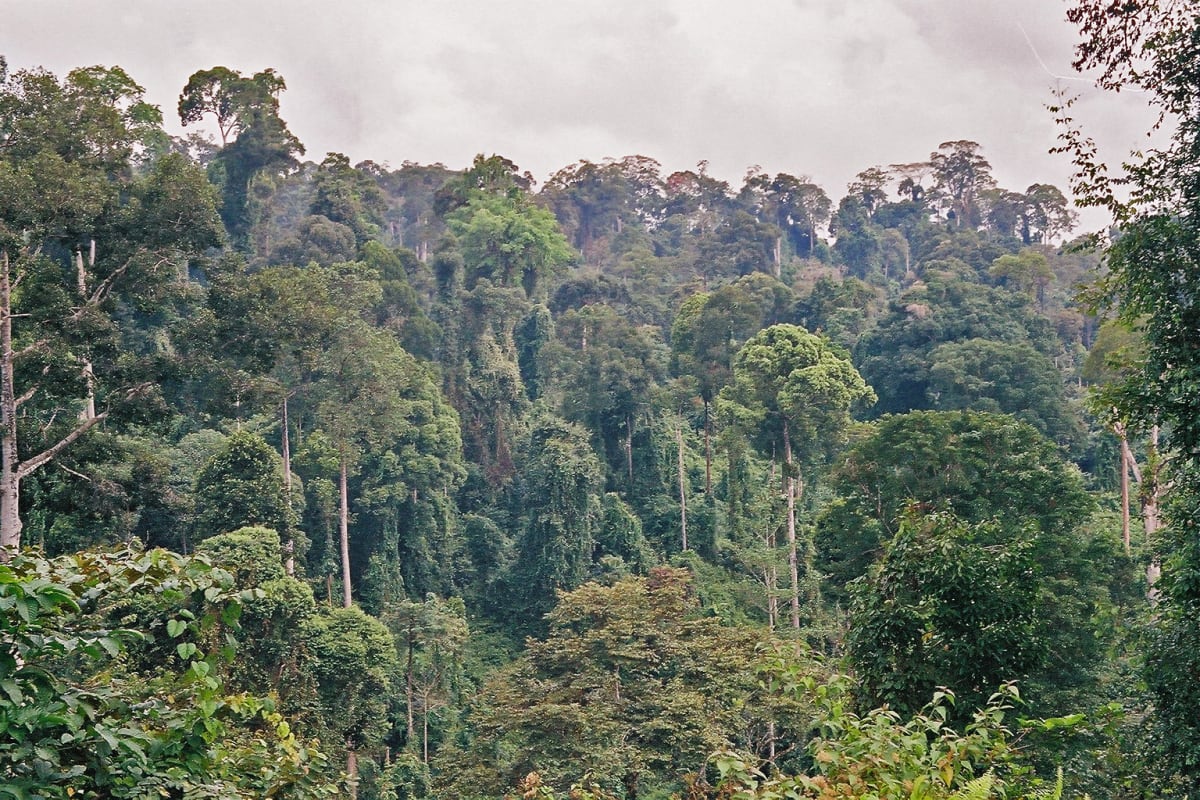
The discovery happened in Malaysian Borneo, where researchers studied 1,240 acres of tropical forest that was logged in the 1980s. These forests had been slowly recovering but remained shorter and less vibrant than nearby untouched wilderness.
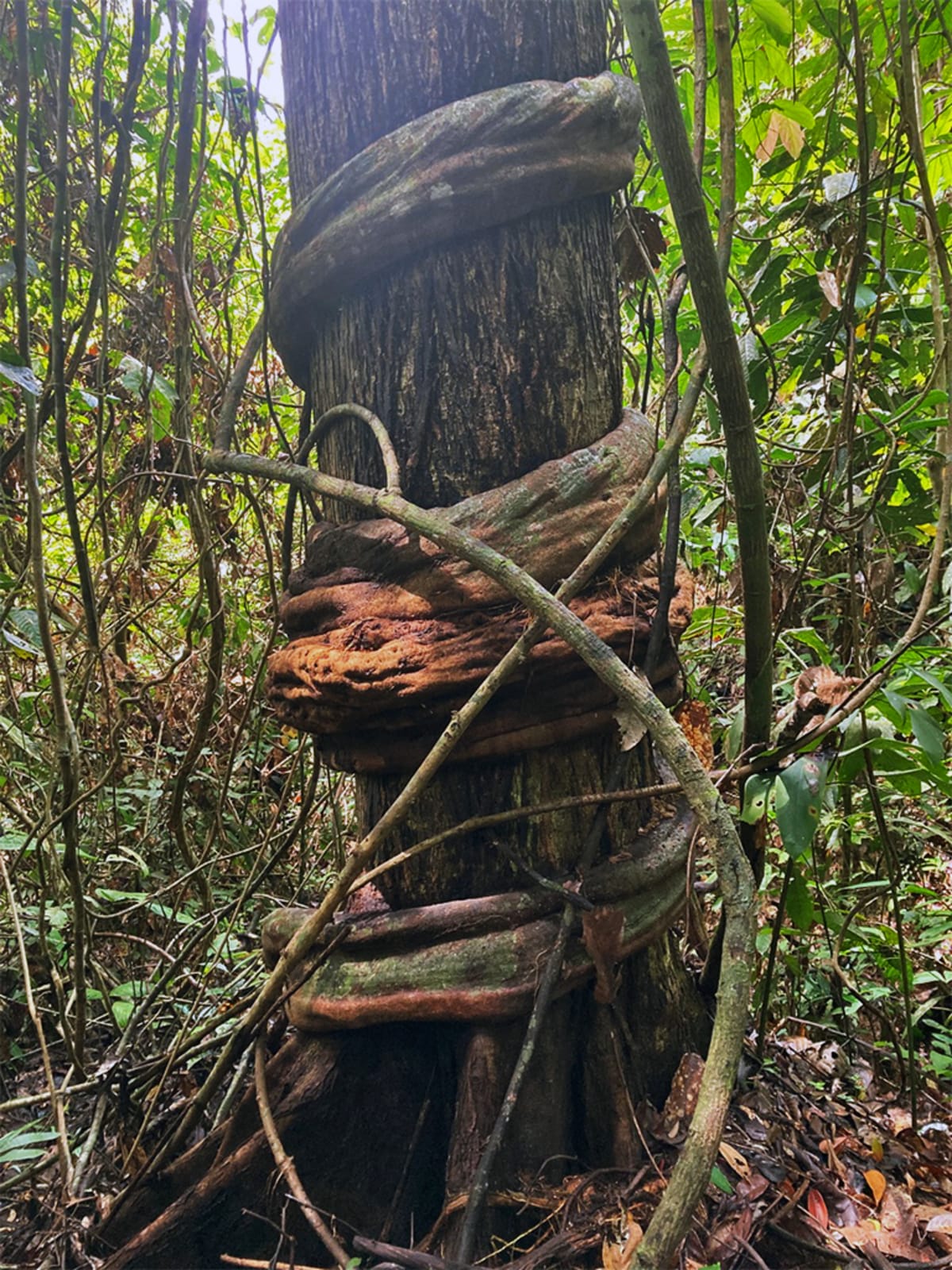
Lianas are natural parts of healthy rainforests, creating vine bridges between trees and providing flowers and fruit for wildlife. But in damaged forests with lots of sunlight gaps, these vines can take over like aggressive neighbors, choking out young trees as they race toward the sun.
The research team tried two different approaches. In some areas, they planted nursery-grown saplings of towering dipterocarp trees, which can reach 330 feet tall and are prized by loggers. In other sections, they did the same planting but also cut back all the lianas.
Using laser mapping technology called lidar, the scientists captured incredibly detailed 3D pictures of the forests in 2013 and 2020. The before-and-after images revealed dramatic differences.
Forests freed from their vine burden developed taller, denser canopies and stored carbon three times faster than areas with only tree planting. Even better, fewer trees died in the vine-free zones.
The results surprised lead researcher Toby Jackson from the University of Bristol. "This could be a good way, and a reasonably cost-effective way, to go in and restore selectively logged forests," he told reporters.
The Ripple Effect
This breakthrough matters far beyond Borneo. Southeast Asia's tropical forests face ongoing logging pressure, and restoration efforts have struggled to recreate the towering canopies that once dominated the region.
Traditional restoration focused heavily on planting new trees, which takes decades to show results. Meanwhile, the forests remained stunted and stored less carbon than they could.
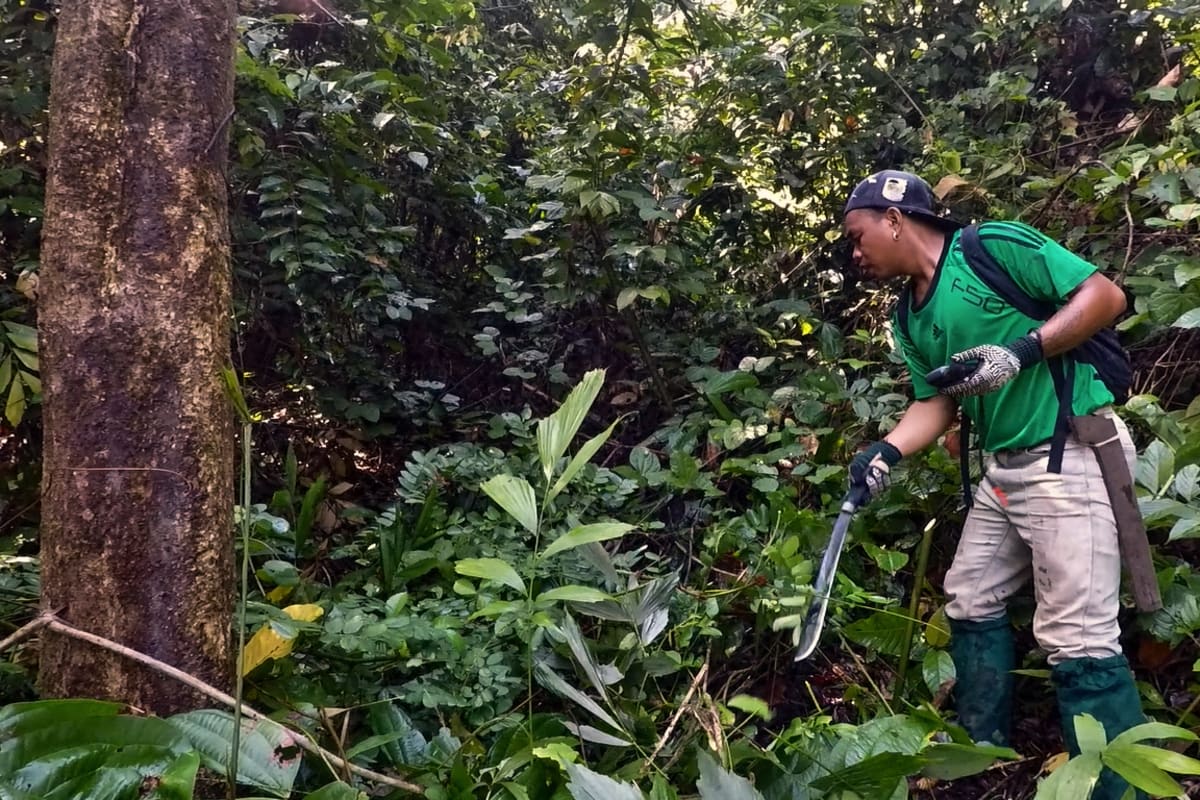
Now forest managers have a powerful new tool that works faster and costs less than planting alone. Cutting vines doesn't require expensive equipment or rare expertise, just workers with machetes and knowledge of which vines to cut.
The method could accelerate carbon storage across millions of acres of recovering tropical forest, helping fight climate change while restoring habitat for endangered wildlife like orangutans and pygmy elephants.
Other researchers worldwide are now exploring similar vine-cutting techniques in Latin America and Africa, building on this success to help forests everywhere grow back stronger and faster than before.
More Images


Based on reporting by Mongabay
This story was written by BrightWire based on verified news reports.
Spread the positivity!
Share this good news with someone who needs it