Dad With Spinal Stenosis Hikes Grand Canyon With Exoskeleton
A 50-year-old father who normally needs a cane for long walks tested a new $1,999 exoskeleton device while hiking the Grand Canyon with his teenage daughter. The lightweight robotic legs didn't turn him into a superhero, but they helped extend his endurance on terrain he couldn't typically manage.
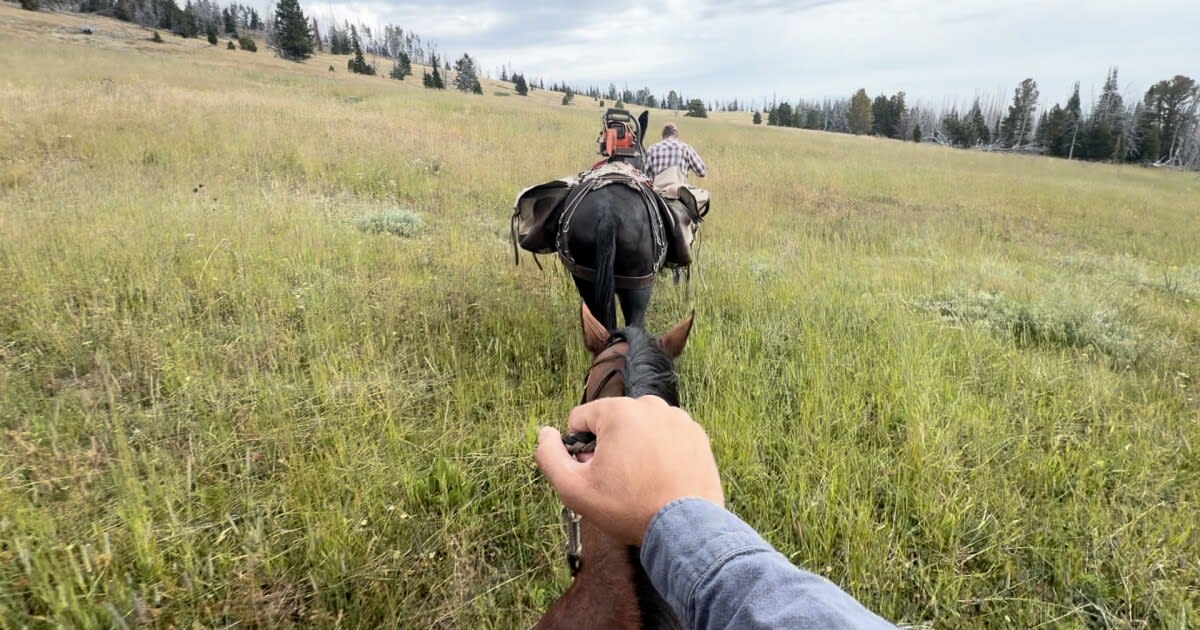
A father who lives with spinal stenosis just hiked the Grand Canyon without his cane, thanks to a new wearable exoskeleton that's making the outdoors accessible to people who thought those days were behind them.
Adam Doud, a 50-year-old journalist who typically walks with a cane for anything beyond 5,000 steps, strapped on the Hypershell X Ultra S exoskeleton to see if he could keep up with his 15-year-old varsity soccer player daughter on the trails. The answer surprised him.
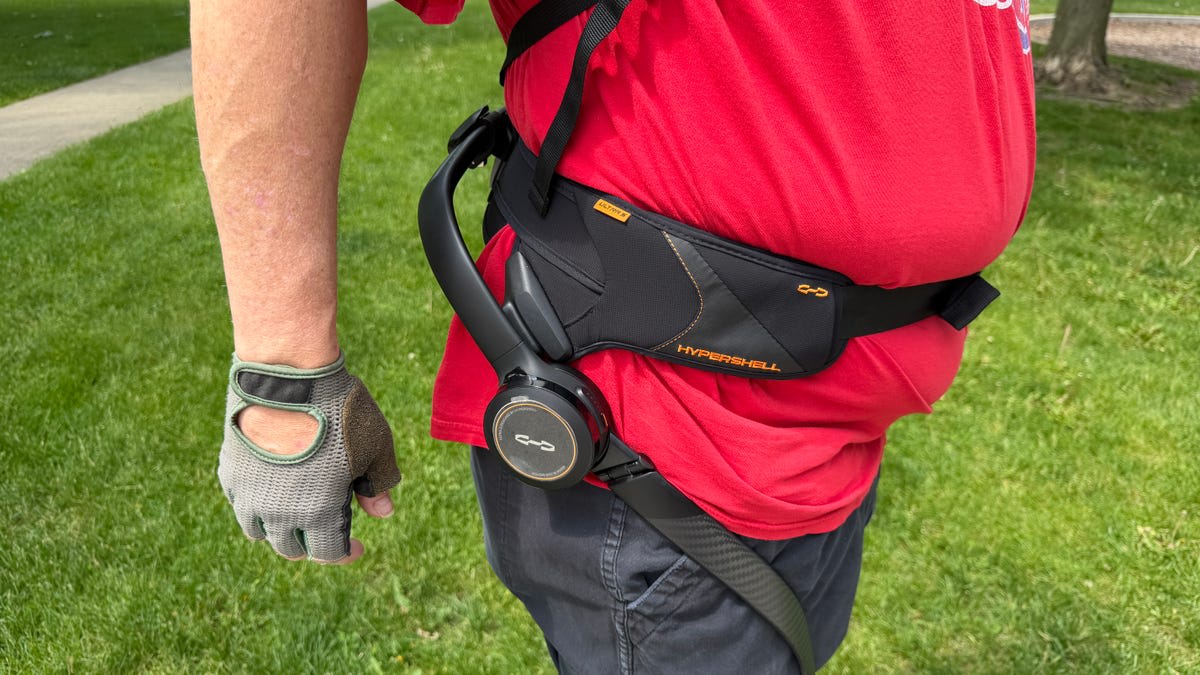
The five-pound device wraps around your waist and legs, using motors at each hip to assist your natural leg movements. When you lift your leg, it feels lighter, and when you push down, the machine adds extra power to help you move forward.
Hypershell's chief product officer Angus Fan was clear about what the technology can and cannot do. "The tech will be ready eventually, but for now, we have more humble aspirations of endurance extension," he explained.
The device offers different assistance levels through an app, from Eco mode for light support to Hyper mode for maximum help. It even includes a Fitness mode that adds resistance when you want to train and build strength.
One breakthrough feature called Hyperintuition automatically detects whether you're walking, biking, or climbing stairs and adjusts the assistance accordingly. You don't have to stop and switch modes manually anymore.
Doud tested it on both hiking trails and bicycle rides, finding the assistance most noticeable when pedaling. The device runs for about 18 miles on a single battery charge, and comes with a spare so you can swap them out on longer adventures.
Why This Inspires
This technology represents a shift in how we think about outdoor recreation and accessibility. For people with mobility challenges, chronic pain, or age-related limitations, exoskeletons aren't about becoming superhuman. They're about reclaiming experiences that matter, like hiking with your kids or exploring natural wonders you thought were out of reach.
The Hypershell X Ultra S launches today alongside two other models ranging from $999 to $1,999, making robotic assistance more accessible than ever before. While the price point still represents an investment, it's considerably lower than medical-grade exoskeletons that can cost tens of thousands of dollars.
Doud may not have outpaced his athlete daughter on the trail, but he made the climb without his cane and stood at the rim of one of Earth's greatest natural wonders alongside her. For families navigating the reality of aging or disability, that moment of shared adventure is priceless.
Based on reporting by Google News - Technology
This story was written by BrightWire based on verified news reports.
Spread the positivity!
Share this good news with someone who needs it