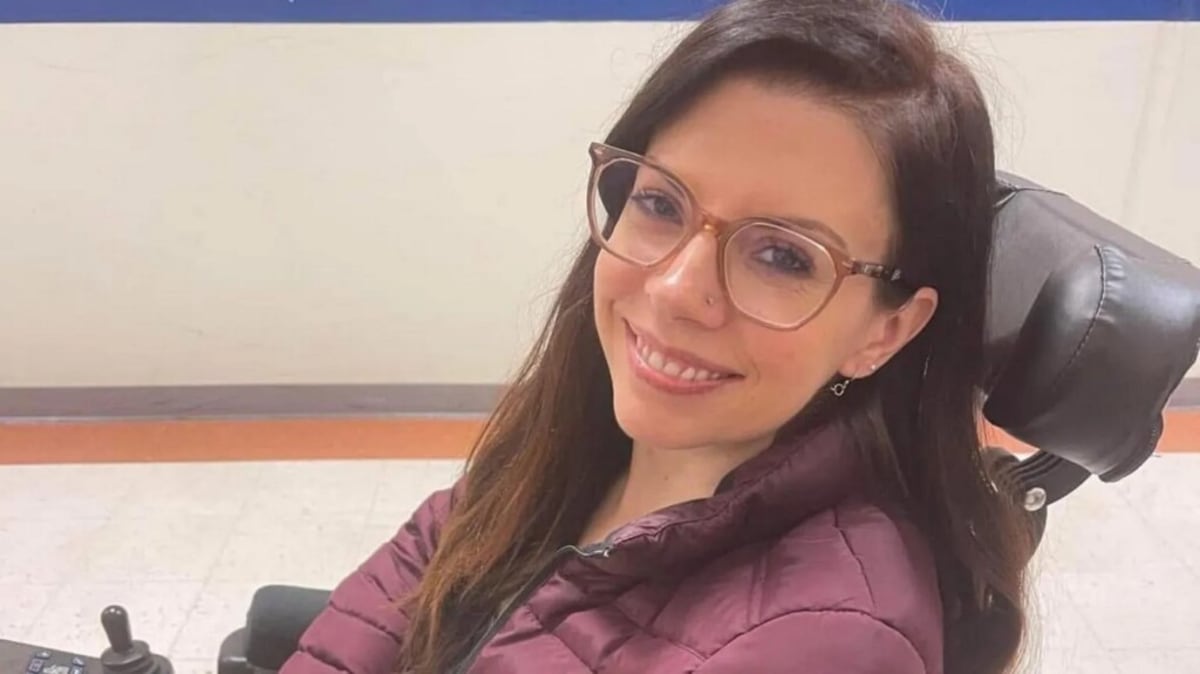
Dancer With ALS Returns to Stage Through Brain Technology
A professional dancer paralyzed by ALS performed on stage again using brain interface technology that translates her thoughts into movements through a digital avatar. The groundbreaking performance in Amsterdam marked the first time someone has danced professionally using only their mind.
📺 Watch the full story above
Breanna Olson never thought she'd dance on stage again after ALS confined her to a wheelchair. But in December, she performed at Amsterdam's OBA Theater using only her mind, controlling a digital avatar that executed every movement she imagined.
The performance became possible through Dentsu Lab's "Waves of Will" project, which developed new brain interface technology specifically for people with disabilities. An electroencephalogram headset captures Olson's brain activity and translates specific electrical signals into dance movements that appear through a mixed reality avatar on stage.
ALS, the most common form of motor neuron disease, gradually weakens nerves in the brain and spinal cord. The disease makes talking, breathing, and swallowing increasingly difficult, and there is currently no cure.
Before her diagnosis, Olson trained for years to become a professional dancer. The avatar captured everything she learned during that time, from graceful leaps to subtle emotional expressions, translating her muscle memory and artistic vision into digital performance.
Making the avatar dance requires intense concentration. Olson must imagine each movement in precise detail for the technology to translate her thoughts accurately.
Dentsu Lab partnered with data technology firm NTT to create the interface. Together, they designed a system that gives people like Olson back something precious: the ability to express themselves freely.
Why This Inspires
Olson said the experience fulfilled the project's core mission perfectly. For someone who lost the freedom to move her body the way she wanted, controlling the avatar returned a fundamental part of her identity.
"It was just a beautiful and memorable moment I will remember for the rest of my life," she told the BBC. The December performance marked the first time anyone has used brain interface technology for professional dance anywhere in the world.
The technology opens doors for other people living with paralysis or motor disabilities who want to reclaim lost abilities. What Olson imagined in her mind became reality on stage, proving that physical limitations don't have to stop creative expression.
This dancer found her way back to the spotlight, one thought at a time.
More Images



Based on reporting by Good News Network
This story was written by BrightWire based on verified news reports.
Spread the positivity!
Share this good news with someone who needs it