Danish Ballet Brings 3 Centuries of Tradition to Astana
The Royal Danish Theatre, founded in 1748, performed in Kazakhstan's capital for the first time, sharing classical ballet heritage with eager audiences. The tour included masterclasses that exposed Kazakh students to a different European ballet tradition beyond their usual Russian training.
A nearly 300-year-old European ballet company just made its first visit to Central Asia, and students there couldn't get enough.
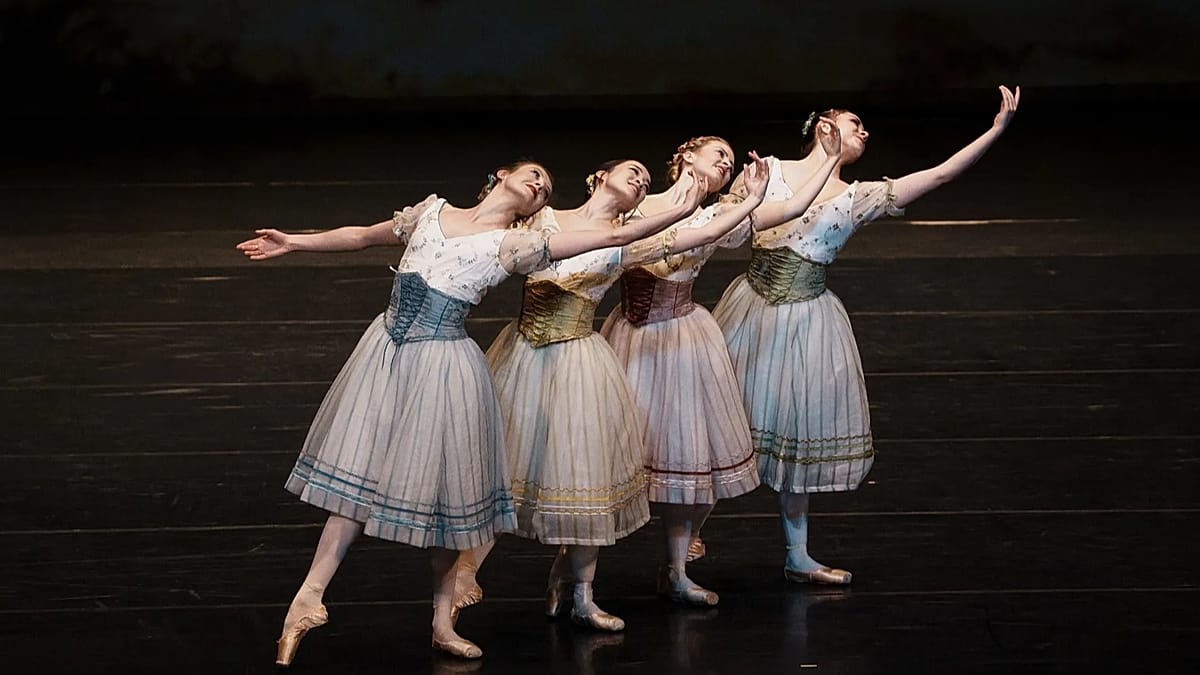
The Royal Danish Theatre brought its celebrated classical ballet tradition to Astana, Kazakhstan last week, performing a gala program that spanned centuries of choreography. Founded in 1748, the company is one of Europe's oldest and most respected performing arts institutions.
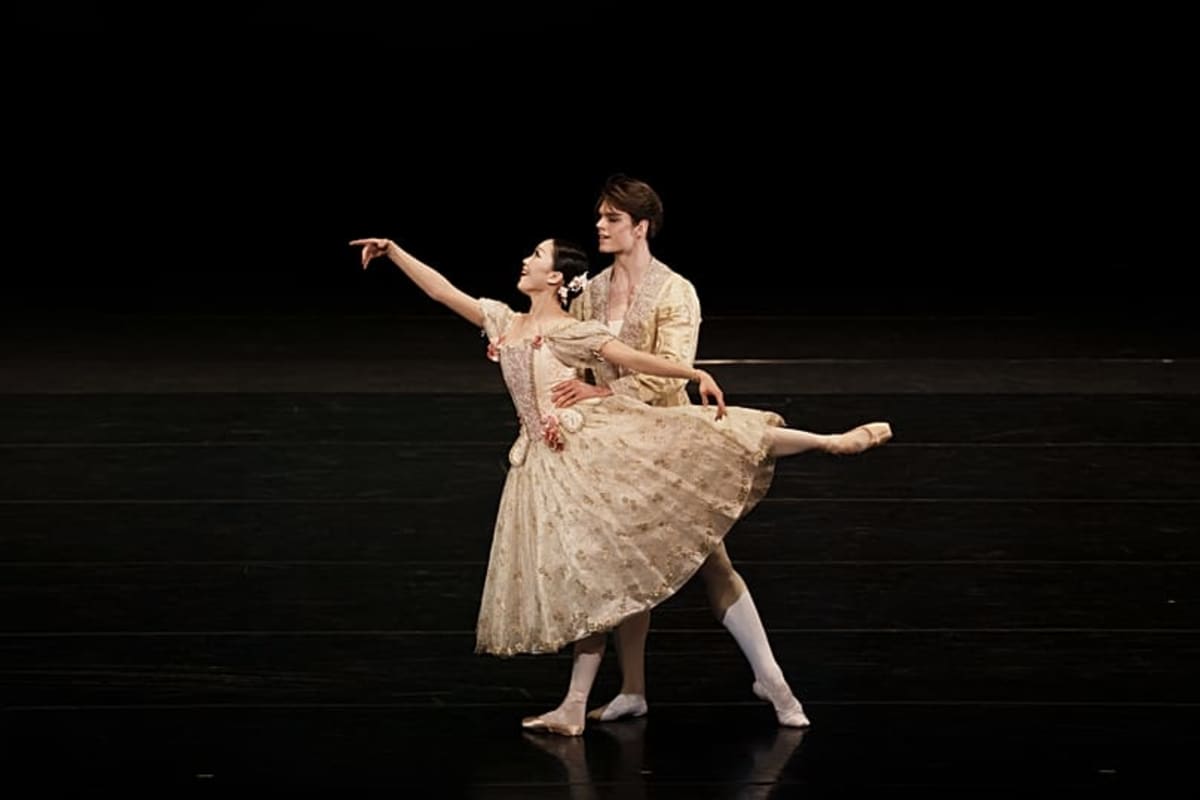
At Astana Ballet, dancers performed 10 works ranging from 19th-century classical pieces to contemporary choreography. The evening featured the Bournonville tradition, a distinctly Danish approach to classical ballet developed by choreographer August Bournonville in the 1800s.
"We brought to Astana from Denmark our most precious cultural heritage," said Royal Danish Theatre ballerina Beatriz Domingues. "It is a national treasure, which is why it is so important to present it to international audiences."
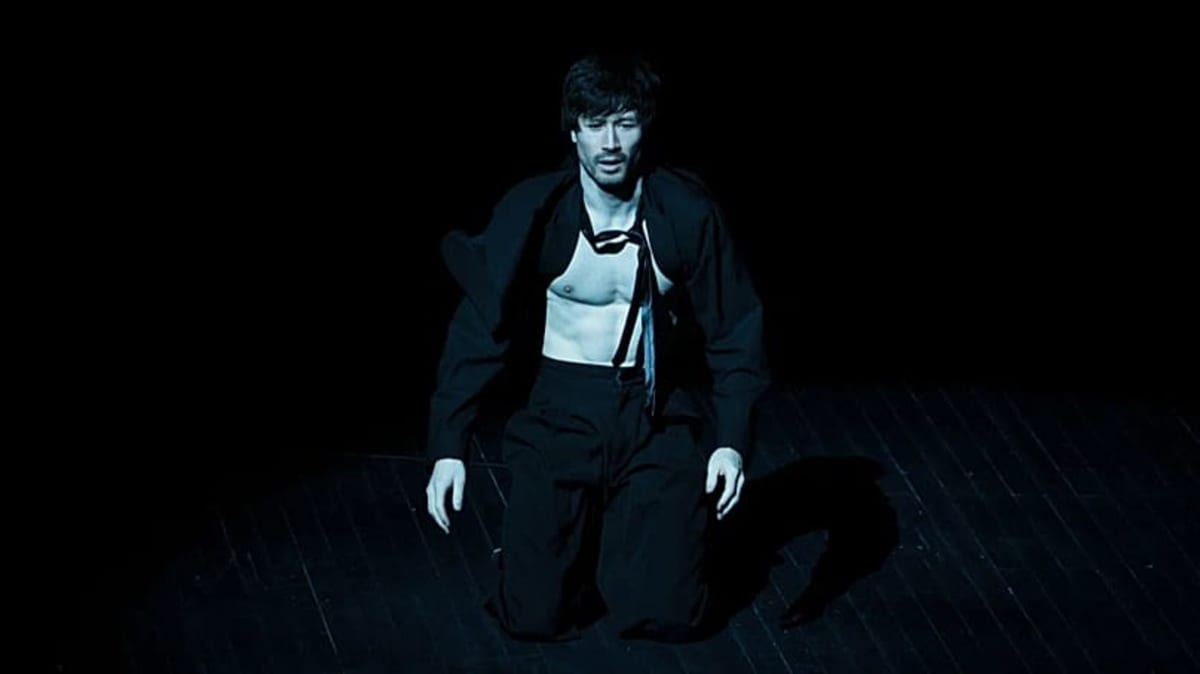
Guest artist Selene Muñoz brought a different energy, combining flamenco intensity with contemporary movement in a solo that honored her Spanish roots. Meirambek Nazargozhayev, the first Kazakh-born member of the Royal Danish Theatre, returned home to perform a solo set to Beethoven's Moonlight Sonata.
The Ripple Effect
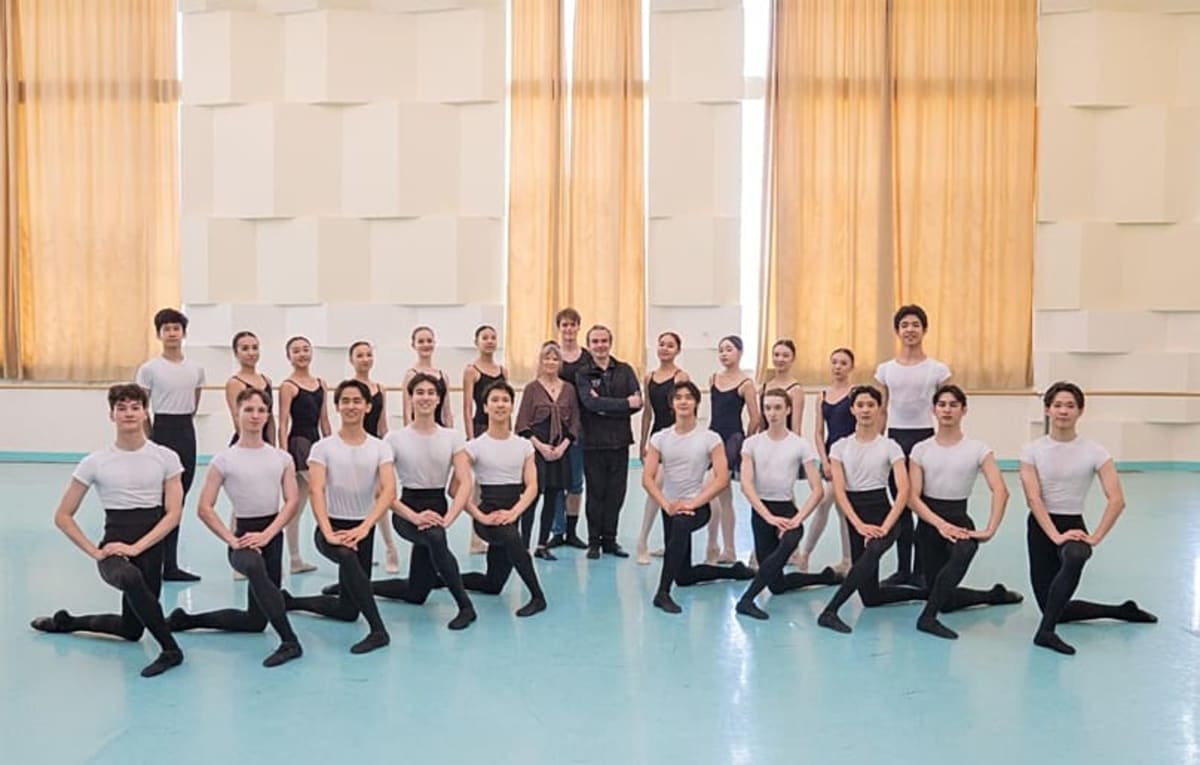
The tour extended beyond performances into something with lasting impact. At the Kazakh National Academy of Choreography, Danish dancers led masterclasses teaching the Bournonville technique to students.
For young Kazakh dancers trained primarily in the Russian ballet school, this exposure to a different European classical approach opened new artistic possibilities. Leading expert Dinna Bjorn taught students how the Danish tradition can blend with other styles, including contemporary works and even elements of the Russian school they already know.
"What makes it special is that it can be combined with other styles, and that's what I want young dancers to understand," Bjorn explained. The students now have tools from two distinct European ballet traditions to draw from as they develop their artistry.
The visit marks Astana's growing role as a cultural bridge between continents, where European companies are finding enthusiastic new audiences and sharing knowledge that will shape the next generation of dancers.
More Images

Based on reporting by Euronews
This story was written by BrightWire based on verified news reports.
Spread the positivity!
Share this good news with someone who needs it